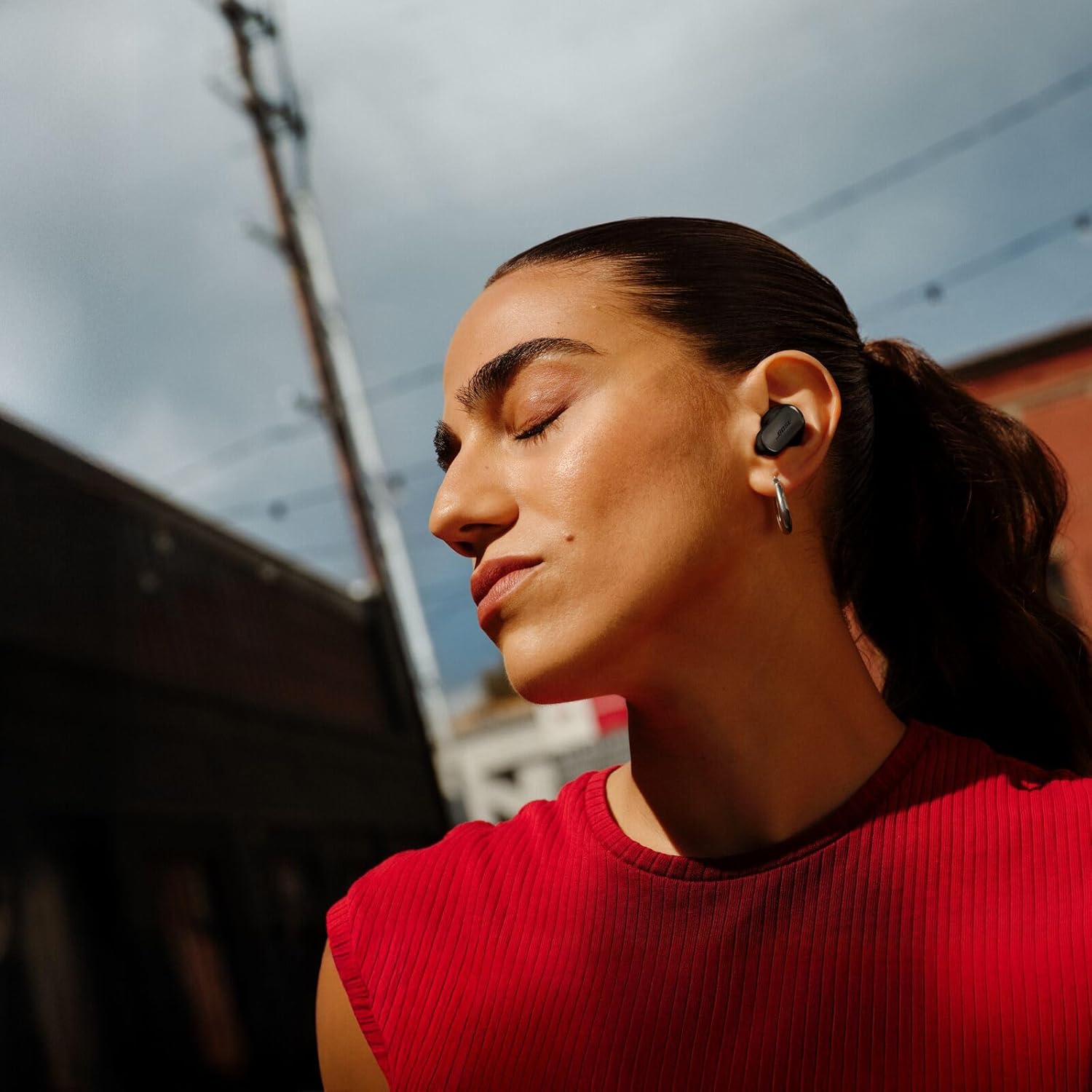
 Here’s what most people get wrong about earbuds:
That $20 pair you grabbed at the checkout isn’t just bad at playing music. It’s actively setting up a cycle that silently damages your hearing — one listening session at a time.
And the worst part? You won’t notice until the damage is already permanent.
What follows covers exactly how this happens, what separates safe earbuds from dangerous ones, and the specific models worth buying.
How Hearing Damage Actually Works
Sound travels into your ear canal and hits a small drum called the tympanic membrane. Vibrations pass through tiny bones into a curled structure called the cochlea. Inside the cochlea sit microscopic hair cells called stereocilia.
These hair cells convert sound into electrical signals your brain reads as audio.
Stereocilia do not grow back. Once they’re damaged, that’s permanent.
Here’s why earbuds are especially risky: they sit directly in your ear canal. That proximity funnels sound pressure straight at your eardrum with much more force than over-ear headphones at the same volume setting.
The Volume Trap: Why Cheap Earbuds Push You to Listen Louder
This is where the real danger lives. Budget earbuds don’t just sound bad — they create a feedback loop that quietly pushes you toward unsafe listening levels.
Poor Isolation = Louder Listening
Cheap earbuds use thin plastic shells and basic silicone tips. They don’t seal your ear canal well.
Outside noise leaks in — traffic, office chatter, air conditioning. Your brain tells you to turn the music up to cover it. You shift from 70 dB to 90 dB without even thinking about it.
At 90 dB, you have roughly 2 hours before real hearing damage starts.
Spectral Masking Tricks Your Brain
Good audio drivers reproduce frequencies evenly — from deep bass to high treble. Cheap drivers can’t do this. They crank up the bass or treble to mask the muddy middle.
The result: lyrics, speech, and detail all sound muffled. Your brain reacts by pushing the volume higher, chasing clarity that never fully arrives. You end up at 95–100 dB just to feel like you’re hearing everything.
High Distortion Wears Out Your Ears
When a cheap driver can’t cleanly reproduce a sound, it adds extra frequencies that weren’t in the original audio. This is called Total Harmonic Distortion (THD).
Your auditory system has to work overtime to make sense of the signal. Repeated sessions of this strain turn temporary hearing shifts into permanent sensorineural hearing loss.
The Numbers: How Long Can You Actually Listen?
The CDC and WHO set these limits based on how your cochlea physically responds to sustained sound pressure:
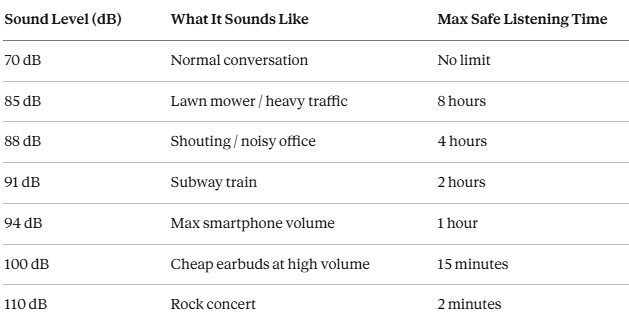
Every 3 dB above 85 cuts your safe listening time in half. That’s not a suggestion — it’s based on direct cochlear damage research.
The WHO projects 2.5 billion people will have some level of hearing loss by 2050. Earbud misuse among younger adults is a significant contributor to that number.
What Good Earbuds Actually Do Differently
Premium earbuds fight the volume compensation problem from multiple angles:
Active Noise Cancellation (ANC) is the single biggest factor. Strong ANC brings the noise around you down to 65–70 dB electronically. You no longer need to blast your music to 95 dB just to hear it on a subway.
Better drivers reproduce sound clearly at lower volumes. You get the detail without cranking the volume up.
Volume monitoring apps track your daily sound exposure and send alerts when you approach dangerous levels — measured against WHO standards.
Proper fit systems create a tight seal that blocks outside noise passively, before ANC even activates.
Best Earbuds for Protecting Your Hearing
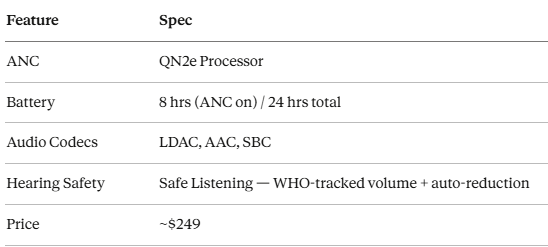
Sony WF-1000XM5
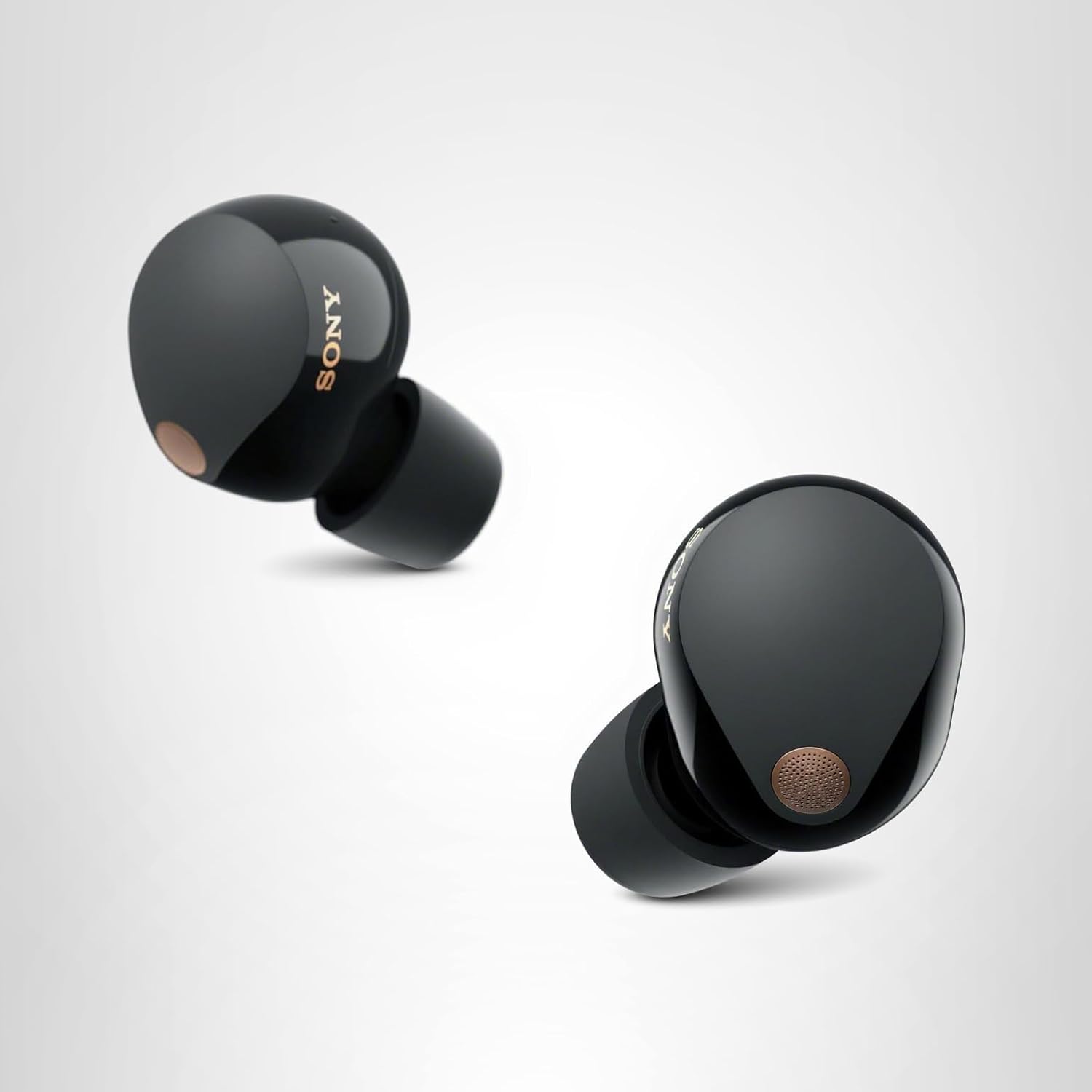
Sony WF-1000XM5 [click to view…]
The top pick for hearing-conscious listeners. Sony’s Dynamic Driver X keeps distortion low across all frequencies — meaning clear, detailed sound at lower volumes.
The real selling point is Safe Listening in the Sony Sound Connect app. It tracks the actual sound pressure your earbuds produce and compares it to WHO weekly limits in real time. When you hit 80% of your weekly allowance, the volume drops automatically. You can review your listening patterns over time to catch bad habits before they cause lasting harm.
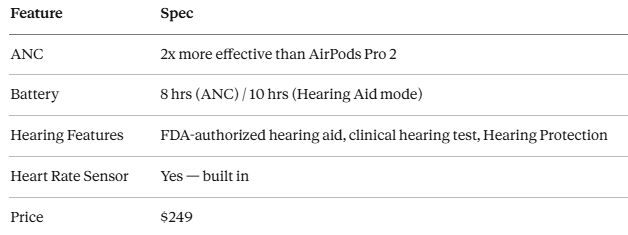
Apple AirPods Pro 3
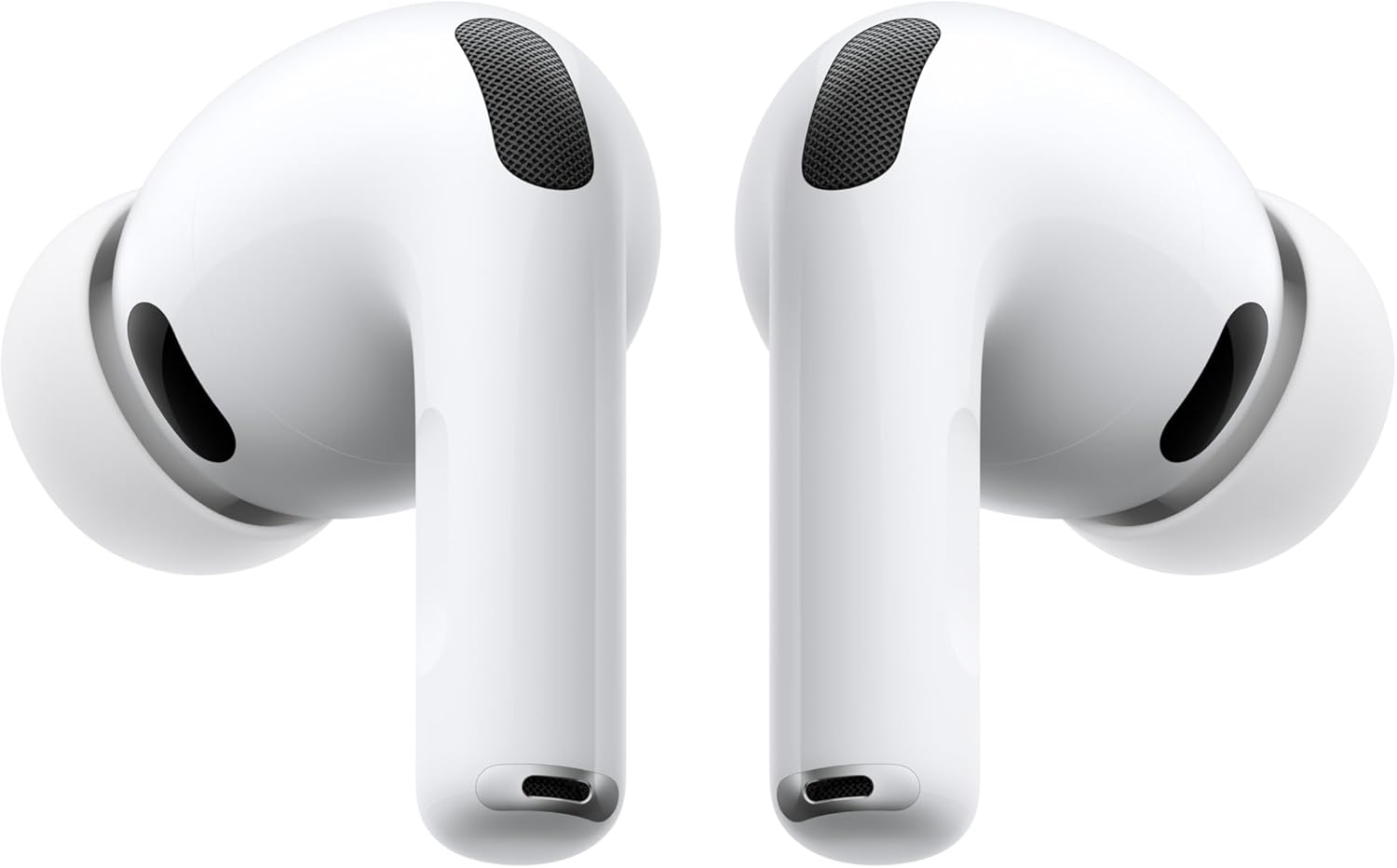
Apple AirPods Pro 3 [click to view…]
The best pick for iPhone users. Released September 2025, these carry the FDA-authorized hearing aid feature forward — with real upgrades in ANC power and battery life.
The Hearing Protection feature uses the H2 chip to detect sudden loud sounds — sirens, construction noise, loud music — and suppresses them before they reach your ears, while still letting speech through clearly.
Take a clinical-grade hearing test right on your iPhone. If results show mild-to-moderate hearing loss, the earbuds activate a personalized hearing aid mode that boosts the specific frequencies you need. Up to 10 hours of battery in Hearing Aid mode means it can run all day.
Bose QuietComfort Ultra Earbuds (2nd Gen)
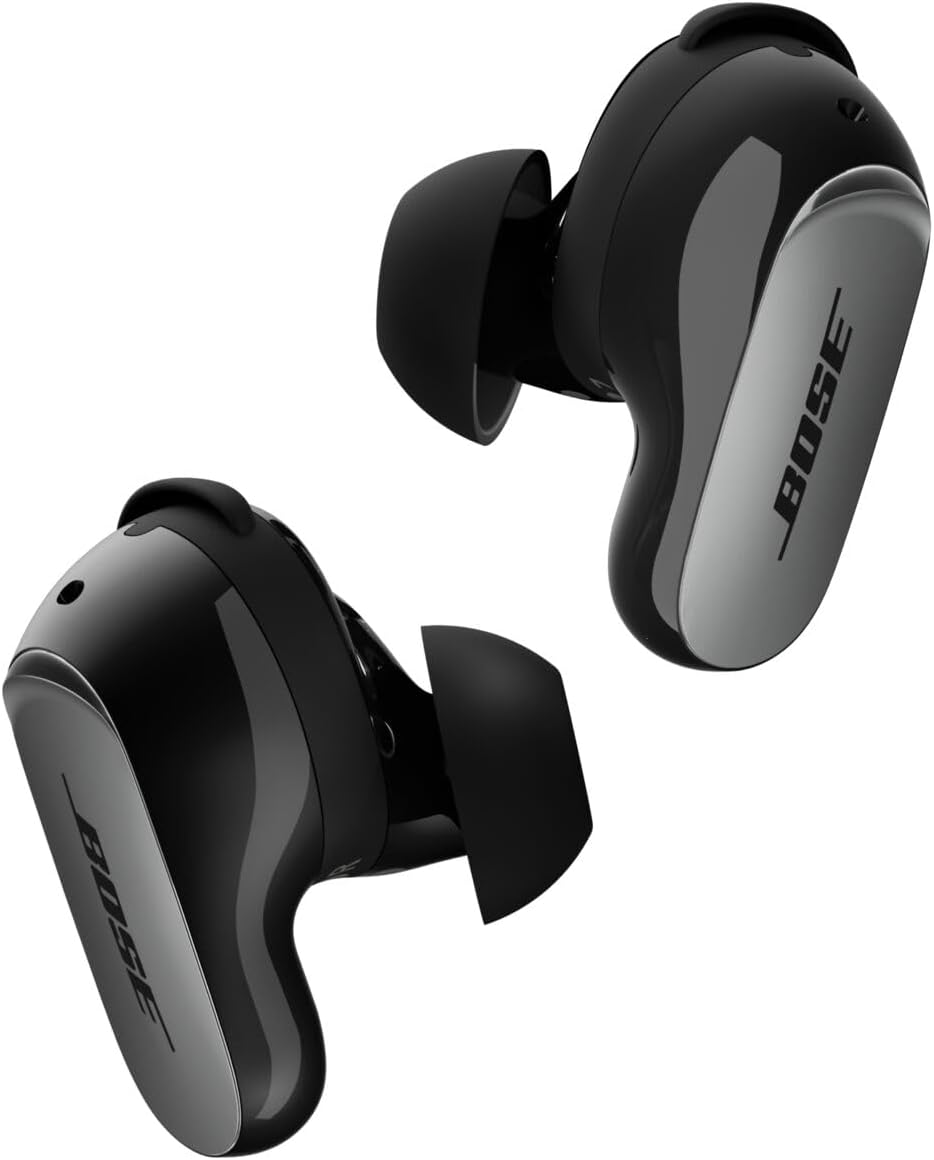
Bose QuietComfort Ultra Earbuds [click to view…]
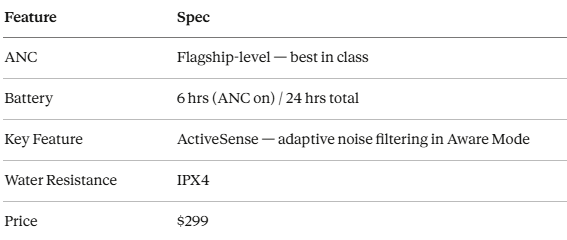
Bose leads in raw noise cancellation — and that’s the #1 defense against the volume compensation trap. The 2nd Gen (released mid-2025) adds ActiveSense: an upgraded adaptive mode that listens for sudden loud environmental sounds and applies noise cancellation based on both the volume and duration of the noise.
In Aware Mode with ActiveSense on, you stay conscious of your surroundings without your music getting buried by random noise spikes. Nine ear tip and stability band combinations let you get the seal right.
Sennheiser Momentum True Wireless 4
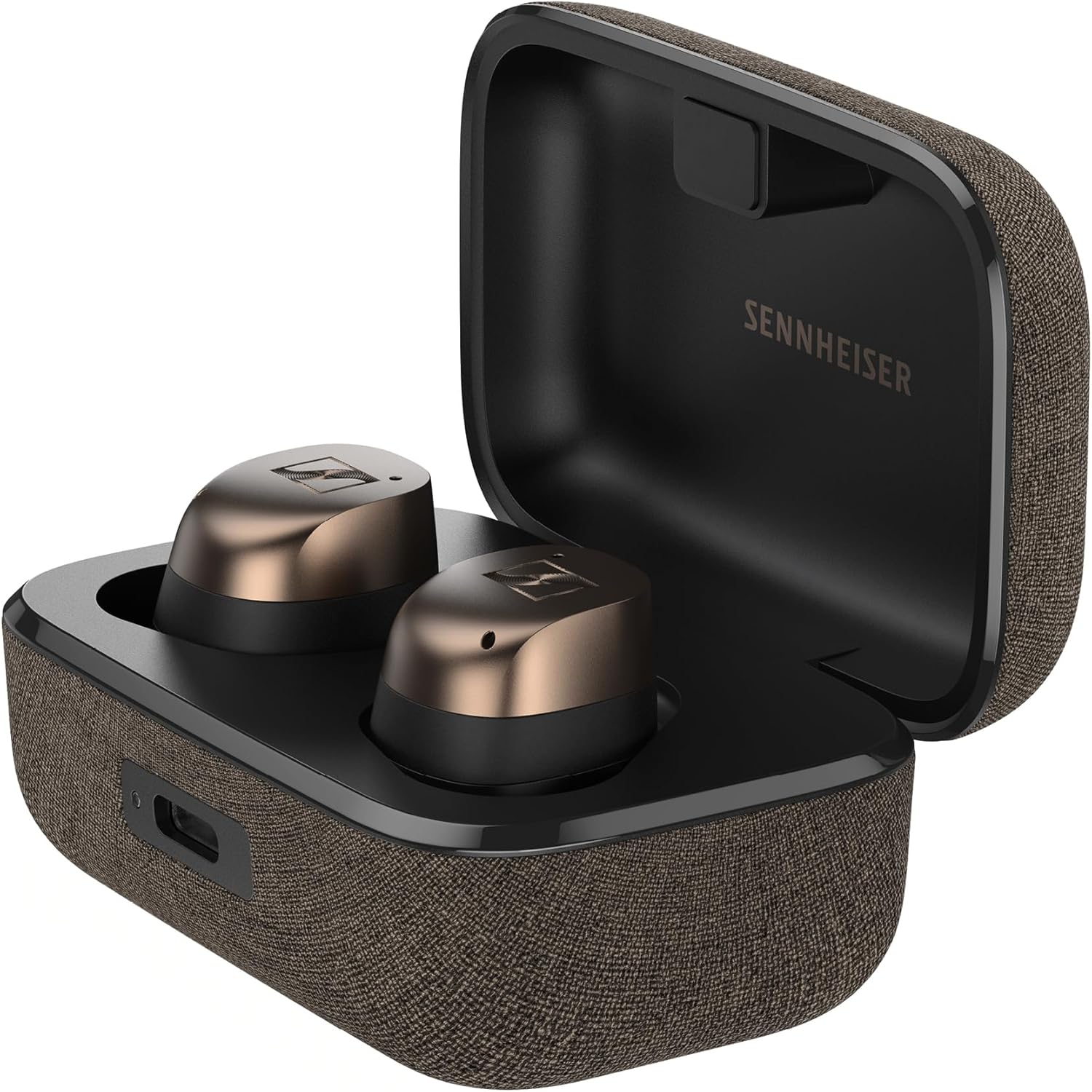
Sennheiser MOMENTUM [click to view…]
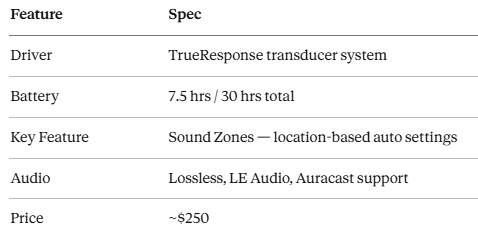
The pick for audiophiles who want both sound quality and hearing safety. The TrueResponse transducer system produces clean, detailed audio at lower volumes — which means less reason to turn things up in the first place.
Sound Zones in the Smart Control app lets you set location-based profiles. Configure your preferred ANC level and volume cap for the gym, your commute, or the office. Once set up, it switches automatically when you move between zones.
Tinnitus: The Warning Sign You Can’t Afford to Miss
That persistent ringing or buzzing after a long listening session is called tinnitus. It’s usually the first sign of stereocilia damage — and it often doesn’t go away.
Cheap earbuds are especially prone to triggering this. Their drivers lack peak-limiting circuits. A sudden burst of static or a loud ad can spike directly into your cochlea with no safety cap in place.
Premium earbuds use digital limiters that prevent any audio signal from exceeding a safe ceiling — no matter what you’re playing. That feature alone is worth the price difference.
The 60/60/60 Rule
Health experts have a simple framework for safer earbud use. Works with any pair you own:
- 60% — Stay at or below 60% of your device’s max volume
- 60 minutes — Listen for no more than 60 minutes at a stretch
- 60-minute break — Give your ears at least an hour of rest before the next session
Free to follow. Effective with budget or premium earbuds alike.
The Bottom Line
Cheap earbuds don’t destroy your hearing in one sitting. They set up a cycle: poor sound quality → you turn the volume up → your cochlea takes repeated hits → hearing loss builds silently over months and years.
The fix is straightforward. Pick earbuds with:
- Strong ANC — cuts outside noise so you stop compensating with volume
- Quality drivers — sound clear without cranking the volume
- A monitoring app — tracks your listening against WHO safety limits
Your hearing is the one piece of hardware you can’t replace at home. Spending $250 now or $2,000+ on hearing aids later — that’s not a close call.
Dora Decora is a biophilic interior design specialist and passionate blogger. With a deep commitment to integrating nature into living spaces, Dora specializes in creating environments that foster human-nature connections through thoughtful design elements. Her approach emphasizes sustainable materials, natural lighting, and organic patterns that enhance wellbeing and reduce environmental impact.
This post (https://homechroma.com/best-earbud-headphone) was originally published by Dora Decora on Home Chroma. As an Amazon Associates partner, we are compensated for all qualifying purchases.