 Here’s something most people don’t realize:
You don’t need to spend hours in Lightroom to get photos that look like they came from a roll of 35mm film.
The right camera does it automatically — the second you press the shutter.
No presets. No subscription software. No color grading tutorials on YouTube at midnight.
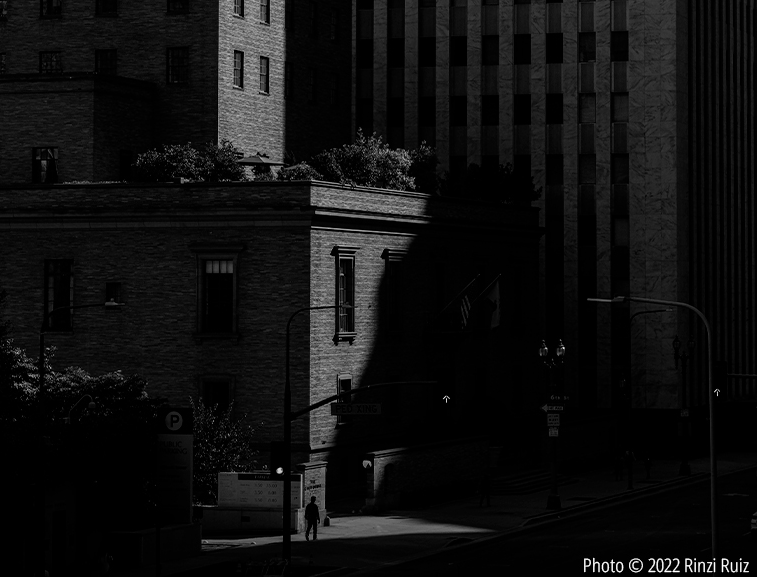
Just point, shoot, and pull a photo off the memory card that already looks like this: warm tones, soft highlights, organic grain, and that quality that makes people stop scrolling.
This guide breaks down the best retro digital cameras that produce genuine film-like results straight out of the camera (SOOC) — with zero post-processing required.
What “Straight Out of Camera” Actually Means
Most digital cameras are built to capture flat, neutral files designed to be edited later. That workflow is great for professionals who live in editing software. It’s not great for everyone else.
SOOC cameras work differently.
They process the image inside the camera using sophisticated color science — mimicking the chemical response of real film stocks. The JPEG file that ends up on your memory card is already the finished photo.
The result:
- Warm, natural skin tones
- Soft highlight roll-off instead of harsh, blown-out whites
- Organic grain texture instead of ugly digital noise
- Rich shadow depth
- Colors that look like memory, not a technical spec sheet
The cameras that do this best are listed below.
The 7 Best Retro Digital Cameras for Film-Like Photos
1. Fujifilm X-T50 — Best for Beginners
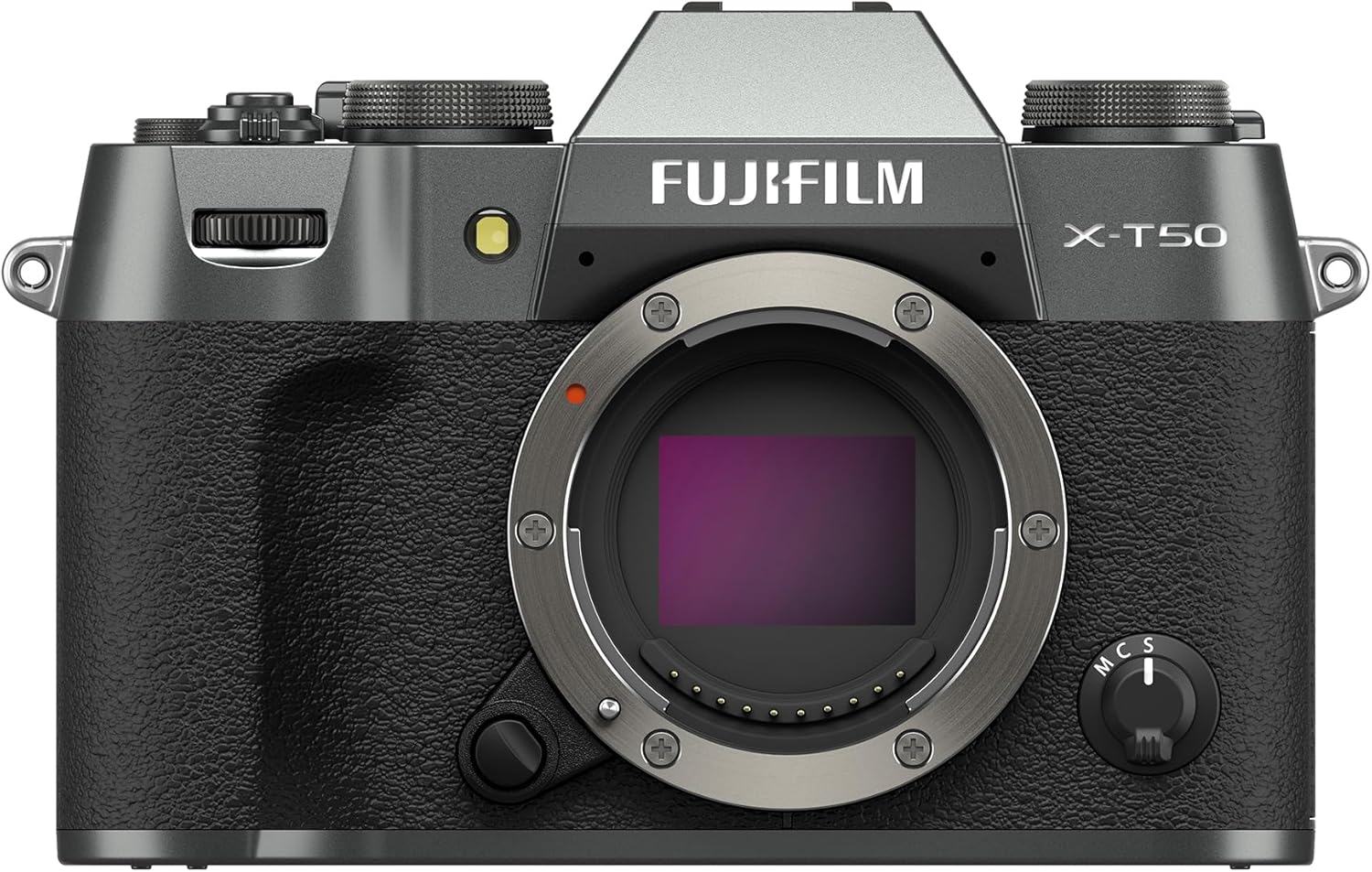
Price: ~$1,399 body-only
The X-T50 is the most beginner-friendly film-look camera available right now.
Here’s why: it’s the first X-series camera Fujifilm has made with a dedicated Film Simulation Dial on the top plate. You turn a physical knob — like changing a radio station — and the camera switches color profiles in real time.
No menus. No settings buried three screens deep. Turn the dial. Shoot.
Fujifilm’s Film Simulations are color science algorithms built from decades of analog film production. Each one mimics a specific film stock:
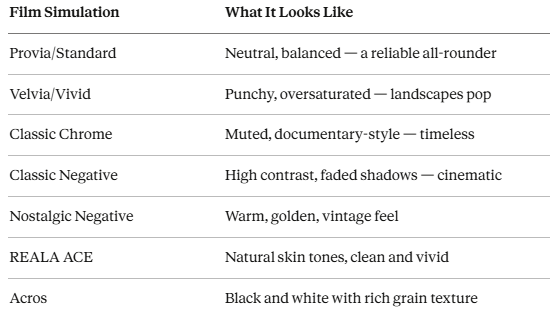 The dial provides direct access to the most popular simulations, plus three customizable slots (FS1, FS2, FS3) where you can store your own “Film Simulation Recipes” — combinations of grain, white balance, and tone settings that mimic even more obscure stocks.
Under the hood, the X-T50 runs the same 40.2-megapixel X-Trans CMOS 5 HR sensor and X-Processor 5 engine as the flagship X100VI. It also packs in-body image stabilization — which keeps handheld shots sharp in low light without a tripod.
One thing to know: The X-T50 has no weather sealing. Keep that in mind for outdoor use in challenging conditions.
Who this is for: Anyone who wants film-like photos without touching software. The Film Sim Dial handles all color decisions the moment you turn the camera on.
2. Fujifilm X100VI — The Cult Classic
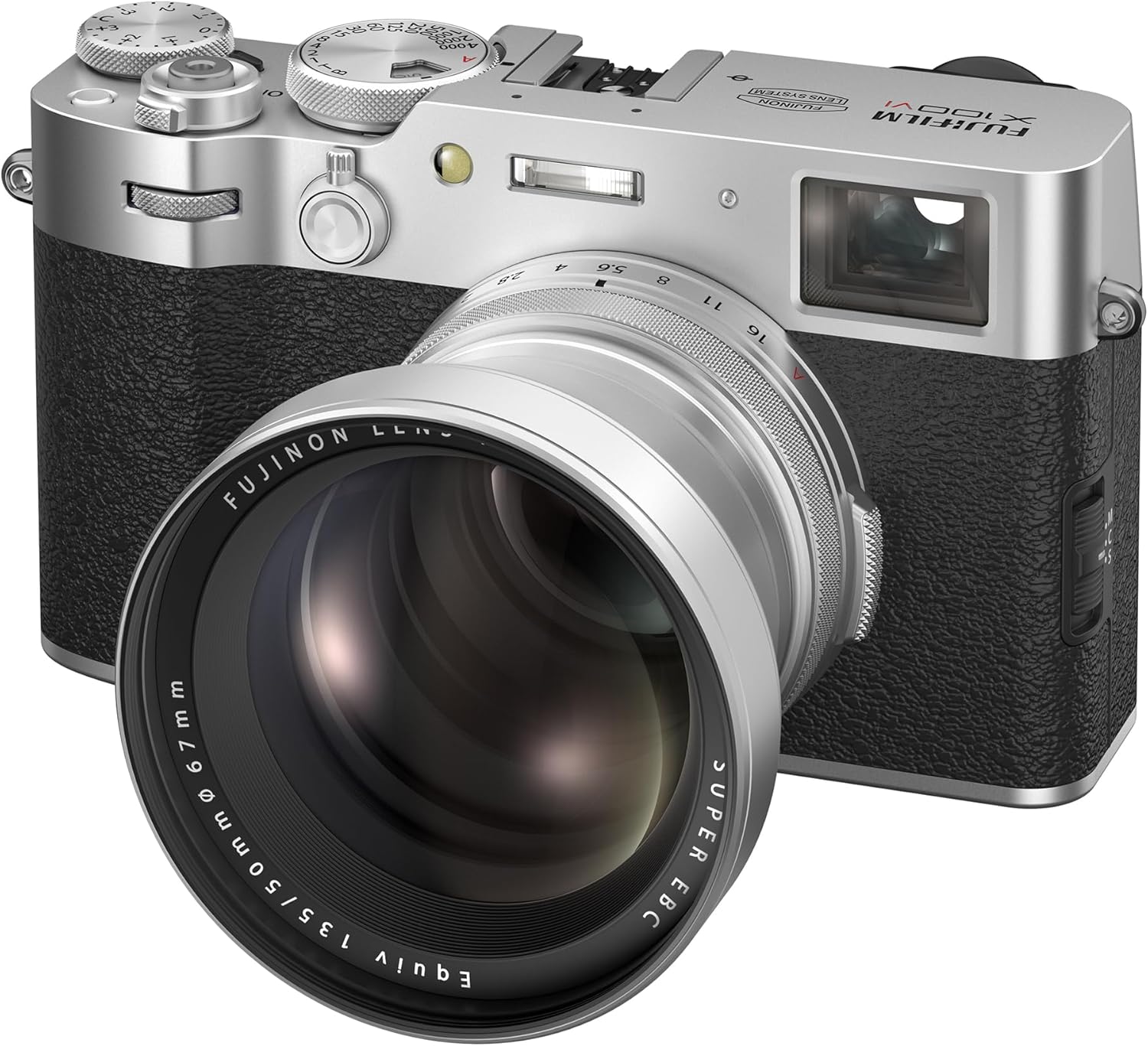
Price: ~$1,799 MSRP — frequently sold out at retail
The X100VI is arguably the most talked-about camera of the past two years. It went viral for a reason: the photos look extraordinary without a single edit.
What makes it special:
- Fixed 23mm f/2 lens (35mm full-frame equivalent) — forces composition thinking instead of zoom dependency
- Hybrid optical/electronic viewfinder — a true rangefinder shooting feel
- 4-stop built-in ND filter — shoot wide open in bright daylight for shallow, dreamy depth-of-field without carrying extra filters
- REALA ACE simulation — widely considered the gold standard for skin tone rendering in any digital camera
- Same 40.2MP sensor and X-Processor 5 as the X-T50 — identical image quality in a pocketable fixed-lens body
The X100VI is especially powerful for street photography, portraits, and travel. Pick a Film Simulation, leave the house, and shoot. Every frame looks intentional.
One thing to know: High demand means frequent stock shortages. Expect to pay above MSRP from third-party sellers, or sign up for waitlists at authorized retailers. The camera is worth the patience if the fixed focal length suits how you shoot.
Who this is for: Someone who wants one great camera with one great lens — compact, capable, and capable of producing stunning results on autopilot.
3. Fujifilm X-T5 — Professional-Grade SOOC
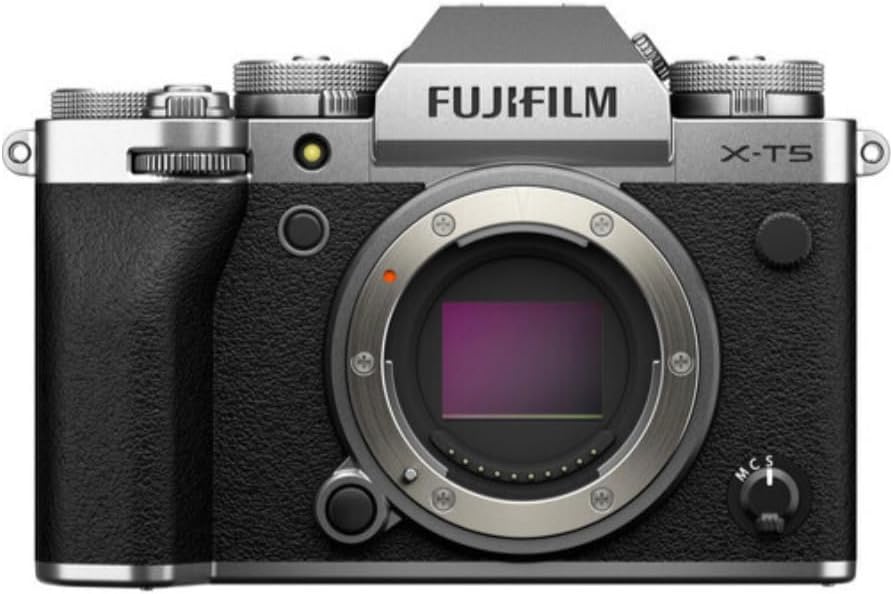
Price: ~$1,699 body-only
The X-T5 is the X-T50’s more serious sibling. It targets photographers who want all of Fujifilm’s film-simulation power in a weather-sealed, professionally built body.
Key differences from the X-T50:
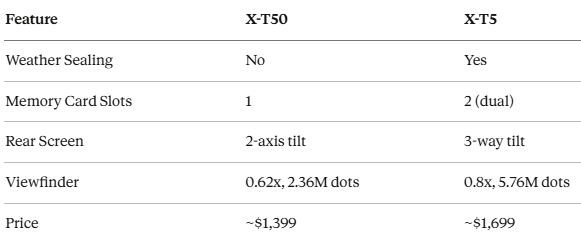
The separate dials for ISO, shutter speed, and exposure compensation give the X-T5 a “set it before you shoot” mindset that mirrors how film cameras worked. You look at the top plate and see your exposure before you lift the camera to your eye.
Who this is for: The person who wants to grow into photography, not just get good-looking snapshots. The X-T5 has room for both.
4. Nikon Zf — Full-Frame Retro Powerhouse
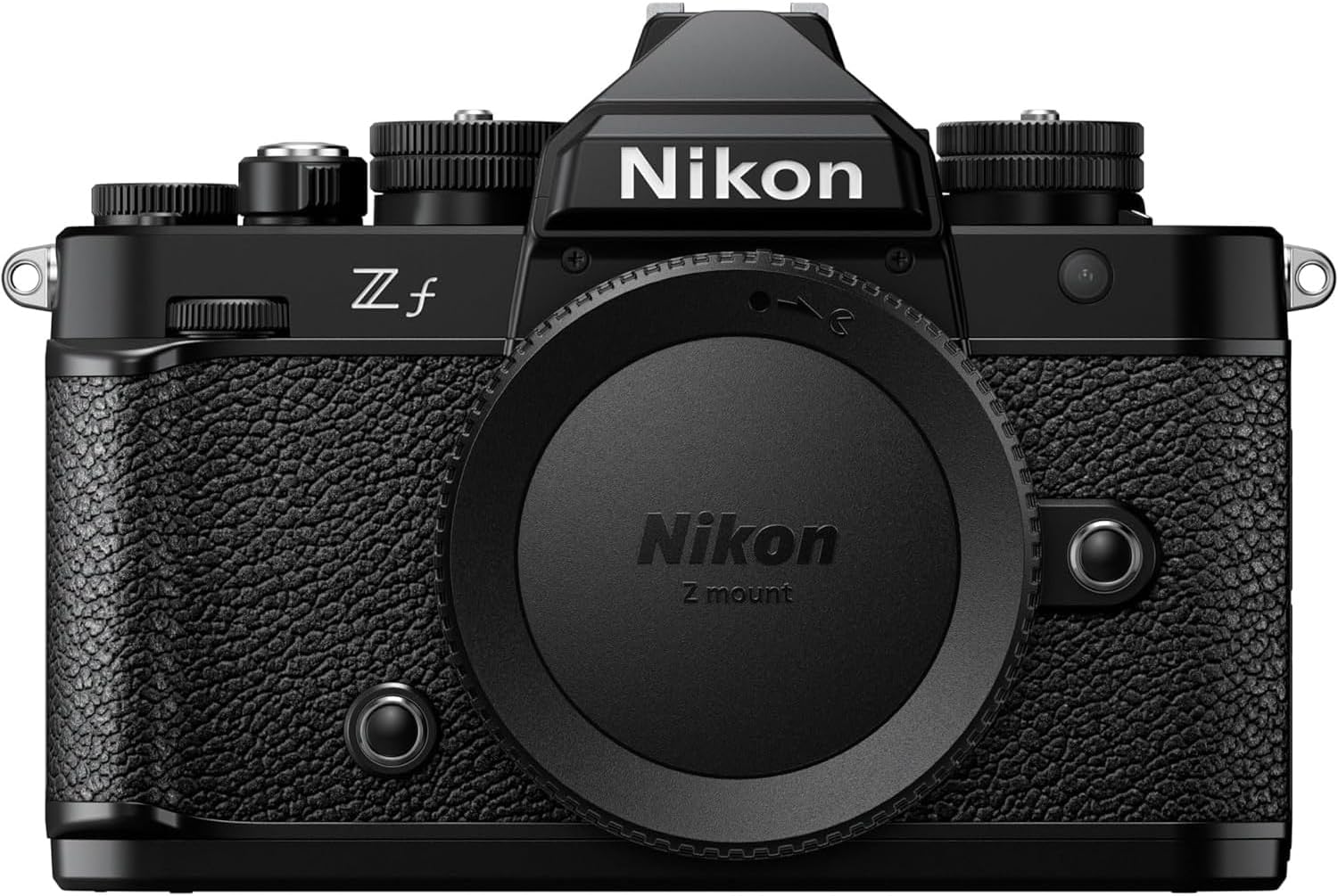
Price: ~$1,997 body-only
The Nikon Zf looks like it was pulled from a photography archive. Built from magnesium alloy and real brass dials that develop a natural patina over time, it feels like a tool built to last decades.
The aesthetics aren’t the main story though.
The Zf runs a full-frame 24.5MP sensor — which produces shallower depth-of-field, better low-light performance, and that signature full-frame quality that smaller sensors can’t fully replicate. It’s also weather sealed, making it the most practical outdoor option on this list for the retro aesthetic seeker.
The B&W switch:
A dedicated black-and-white switch sits on the top plate. Flick it, and the camera shifts instantly to specialized monochrome modes:
- Flat Monochrome — soft, low-contrast B&W
- Deep Tone Monochrome — moody, high-contrast film noir character
No menu navigation. One physical switch.
Nikon Imaging Cloud & Flexible Color:
Nikon has built an ecosystem of downloadable “Imaging Recipes” — in-camera presets created by photographers worldwide. Recipes mimic specific film stocks like Kodak Gold 200 or Portra 800. Load them via SD card and shoot immediately.
The Flexible Color system lets you edit hue, saturation, and luminance for specific color channels directly inside the camera — bypassing any need for RAW editing software.
Who this is for: Anyone who wants the most authentic analog shooting experience in a modern body, backed by full-frame image quality.
5. Ricoh GR IIIx HDF — Best for Street Photography
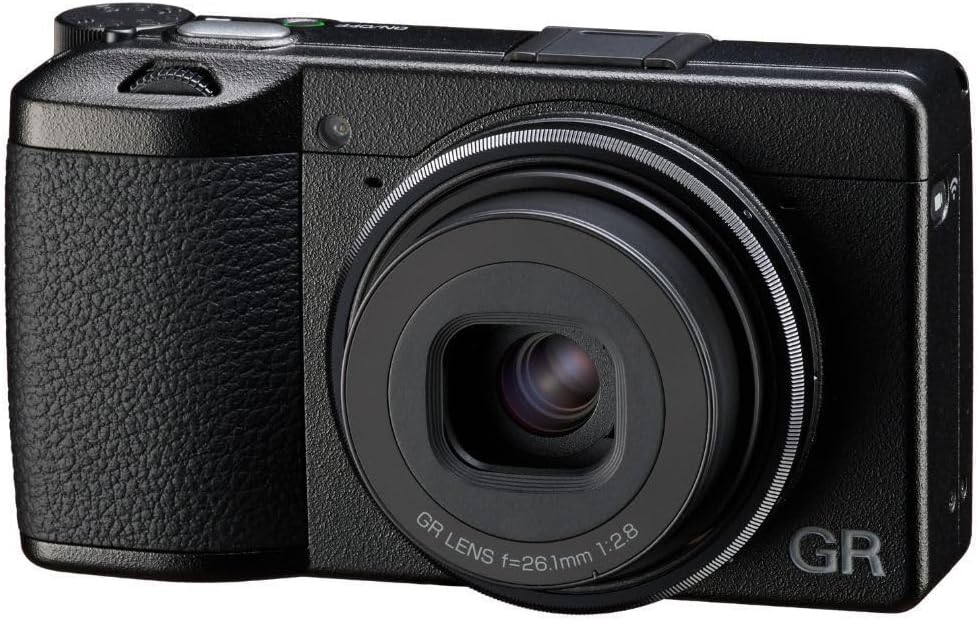
Price: ~$999
The GR IIIx HDF fits in a jacket pocket. It weighs 262 grams with the lens included. And it produces photos that stop people mid-scroll.
It’s built for one thing: capturing life as it happens, fast, without drawing attention to itself.
What HDF means:
The Highlight Diffusion Filter is a physical optical filter built into the lens assembly (replacing the standard ND filter). When activated, it creates a soft bloom — a halo of diffused light — around bright light sources. The effect resembles vintage cinema lenses or professional mist filters used on film sets.
The dreamy, nostalgic quality is baked directly into the hardware. No external filter needed.
Snap Focus — the speed shooter’s shortcut:
Ricoh’s Snap Focus hard-locks the lens to a preset distance (2 meters or 5 meters). Press the shutter, and the camera skips autofocus entirely and captures the image instantly. Paired with a narrow aperture like f/8, virtually everything in the frame stays sharp. It’s how street photographers have shot for decades — now simplified into a single setting.
Image Controls:
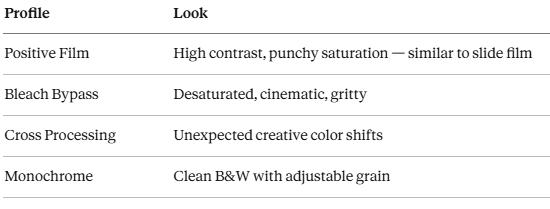
Who this is for: Anyone who wants a pocketable camera that shoots fast, stays discreet, and produces images with a filmic quality built directly into the optics.
6. Kodak PIXPRO FZ55 — Best Budget Option
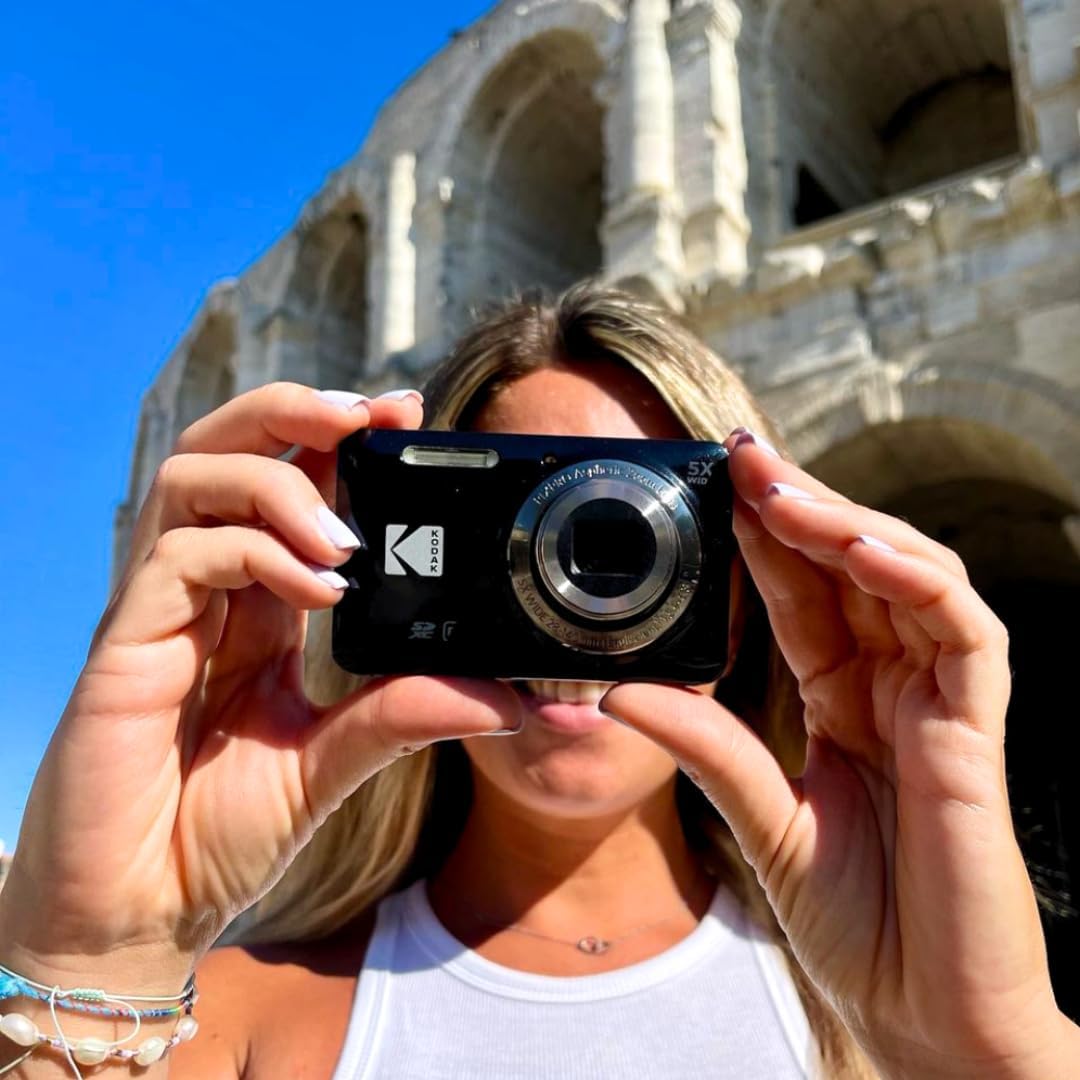
Price: ~$99–$150
Not every film-look camera needs to cost $1,400.
The Kodak PIXPRO FZ55 is a compact point-and-shoot with a 1/2.3-inch sensor that naturally produces the color signature that defined early 2000s digital photography — slightly imperfect tones, soft textures, and a visual character that no amount of smartphone filtering truly replicates.
It shoots up to 16 megapixels, fits in any pocket, and requires zero technical knowledge to operate. Point. Shoot. Done.
It’s become a favorite for content creators chasing the Y2K aesthetic on a real-world budget.
Who this is for: Social media shooters who want photos with personality over technical perfection — without committing to a $1,000+ camera.
7. Vintage CCD Cameras — For the Purist
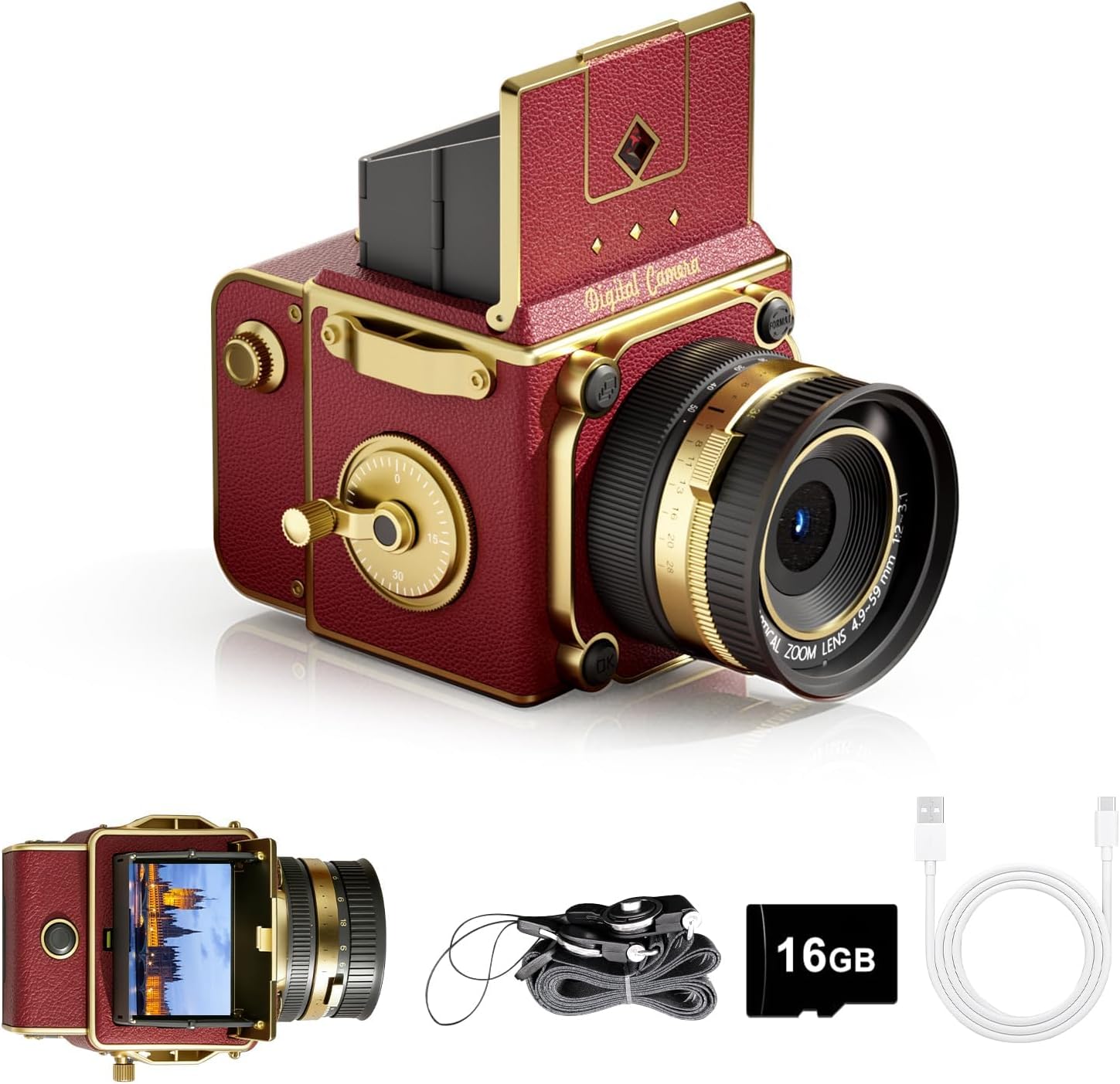
Price: ~$100–$300 on the used/refurbished market
For the most authentic film-like color rendering in digital photography, a growing number of photographers are going backward — to cameras from the early-to-mid 2000s.
CCD sensors (used before modern CMOS sensors became standard) handle light and color differently. They’re widely praised for a painterly quality and a natural highlight roll-off that modern sensors don’t produce without heavy software manipulation.
Top picks worth tracking down:
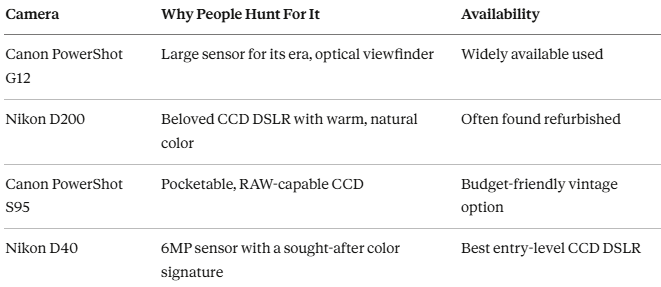
The trade-off: limited resolution, slow autofocus by modern standards, and no modern video features. The reward: a color character that’s difficult — sometimes impossible — to fake with new hardware or software filters.
Who this is for: Photographers who want the most analog-feeling output from a digital sensor, and don’t mind hunting the used market for it.
Full Comparison at a Glance



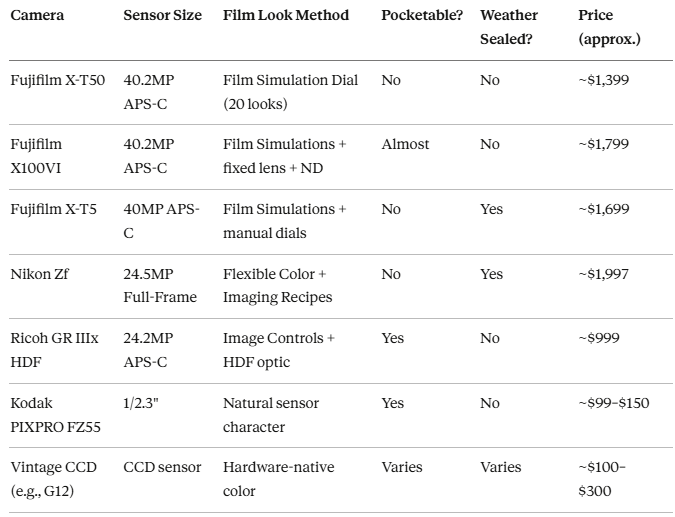
Which One Should You Buy?
You’re completely new to cameras: Go with the Fujifilm X-T50. The Film Simulation Dial means you choose a look and shoot. That’s the entire workflow.
You want one camera for the rest of your life: The Fujifilm X100VI. Fixed lens, film-like output, fits in a coat pocket. The hardest part is finding one at retail price.
You shoot outdoors in rain or dust: The Fujifilm X-T5 or Nikon Zf. Both have weather sealing. Both produce stunning SOOC results with physical controls you can actually feel.
You shoot on the move in cities: The Ricoh GR IIIx HDF. Fits in your pocket. Fires the instant you press the button. The HDF adds that soft, dreamy quality without any additional accessories.
Your budget is under $200: The Kodak PIXPRO FZ55 for the Y2K digicam look. Or track down a Canon G12 or Nikon D200 on the refurbished market for genuine CCD color.
Frequently Asked Questions
Do I need to shoot RAW to get film-like photos? No. These cameras produce finished JPEGs directly. RAW files give you more editing flexibility later, but the whole point here is that the JPEG already looks great with no work.
What’s a Film Simulation Recipe? A recipe is a combination of settings — film simulation, grain size, white balance shift, tone curve adjustments — saved inside the camera. Communities like Fuji X Weekly publish hundreds of free recipes that mimic specific analog film stocks. Load the recipe into a custom slot on your camera, shoot, and get that look on every frame automatically.
Are vintage CCD cameras still worth buying in 2025? Yes, with realistic expectations. They typically cap out at 10–12 megapixels, have slower autofocus, and lack modern video capabilities. For social media and casual printing, the resolution is more than adequate. The color character they produce is genuinely sought-after and can’t easily be replicated with newer hardware or filters.
Can a smartphone replicate this look with filters? Filters can get close in some conditions. The core difference is physical: highlight roll-off, shadow gradation, and color depth behave differently when they’re the result of sensor hardware and in-camera color science rather than an app applying a mathematical overlay to an already-processed image. Side-by-side, the difference is clear.
Is the Fujifilm X100VI worth paying over MSRP for? If the fixed 35mm-equivalent focal length suits how you shoot, yes — the image quality and experience are exceptional. If you need interchangeable lenses or zoom range, the X-T50 gives you the same sensor with far more flexibility at a lower price.
Dora Decora is a biophilic interior design specialist and passionate blogger. With a deep commitment to integrating nature into living spaces, Dora specializes in creating environments that foster human-nature connections through thoughtful design elements. Her approach emphasizes sustainable materials, natural lighting, and organic patterns that enhance wellbeing and reduce environmental impact.
This post (https://homechroma.com/best-retro-digital-cameras) was originally published by Dora Decora on Home Chroma. As an Amazon Associates partner, we are compensated for all qualifying purchases.