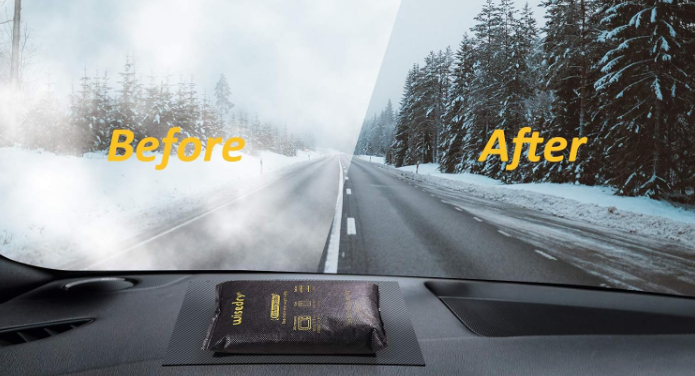
 You wake up, shuffle to your car, and there it is again. Fog covering the windshield. Thick. Stubborn. Blocking your view.
You could start the engine and wait for the defroster to do its job. But that costs time you don’t have. And fuel. And it exposes you to safety risks while visibility is impaired.
There’s a better way.
A single desiccant pack, correctly placed on your dashboard, handles this problem automatically. For the next 60 days, you walk out to a dry, clear windshield. No wiping. No waiting. No frustration.
This is what happens when you shift from reacting to condensation to preventing it.
Why Your Car Windows Fog Up Every Morning
Interior window condensation isn’t random. It’s physics.
When your car sits overnight, the air inside cools down. As temperature drops, the air loses its ability to hold water vapor. That moisture—from your breath, damp clothing, wet floor mats—has nowhere to go.
The windshield glass becomes the coldest surface in the cabin. Water vapor collects on it and turns to liquid. Fog forms.
Where Moisture Comes From
A single person sleeping or sitting in a parked car releases significant moisture through breathing and skin evaporation. Add wet clothes, damp upholstery, or snow-covered floor mats, and the problem multiplies quickly.
Vehicles with damaged door seals or weatherstripping trap even more moisture. Once humidity builds up inside an enclosed 100-cubic-foot space, it stays high unless something removes it.
The Dew Point Problem
The dew point is the temperature at which air becomes saturated. When glass temperature drops below this point, condensation forms instantly.
In a cold climate, your windshield temperature might be 35°F while the cabin air is 45°F and saturated with moisture. That 10-degree difference is enough to trigger fogging.
A moisture absorber solves this by reducing the amount of water vapor in the air. With less moisture, the dew point drops. The glass stays clear because the air is drier.
Three Types of Moisture Absorbers for Cars
Silica Gel: The Standard Choice
Silica gel works through adsorption. Water molecules stick to the microscopic pores inside the silica structure via physical forces. The gel stays solid and dry to the touch, even when fully saturated with water.
Key specs:
- Absorbs 30-40% of its weight in water
- Never liquefies (critical for car safety)
- Rechargeable via microwave or oven
- Lasts 10+ cycles (2-3 years of use)
- Non-toxic, non-corrosive
Silica gel is the safest option for vehicles. It doesn’t leak or create a corrosive byproduct, making it ideal for protecting electronics and interior fabrics.
Calcium Chloride: The Aggressive Option
Calcium chloride uses chemical absorption. It literally pulls water out of the air and holds it as a liquid brine. This makes it powerful but also problematic for cars.
Key specs:
- Absorbs up to 300% of its weight in water
- Transitions to liquid as it saturates
- Non-reusable (disposable)
- Works for 30-60 days
- Highly corrosive when dissolved
Calcium chloride is better suited for storage scenarios or vehicles with extreme moisture issues. The corrosive brine it produces means spills can damage electronics or fabric.
Electric Plug-In Units
Eva-Dry and similar brands offer silica gel inside a heated housing. You plug them in to recharge the gel via electricity instead of using a microwave.
Key specs:
- 4-6 oz absorption per cycle
- 2-4 week effectiveness
- 12-14 hour recharge time
- 10-year lifespan
- No microwave/oven needed
These work well for drivers who want a “set and forget” solution without maintenance hassle.
Top 5 Products Available for Your Car
1. Wisedry 500g Rechargeable Silica Gel (Best for Larger Vehicles)
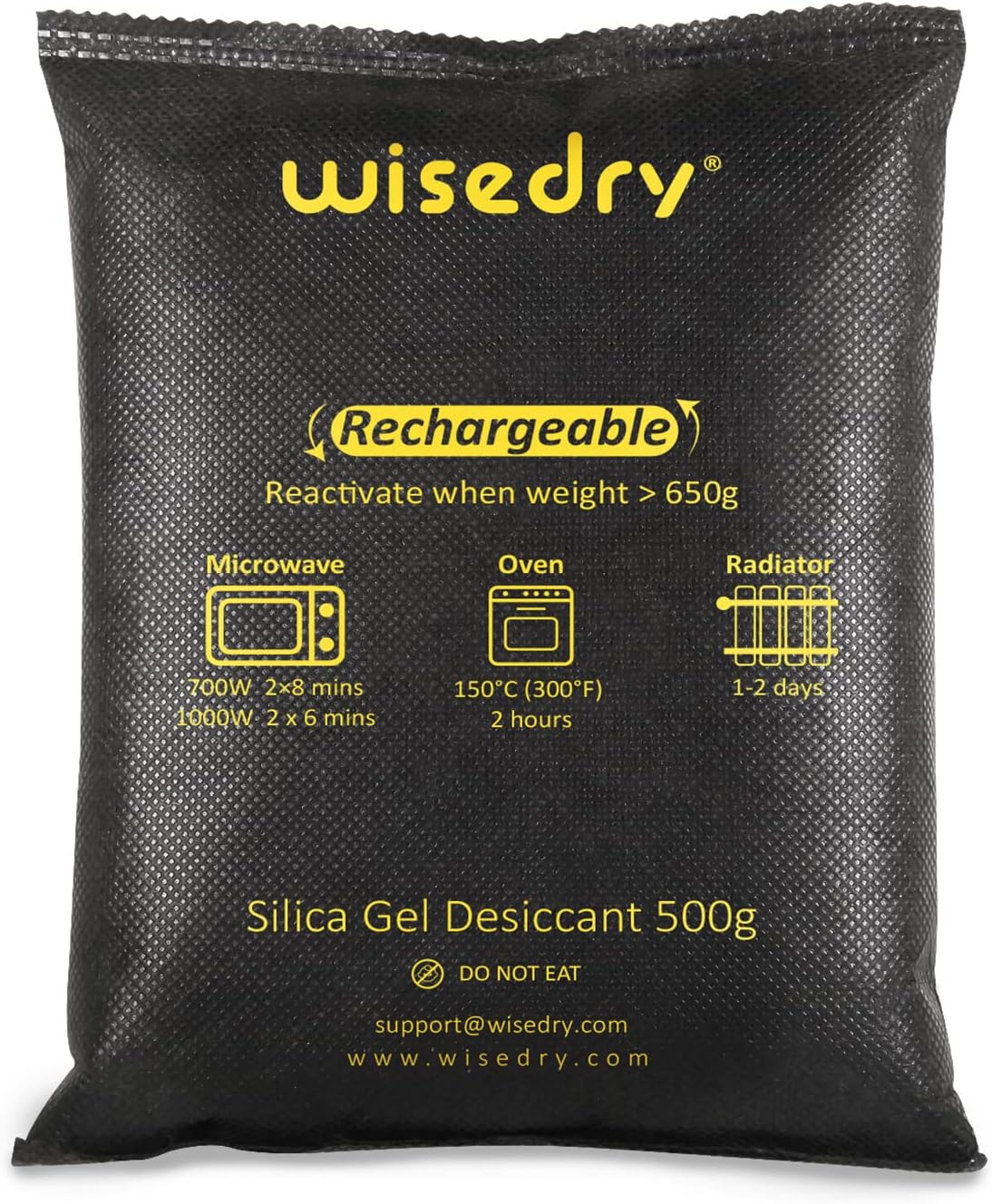
Price: $22.99 (2-pack)
Material: Silica gel with reinforced fabric
Capacity: 150-180g moisture per bag
Recharge: Microwave (10-16 min) or oven (2-3 hours)
Lifespan: 10+ cycles
The Wisedry system stands out because the fabric can handle microwave heat without degrading. For SUVs, trucks, and vans where moisture is a serious problem, the 500g size provides significantly more absorption than standard bags.
Users report that a single Wisedry bag on the dashboard combined with one under the front seats keeps even large cabins dry through winter.
Best for: Families in cold, wet climates with larger vehicles
2. Pingi 300g with Color Indicator (Best for Daily Drivers)
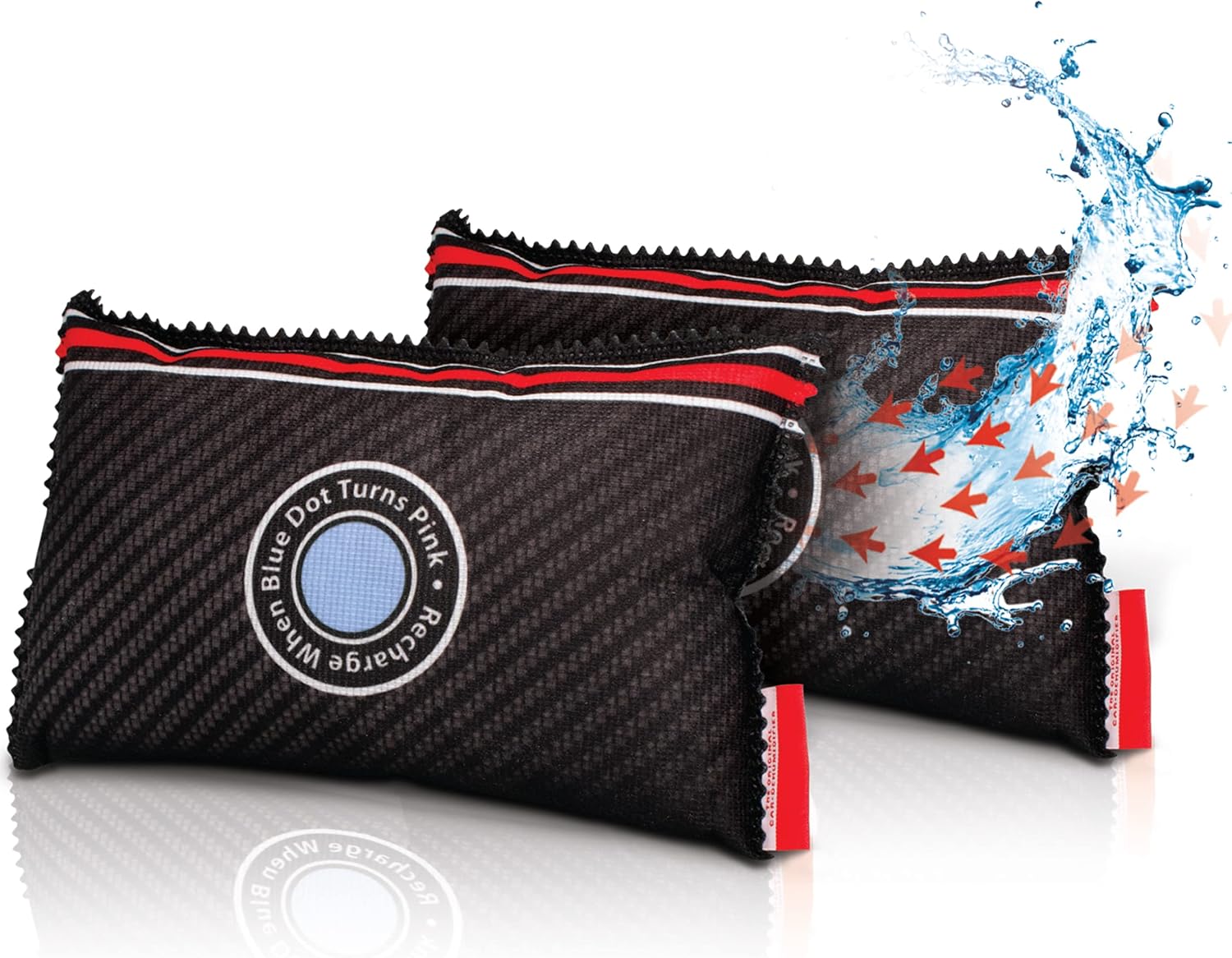
Price: $10-$20
Material: Silica gel with indicator dot
Capacity: 100-150g moisture per bag
Indicator: Color changes from blue (dry) to pink (full)
Design: Compact, dashboard-friendly
Pingi’s indicator technology removes guesswork. You simply glance at the dot to know when recharging is needed. Many units include anti-slip dashboard mats for secure placement.
The compact size fits comfortably on the dashboard without obstructing your view. Amazon reviews consistently praise Pingi for preventing morning condensation with zero hassle.
Best for: Daily commuters, sedan drivers, anyone who wants simplicity
3. Zarpax 400g with Indicator (Best Value)
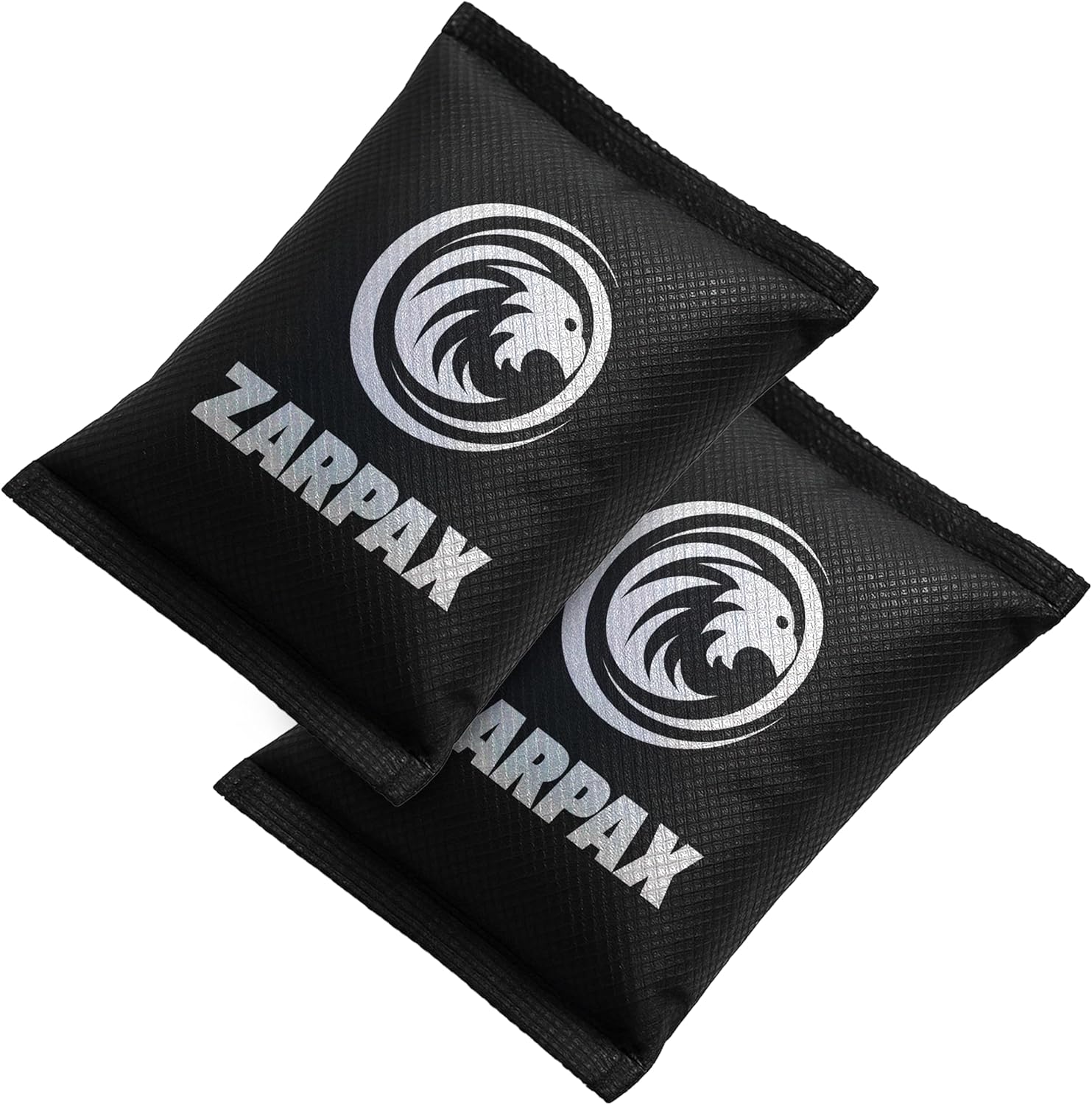
Price: $12-$18
Material: Silica gel with color-change indicator
Capacity: 120-180g moisture per bag
Recharge: Microwave recommended
Design: Carbon-fiber aesthetic
Zarpax delivers slightly larger capacity than Pingi at a lower price point. The color-change indicator is equally reliable, and the modern carbon-fiber look fits contemporary car interiors.
For budget-conscious buyers who don’t want to sacrifice quality, Zarpax offers excellent performance.
Best for: Budget-focused shoppers, vehicles that need reliable defogging without premium pricing
4. DampRid Hanging Moisture Absorber (Best for Extreme Moisture)
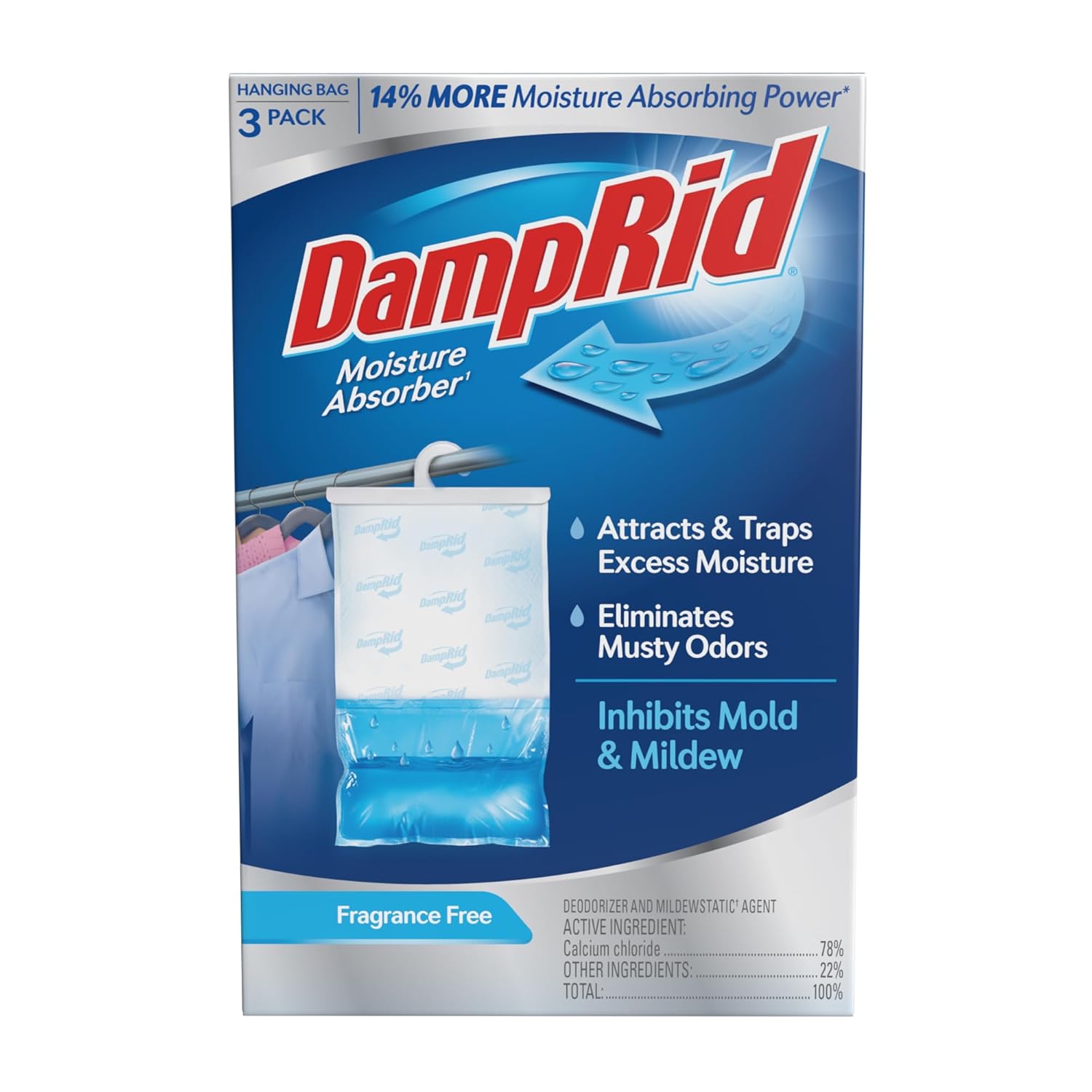
Price: $10-$15 per bag
Material: Calcium chloride crystals
Capacity: Extremely high absorption
Duration: Up to 60 days
Disposal: Liquid poured down drain
DampRid is the aggressive solution. If your car has active moisture problems—leaks, heavy use in humid climates, or long-term storage—calcium chloride works harder than silica.
The 60-day claim is legitimate but climate-dependent. In Florida or Louisiana, you might need replacement every 30 days. In moderate climates, you’ll stretch it to 60.
The downside: the liquid byproduct is corrosive. DampRid must be hung securely to prevent spills on electronic components.
Best for: Long-term storage, vehicles with leaks, extreme humidity environments
5. Eva-Dry E-333 (Best for No-Maintenance Users)
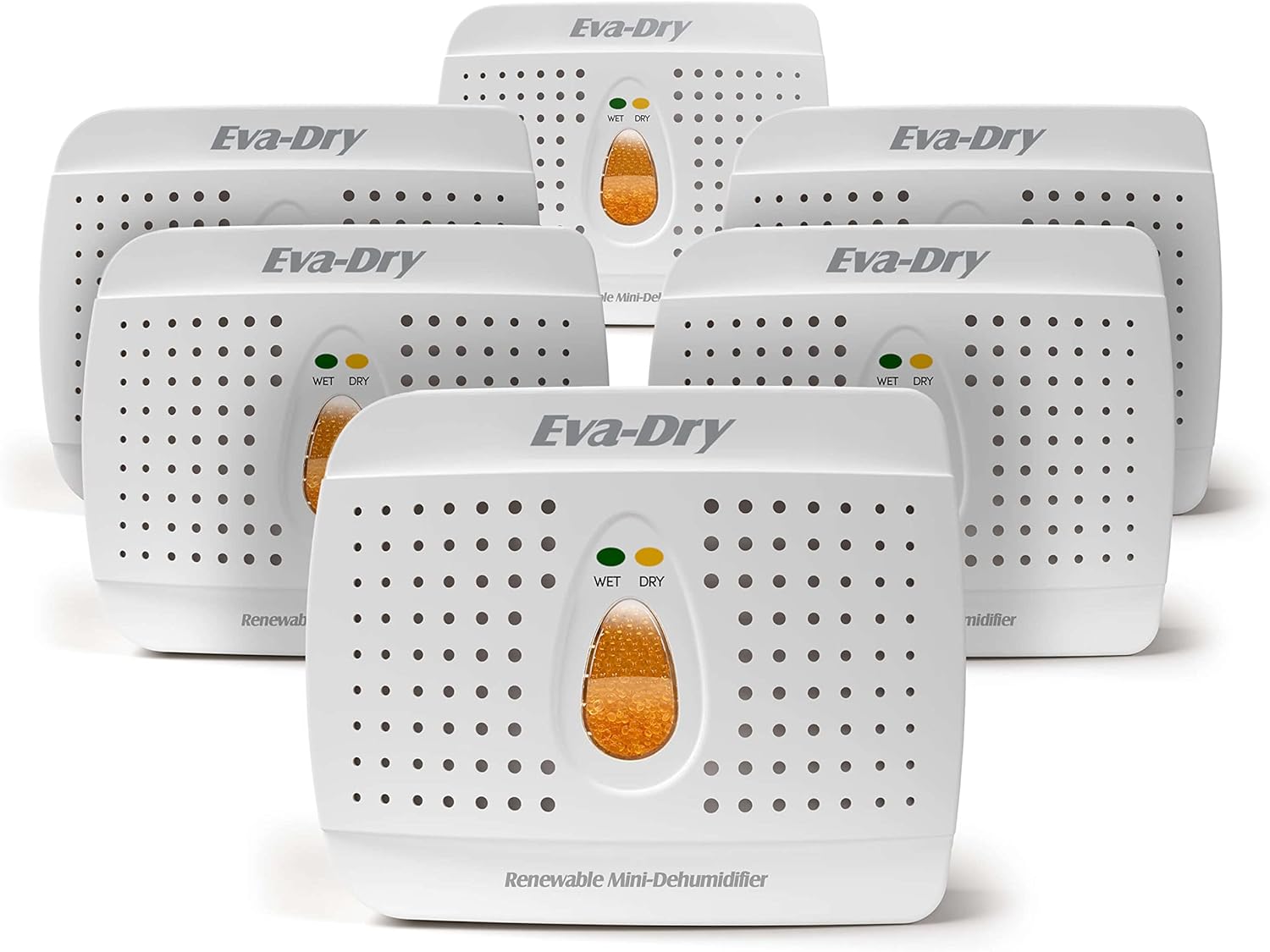
Price: $25-$35
Material: Silica gel beads in heated housing
Capacity: 4-6 oz per cycle
Recharge: Plug into wall outlet (12-14 hours)
Design: Fits glove compartment or center console
For drivers who view microwave recharging as a chore, Eva-Dry eliminates the process. Plug it in at home, forget about it until the next recharge.
These units last 10 years and work continuously in the background. They’re ideal for people who prioritize convenience over cost.
Best for: Busy professionals, anyone avoiding oven/microwave maintenance
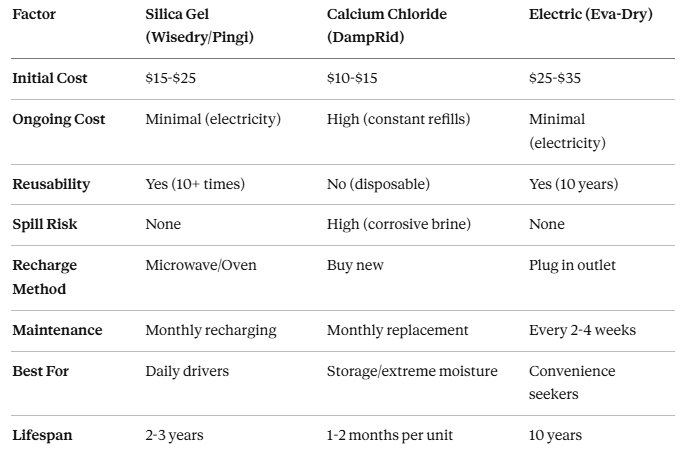
How to Choose: Comparison Table

The 60-Day Claim: What It Actually Means
You’ll see “60 days” advertised frequently. Here’s what’s real and what’s marketing.
A 500g silica bag in a standard car cabin (roughly 100 cubic feet) can handle typical winter moisture load for about 60 days. But this assumes:
- Average number of occupants
- Normal driving patterns
- Average humidity levels for your region
- Proper placement
If multiple people use the car, or if the vehicle sits with wet interior surfaces daily, the bag saturates faster. You might need replacement every 15-20 days instead of 60.
In dry climates with minimal moisture sources, the same bag might last 90+ days.
The takeaway: 60 days is the maximum potential, not a guarantee. Most drivers will recharge every 30-45 days during heavy seasons.
Where to Place Your Moisture Absorber
Placement is as important as the product itself.
The Dashboard (Best for Windshield Defogging)
Position the bag near the base of the A-pillars on the dashboard. This targets the coldest area where fog forms first.
Many silica gel bags include anti-slip pads specifically for dashboard placement. This location allows the desiccant to create a “dry zone” directly in front of the glass.
The risk: unsecured bags can slide during hard braking. Always use the included pad or a small adhesive grip.
Secondary Placement for Complete Coverage
In larger vehicles or high-humidity climates, one bag isn’t enough:
Under front seats: Targets damp floor mats from rain and snow
Rear parcel shelf: Keeps rear windows clear in hatchbacks
Door pockets: Discreet placement, less effective but still helpful
Glove compartment: Works if you’re using an electric unit
For SUVs or trucks, experts recommend 2-4 bags total—one primary on the dashboard, others in secondary locations.
Safety Considerations
Never place a desiccant bag where it could obstruct your view or become a projectile during hard braking. Avoid the steering wheel area or upper dashboard center.
Keep calcium chloride units away from electronics, leather seats, and wood trim. If spilled, the brine causes permanent damage.
How to Recharge Your Silica Gel Bags
Silica gel’s reusability is its biggest advantage. But recharging requires the right technique.
Microwave Method (Fastest)
- Place the saturated bag on a microwave-safe plate
- Put a paper towel underneath to absorb expelled moisture
- Microwave at 600-700W for 6 minutes
- Let cool for 2-3 minutes
- Microwave another 6 minutes
- Let cool completely before removing
Why two phases? The first heating drives moisture from the outer silica beads. The cooling period allows internal moisture to migrate to the surface. The second heating drives off that moisture.
Total time: 15-20 minutes. Total cost: negligible electricity.
Oven Method (Most Thorough)
- Preheat oven to 250°F (120°C)
- Place bag on a baking sheet
- Heat for 2-3 hours
- Let cool completely
- Store in airtight container until use
This method ensures even deep drying. It’s gentler on the fabric and produces more consistent results than microwave.
Solar Drying (Free but Slow)
Place the bag in direct sunlight for 3-5 days in low-humidity conditions. This works but requires patience and ideal weather.
When to Stop Recharging and Replace
Most silica gel bags handle 10+ recharge cycles before the fabric degrades or the indicator dots become unreliable. At 2-3 cycles per year, a single bag lasts 3-4 years.
When the indicator stops changing color, or when the bag develops tears, it’s time for a new one.
FAQ: Common Questions Answered
Q: Can I use the same bag in multiple cars?
A: Yes. A saturated bag from one vehicle can be recharged and used elsewhere. Though for convenience, most drivers keep one bag per car.
Q: How do I know if the bag is working?
A: With color-indicator bags (Pingi, Zarpax), the dot changes color. With Wisedry, you’ll notice clearer windows each morning compared to before. You might also notice reduced musty smells.
Q: What if I live in a dry climate?
A: Even dry climates experience condensation during seasonal temperature swings. A single bag still prevents fogging. You’ll simply recharge less frequently.
Q: Is it safe to microwave desiccant bags?
A: Yes, silica gel bags are designed for microwave recharging. High-quality fabric (like Wisedry) handles heat without degrading. Avoid extreme heat or overheating.
Q: Can I use these in an RV or boat?
A: Absolutely. In fact, recreational vehicles benefit more than cars. The larger enclosed spaces trap more moisture. Multiple bags are recommended for caravans or boats.
Q: Will a desiccant bag help with odors?
A: Silica gel doesn’t eliminate odors directly, but by removing moisture, it prevents mold and mildew growth that cause musty smells. Some premium bags include activated carbon for additional odor absorption.
Q: How long does recharging take?
A: Microwave: 15-20 minutes. Oven: 2-3 hours. Electric units: 12-14 hours. Plan accordingly based on your timeline.
Q: Can I use a regular desiccant pack from a shoe box?
A: Small packets work for minor moisture, but they saturate quickly. Purpose-made car desiccants (300g+) have 5-10x the capacity and last significantly longer.
Final Thoughts
Foggy windows every morning is a solvable problem. It’s not something you have to accept or tolerate.
A $15-30 desiccant pack, correctly placed, eliminates this frustration for weeks at a time. The maintenance takes minutes. The benefits extend beyond defogging to include better air quality, safer driving, and preserved interior condition.
The choice isn’t whether to use a moisture absorber—it’s which one fits your specific situation.
Choose based on your vehicle size, climate, and preference for reusability. Even the simplest option outperforms the daily ritual of wiping windows in a foggy car.
Start with one bag this week. Experience the clarity for yourself. Then decide if you want additional coverage in secondary cabin locations.
Your mornings will feel noticeably less rushed. Your windshield will be clear. And you’ll wonder why you didn’t do this sooner.
Ready to stop wiping foggy windows? Select your product, place it on the dashboard, and enjoy 60 days of cabin dryness. Most drivers never go back to dealing with condensation the old way once they experience the difference.
Dora Decora is a biophilic interior design specialist and passionate blogger. With a deep commitment to integrating nature into living spaces, Dora specializes in creating environments that foster human-nature connections through thoughtful design elements. Her approach emphasizes sustainable materials, natural lighting, and organic patterns that enhance wellbeing and reduce environmental impact.
This post (https://homechroma.com/best-moisture-absorber-for-car) was originally published by Dora Decora on Home Chroma. As an Amazon Associates partner, we are compensated for all qualifying purchases.