 Every morning, millions of people spray fragrance directly onto the neck—the thinnest, most permeable skin on their body. This area sits directly above the thyroid gland and houses a dense network of lymph nodes responsible for immune filtration. Yet most conventional perfumes contain ingredients not even listed on the label.
Here’s the uncomfortable truth: The industry term “fragrance” is a legal loophole masking thousands of undisclosed chemicals. And while scent should be a pleasure, the chemicals delivering that scent may carry a steeper price than you realize.
The good news? Natural perfumes made from botanical oils and resins offer a smarter alternative. They perform better. They last longer. And they work with your body’s chemistry instead of against it.
The Hidden Cost of Conventional Fragrance
What’s Actually in Your Perfume Bottle
Synthetic fragrances are engineered from petrochemical-derived compounds designed for linear, predictable scent profiles. The problem isn’t that they smell bad—it’s what they contain.
The primary culprits:
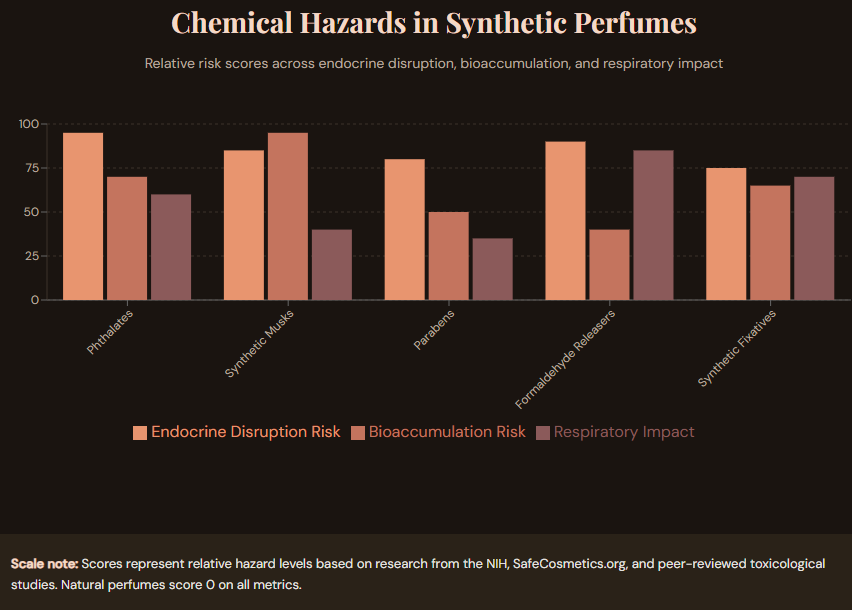
Phthalates – Diethyl Phthalate (DEP) is a liquid plastic used to make scents adhere to skin for hours. It’s an endocrine disruptor linked to hormonal imbalances and reproductive concerns. Because it’s classified as a trade secret component of “fragrance,” manufacturers don’t have to disclose it on labels.
Synthetic Musks – Galaxolide and Tonalide are designed to linger. The problem: they don’t break down easily in the environment or your body. Research shows they bioaccumulate in tissue, breast milk, and even cord blood of newborns. Some evidence links them to neurodegenerative concerns.
Parabens and formaldehyde releasers – These preserve synthetic formulas but act as endocrine mimickers. Studies have detected them in everything from wastewater to aquatic wildlife.
Volatile organic compounds (VOCs) – Approximately 75% of people with respiratory conditions report asthma triggers from perfume exposure. These VOCs can cause migraines, dizziness, and cognitive fog in sensitive users.
The Anatomy of Risk
The neck is a “high-traffic biological zone.” The skin here is significantly thinner than on the wrists or behind the knees. This high permeability means endocrine-disrupting chemicals applied directly over the thyroid have a shorter pathway to your circulatory system.
Research from George Mason University found that children exposed to personal care products applied to sensitive skin areas showed elevated phthalate levels in urine—indicating that dermal absorption is real and measurable.
Dermatologists increasingly advise against fragrance application on the neck, instead recommending pulse points like wrists, inner elbows, and behind the knees. A growing number recommend applying fragrance to clothing or hair as the safest alternative.
Why Botanical Oils Are Different—And Actually Better
The shift toward natural perfumery isn’t sentimental. It’s rooted in chemistry.
How Natural Oils Achieve Longevity
A persistent myth: natural perfumes lack staying power. In reality, high-quality botanical fragrances last 6–12+ hours through a completely different mechanism.
Instead of plastic fixatives, natural perfumes use:
Agarwood (Oud) – One of the most valuable materials in perfumery. A single piece of infected agarwood wood can cost thousands. It works as a “botanical fixative,” anchoring lighter notes to the skin through sheer molecular density.
Labdanum resin – Extracted from the sticky labdanum shrub. It’s noted for an “animalic” quality that resurfaces scent throughout the day as your skin temperature fluctuates.
Sandalwood, patchouli, benzoin, myrrh – These base materials contain hundreds of aromatic molecules, each with different evaporation rates. This natural complexity is the longevity mechanism.
Molecular bloom – Unlike synthetic sprays that flash-evaporate on contact with skin, botanical oils require body heat to activate. As your skin warms the oil, scent molecules release in phases: citrus top notes first, then floral hearts, finally resinous bases that linger for hours. This isn’t a linear scent. It’s an evolution.
The Unique Chemistry of Body Heat
Your skin isn’t a static surface. It’s an ecosystem.
Natural oils interact with:
- Skin temperature – Warm areas project woody and resinous notes more powerfully. Cooler areas keep the scent closer and more intimate.
- Sebum levels – Your natural skin oils “round out” a botanical scent, making it more sensual. Dry skin keeps it lighter and more transparent.
- Microbial activity – Skin bacteria actively metabolize botanical compounds, creating a unique scent profile that differs person to person.
This is why two people wearing the same natural perfume smell subtly different. It’s also why you can’t copy a natural fragrance from a sample into another bottle—the interaction is alive and reactive.
The Top Natural Perfumes Available Today
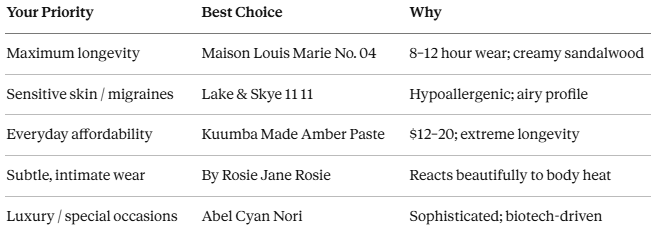
Maison Louis Marie No. 04: The Longevity Standard
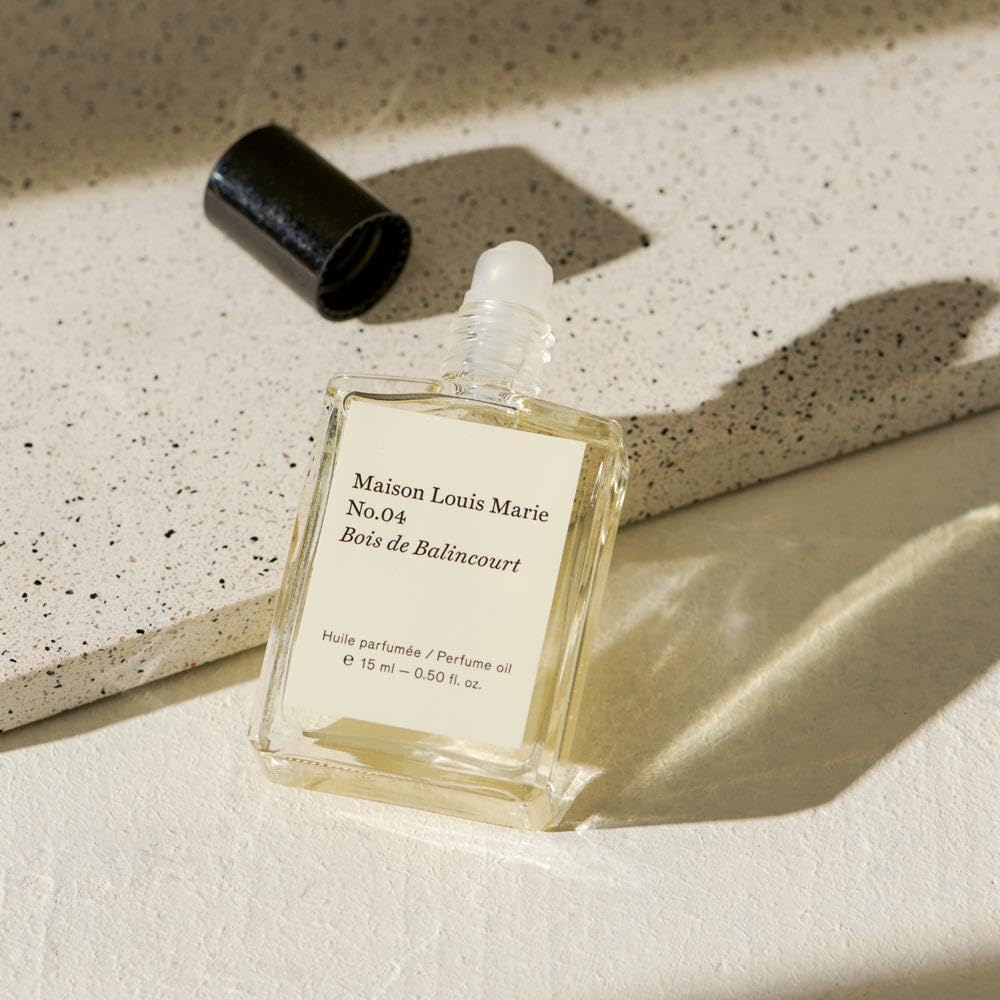
The profile: Sandalwood, cedarwood, cinnamon, nutmeg, vetiver
This is the gold standard of natural longevity. Often compared to luxury synthetics that cost 10x more, No. 04 delivers a creamy, sophisticated wood scent that evolves beautifully over 8–12 hours.
What reviewers say: “Starts sweet and warm, fades into a creamy, sophisticated wood that smells like a high-end hotel lobby.”
The quirk: Some users detect a “pickle” or briny note—especially on warm skin. This isn’t a flaw. It’s the natural sandalwood and cedarwood fractions reacting to specific skin pH levels. Synthetic sandalwood substitutes eliminate this variation, but at the cost of flatness.
Format recommendation: Perfume oil roller for best results. The oil base allows the woody notes to bloom gradually.
Price range: $65–$98
Lake & Skye 11 11: For Sensitive Skin
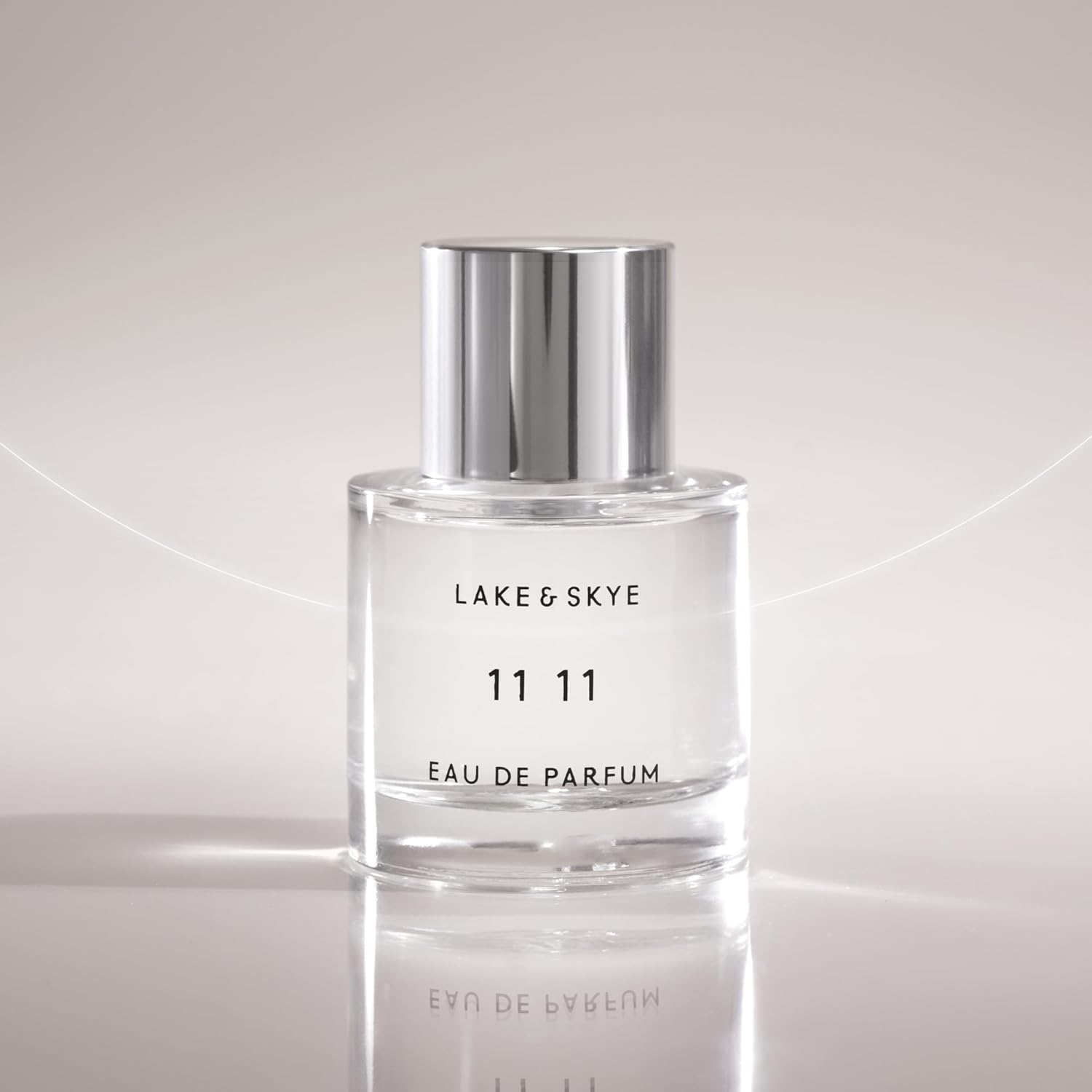
The profile: White ambers, skin musk, ozonic notes
Award-winning and hypoallergenic. This scent is designed to feel like “clean air and soft skin” rather than a heavy fragrance. It’s the go-to for people whose migraines are triggered by conventional perfumes.
Why it works for sensitive users: Free of the harsh synthetics that cause neurological reactions. The formula is minimalist—just a few botanical components layered beautifully.
Important note: Reviewers frequently report “I can’t smell it after five minutes.” This is anosmia—your olfactory receptors fatiguing to the large skin-mimicking molecules. What you don’t smell, others do. Expect compliments for hours after you’ve gone “nose blind.”
Format recommendation: Perfume oil. The spray version underperforms significantly on most skin types.
Price range: $48–$98
By Rosie Jane: Everyday Wearability
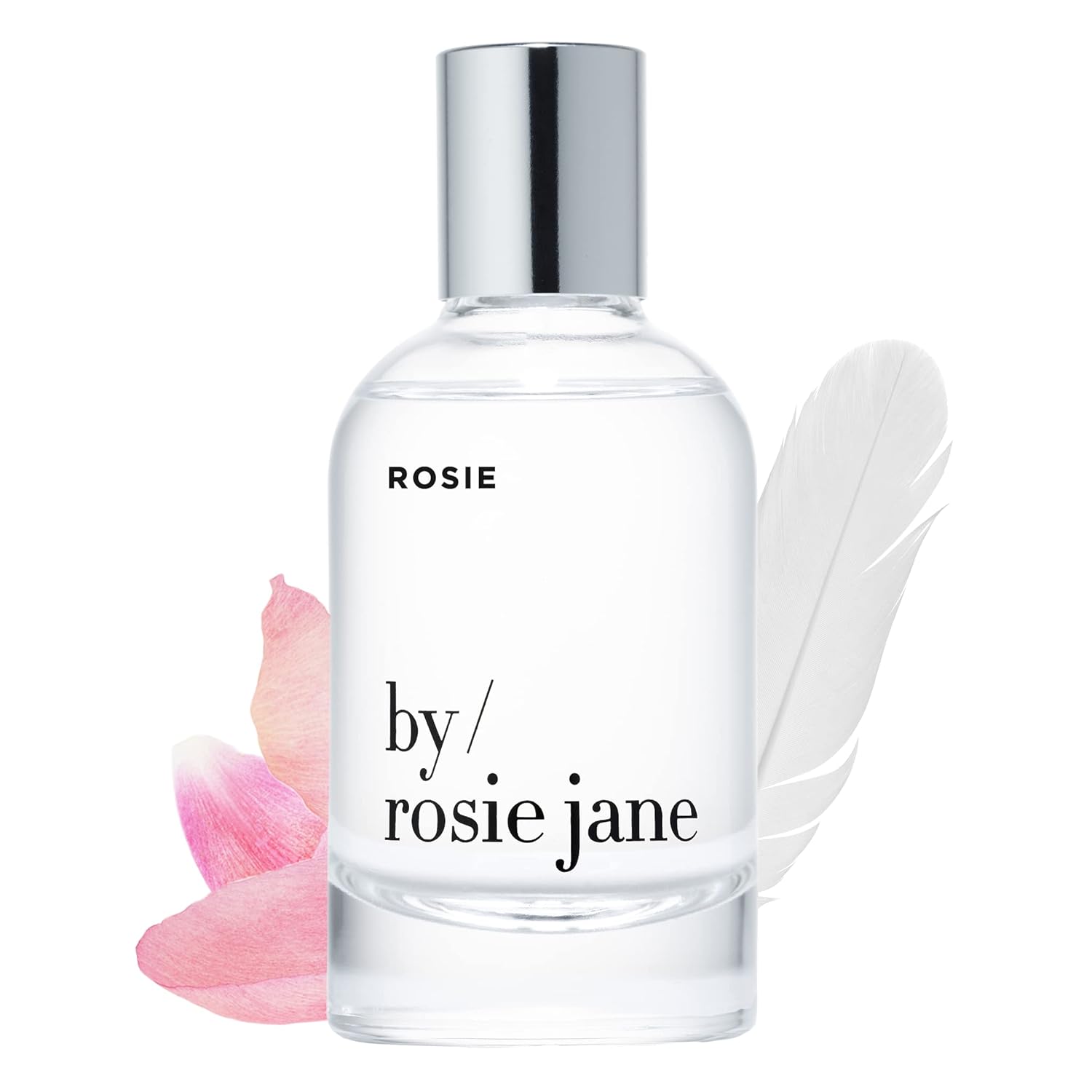
The signature: Rosie – nude musk with pure rose essential oil
Founded by celebrity makeup artist Rosie Jane Johnston. These oils are blended into organic fractionated coconut oil, making them feel like a luxurious body product.
The experience: Applied in the morning, “Rosie” feels invisible until your body warms. As it does, the coconut base blooms into a cozy, warm floral. It’s the definition of a “skin scent”—intimate and personal.
Secondary recommendation: Dulce – for vanilla lovers. Vanilla, brown sugar, hinoki wood, amber. Creamy without being cloying.
Price range: $29–$80 depending on format
Kuumba Made: Maximum Value and Longevity
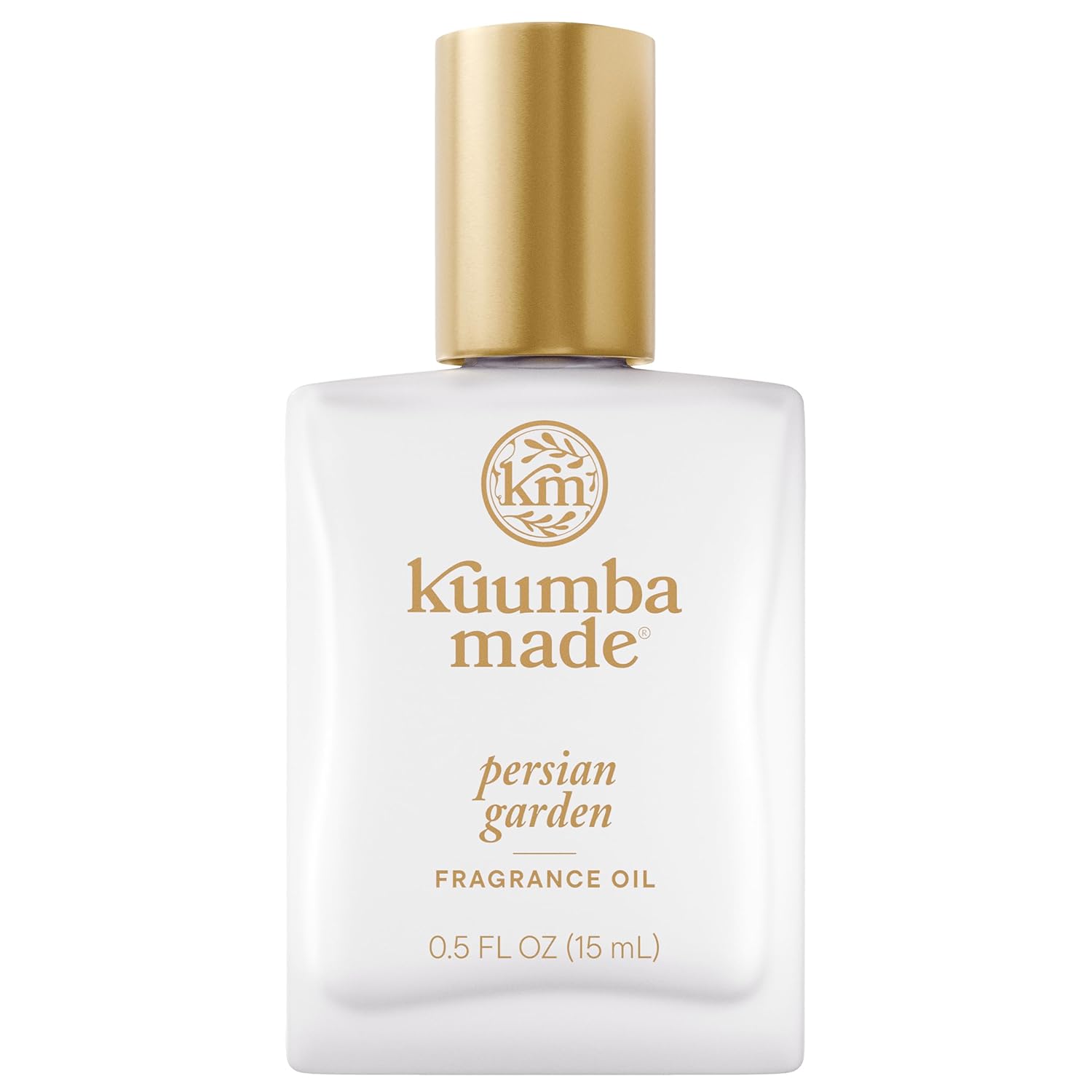
The product: Amber paste
If you want pure resin without the markup, this is it. The formula is essentially a honey-thick, concentrated amber base. Because there’s minimal alcohol, longevity is extreme—users report 24+ hour wear.
Who this is for: Amber enthusiasts. Anyone who wants “set and forget” scent performance. People who prefer intimate, skin-close fragrances.
The experience: Warm, resinous, slightly sweet. Doesn’t project far, but builds complexity as your skin warms it.
Price range: $12–$20
Abel: 100% Natural Luxury
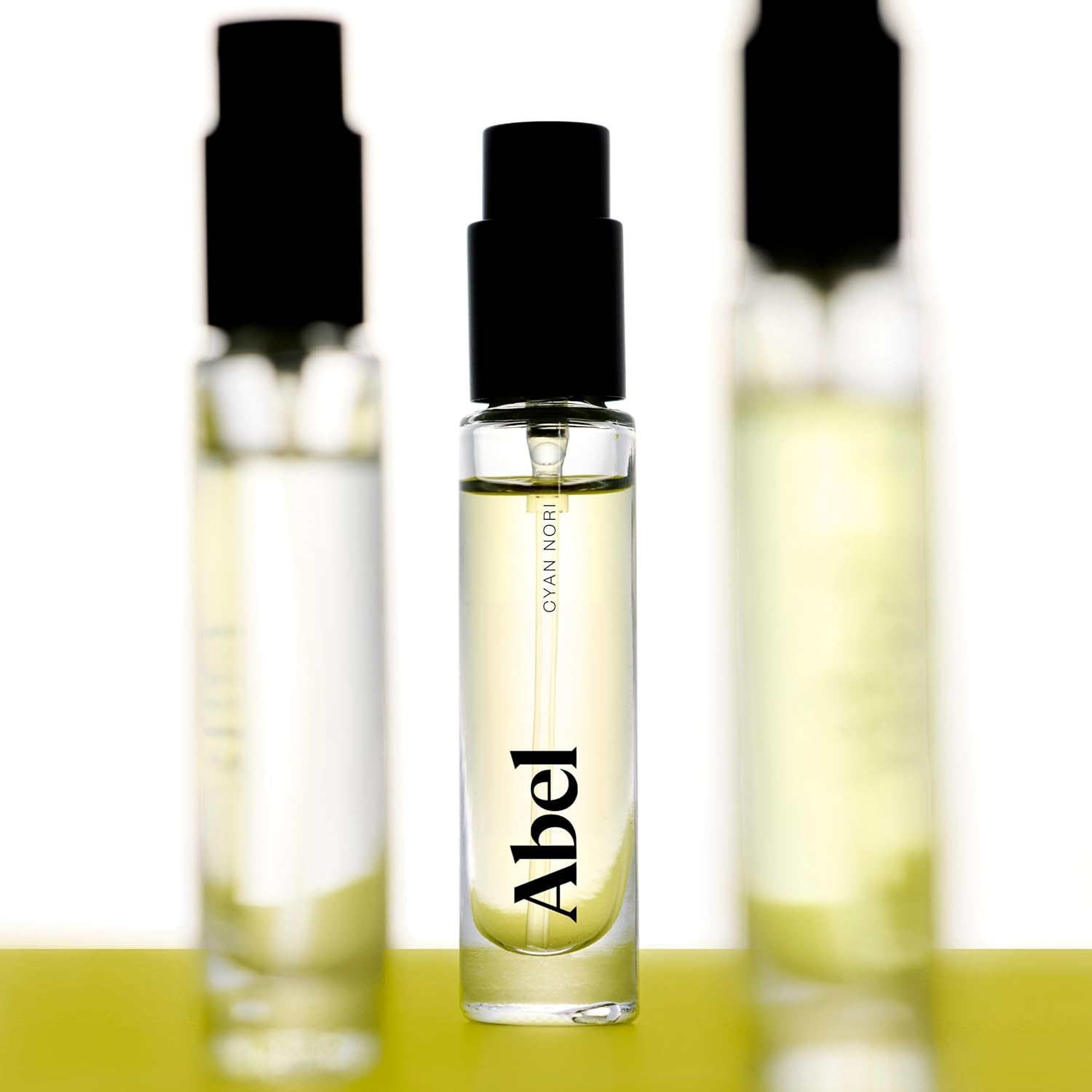
The standout: Cyan Nori – tangerine, white peach, plant-derived musk, nori
The brand uses biotech-derived isolates and upcycled materials rather than conventional extraction. This allows them to deliver high performance without petrochemicals.
Cyan Nori specifically: Called an “It-Girl Fragrance” in major publications. It’s a salty-sweet aquatic with unexpected depth from the nori (seaweed) note.
Secondary recommendation: Green Cedar – magnolia, cardamom, cedarwood. Grounding and aromatic.
Price range: $130–$180 for full-size bottles
Making Natural Perfume Last: Three Application Techniques
The Lipid Anchor Method
Botanical oils evaporate quickly on dry skin because your skin absorbs the carrier oil, leaving scent molecules exposed to air.
The fix: Apply an unscented natural lotion or carrier oil (jojoba, coconut, or sweet almond) to the application area first. This creates a “lipid anchor” that slows evaporation and extends longevity by 2–4 hours.
Strategic Pulse Points
High-heat areas accelerate the “bloom” of botanical oils:
- Wrists (inner side)
- Inner elbows
- Behind the knees
- Décolletage (if skin is not sensitive)
Skip the neck. Apply instead to these areas where heat naturally activates the scent.
Critical rule: Don’t rub your wrists together. Friction-based heat “crushes” delicate top notes and disrupts the natural scent phases. Let the fragrance sit and develop.
Layering for All-Day Presence
Natural oils lack synthetic fixatives, so layering different formats amplifies longevity:
- Use a scented body wash from the same brand (activates olfactory memory)
- Apply a matching body lotion or oil to pulse points
- Layer the perfume oil on top
- (Optional) Use the brand’s Eau de Parfum spray on clothing or hair
This multi-step approach builds a signature scent that lasts all day without requiring reapplication.
The Environmental and Health Case for Switching
Synthetic fragrances contain persistent organic pollutants (POPs) that don’t break down in wastewater treatment. They contaminate rivers and harm aquatic life. Brands like Abel and Maison Louis Marie use biodegradable ingredients and eco-conscious packaging (FSC-certified wood caps, recyclable glass).
For your body: Natural oils don’t bioaccumulate. They’re metabolized and cleared rather than stored in tissue. Your endocrine system isn’t managing chronic chemical load.
Which Natural Perfume Is Right for You?
The Switch From Synthetic to Natural
The transition requires a mindset shift. Natural perfumes aren’t “stronger” or “louder.” They’re quieter, more personal, and evolve on your skin over hours.
You won’t turn heads walking into a room. But you will receive compliments from people standing close—the real indicator that a fragrance is working.
You won’t smell the same from morning to night. That’s the point. Natural oils are alive, reactive, and uniquely yours.
And you won’t absorb endocrine-disrupting chemicals through the thinnest skin on your body. That’s worth the adjustment period.
The bottom line: Stop spritzing undisclosed petrochemicals onto the skin above your thyroid. Start using fragrances engineered around your body’s biology instead of shelf stability. Your skin, your hormones, and the environment will thank you.
Note: This article is for informational purposes. Consult a dermatologist if you have specific skin sensitivities or health concerns.
Dora Decora is a biophilic interior design specialist and passionate blogger. With a deep commitment to integrating nature into living spaces, Dora specializes in creating environments that foster human-nature connections through thoughtful design elements. Her approach emphasizes sustainable materials, natural lighting, and organic patterns that enhance wellbeing and reduce environmental impact.
This post (https://homechroma.com/best-all-natural-perfume) was originally published by Dora Decora on Home Chroma. As an Amazon Associates partner, we are compensated for all qualifying purchases.