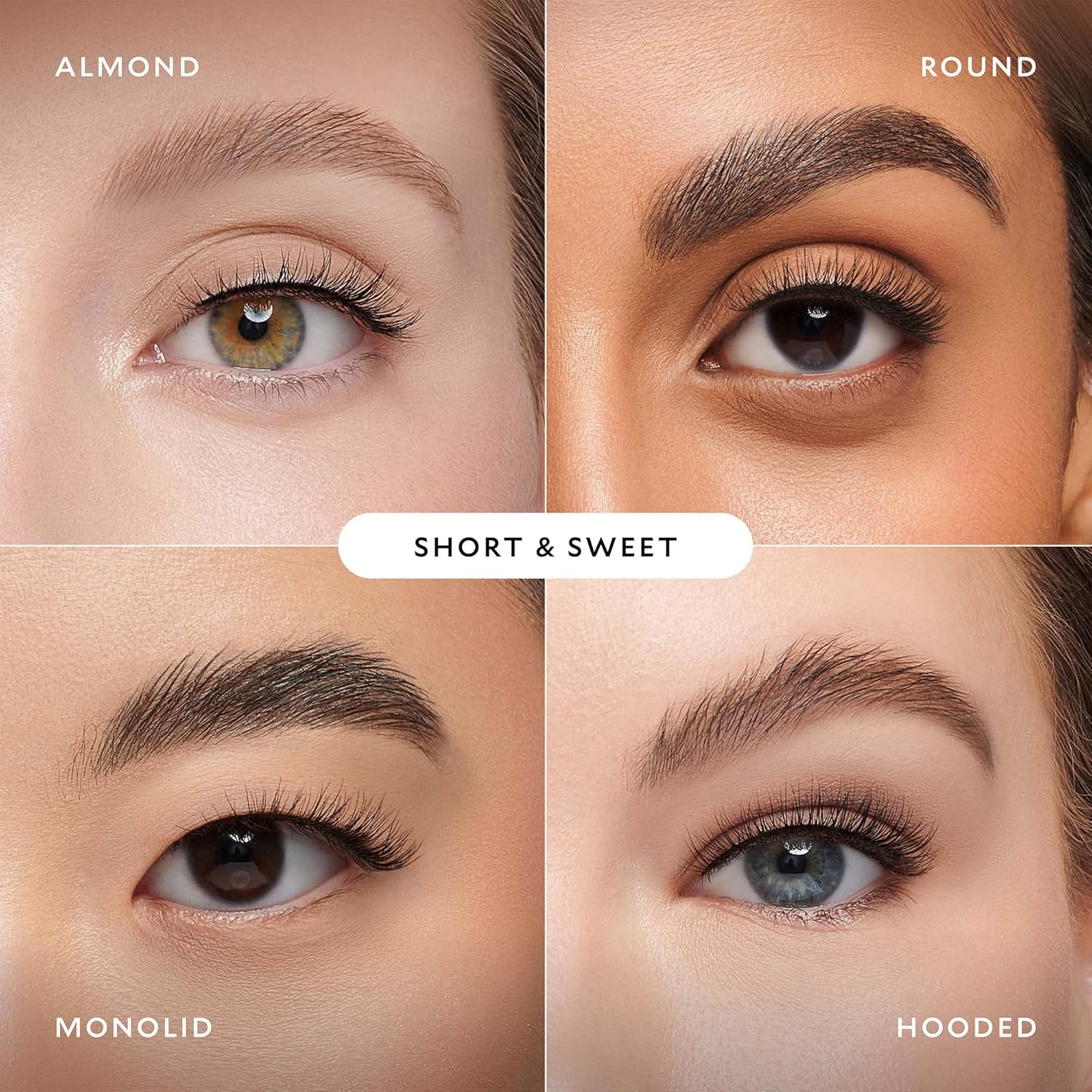
 The lash cluster industry markets itself as damage-free. Convenient. A way to get salon-quality lashes at home without the commitment of traditional extensions or the mess of liquid glue.
But here’s what they don’t tell you: your follicles don’t know the difference between “no-glue” and traditional adhesive. They only feel the weight, the tension, and the daily mechanical stress.
By 2026, the DIY lash market is approaching a billion-dollar annual valuation. Simultaneously, dermatologists are seeing a secondary epidemic of traction alopecia—permanent lash loss caused by clusters.
This isn’t a fear tactic. It’s biology.
If you’ve been wearing lash clusters and you’re noticing changes to your natural lashes, this article reveals exactly what’s happening—and what you can do about it.
The Lash Growth Cycle: Why Clusters Cause Hidden Damage
Your eyelashes aren’t permanent fixtures. They grow in phases, shed naturally, and regrow in a 4-to-11-month cycle. Understanding this is critical because clusters interrupt this cycle in ways that look invisible until the damage is already done.
The three phases of lash growth:
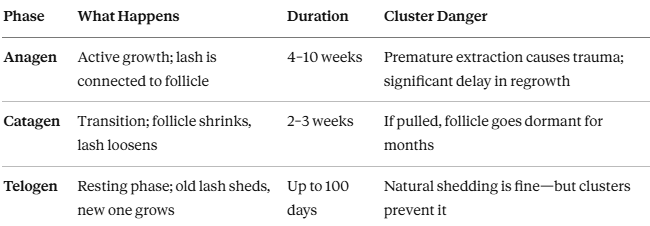
Here’s the problem: clusters don’t care which phase your lashes are in. They bond multiple lashes together into a single unit. So when one lash naturally sheds during the telogen phase, it gets stuck to the cluster, which is anchored to living lashes still in the growth phase. As that dead lash tries to fall, it pulls the growing ones with it.
This is called “bridging.” It’s mechanical stress at the follicle base. Repeat this daily for months, and the follicle eventually stops producing lashes entirely.
The 6 Warning Signs Your Clusters Are Destroying Your Follicles
These aren’t symptoms that appear overnight. They’re the body’s way of telling you the damage has been building.
Sign #1: Excessive Shedding Beyond Normal
A healthy lash line sheds 2 to 5 strands per day. That’s normal, expected, biological.
If you’re noticing clusters falling out in clumps—or excessive shedding when you cleanse—that’s a red flag. Lashes that should last 60 to 90 days falling out in 2 to 3 weeks means the follicles are being pulled prematurely. The natural growth pattern gets disrupted, and lashes never reach full length.
Sign #2: Visible Thinning and Sparse Areas
Healthy lash lines have even density. Look for gaps, uneven distribution between eyes, or areas where lashes are noticeably finer than surrounding ones.
These “bald spots” are the hallmark of traction alopecia. The weight of clusters has literally exhausted the follicles in that specific region. Once a follicle stops producing lashes, reactivating it takes months and aggressive intervention.
Sign #3: Structural Breakage and Snapped Shafts
Inspect individual lashes under magnification. You’re looking for:
- Multiple lengths within the same growth phase (they shouldn’t vary)
- Frayed or split ends
- Crimped, kinked, or bent lashes
This happens because the rigid base of the cluster acts as an anchor. Every blink, every night of sleep, every eye rub transfers force to the hair shaft, causing it to snap mid-way down. The lash shaft isn’t designed to handle this rotational stress.
Sign #4: Chronic Inflammation and Periocular Irritation
The skin along your lash line is delicate. Signs of inflammation include:
- Persistent redness
- Swollen or puffy eyelids
- Small bumps at the lash roots
- Recurring eye irritation
The “no-glue” adhesives used in clusters remain tacky. That stickiness becomes a debris trap—oils, makeup residue, bacteria all get caught against the follicle. This triggers blepharitis (inflammation of the eyelid) and chronic irritation that disrupts the follicle’s ability to produce healthy lashes.
Sign #5: Anomalous Growth Patterns and Misdirection
Healthy lashes grow in a consistent upward curve. Follicle damage causes irregular patterns:
- Lashes growing at odd angles
- Inconsistent growth rates
- New lashes appearing weak or sparse
- Lashes that “straighten” or “curl” differently than before
When the internal structure of the follicle is being distorted by constant pulling, the hair that emerges is confused about which direction to grow.
Sign #6: Texture and Pigmentation Alterations
Changes in the physical properties of your lash hair signal nutritional or chemical stress. Warning signs:
- Brittle, straw-like, or excessively limp texture
- Discoloration (yellowing, lightening, reddish tints)
- Lashes that feel fragile or weak
This indicates chemical damage to the hair shaft or a reaction to product buildup that’s seeped into the follicle.
The Best No-Glue Lash Clusters: What Actually Works
Not all no-glue systems are created equal. Here’s a comparison of the top performers in 2025–2026:
1. KISS imPRESS Press-On Falsies

KISS imPRESS uses pressure-sensitive pre-bonded technology that requires no drying time. You’ll get 20–30 clusters per pack for $11–$15. The product rates 3.8/5 and works best for budget-conscious buyers who want fast application with zero setup.
2. Velour Effortless
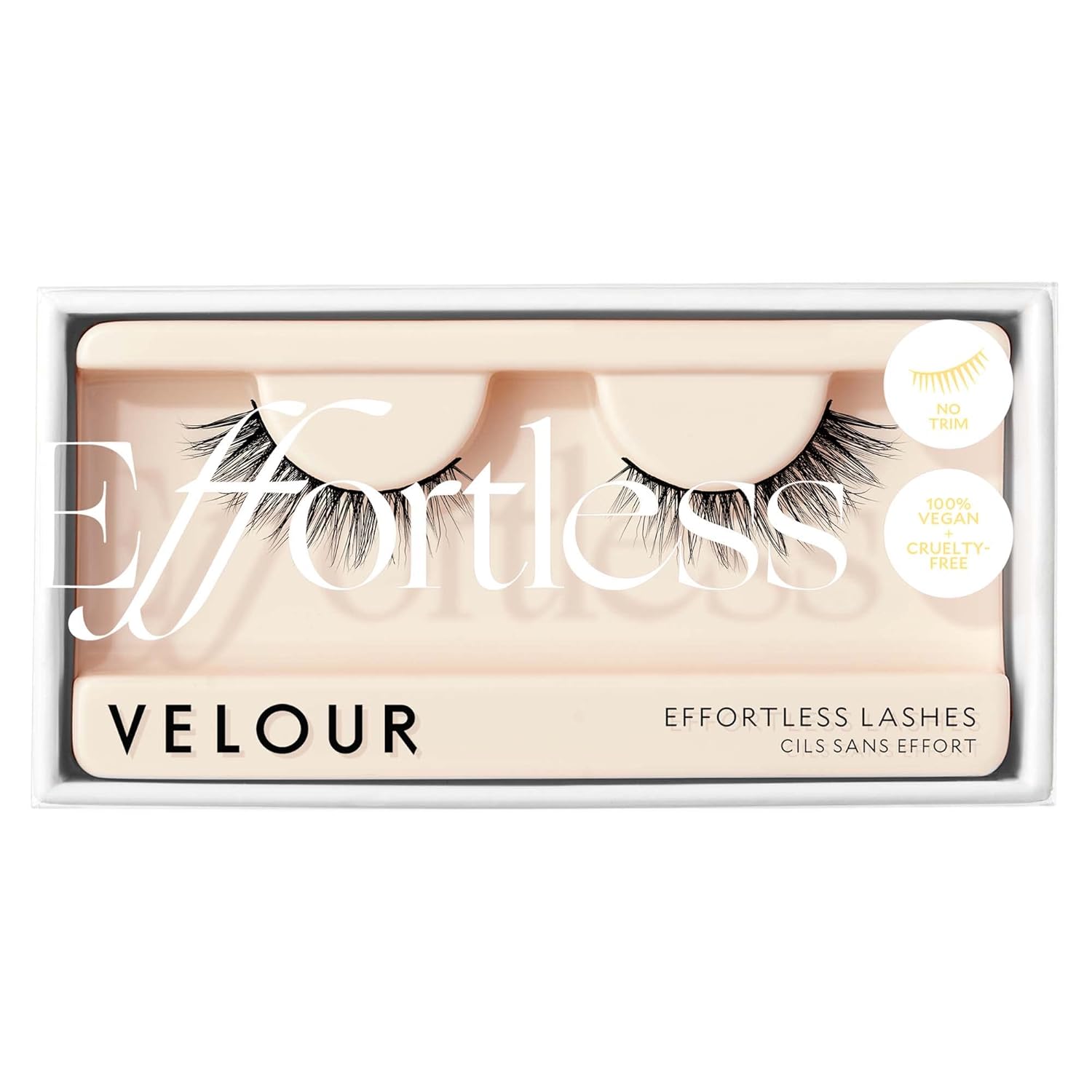
Velour Effortless features hypoallergenic pre-glued strips designed for sensitive eyes. A single pair costs $24–$28 and is reusable for 25+ applications. With a 4.6/5 rating, it’s dermatologist-approved and perfect for contact lens wearers who need reliable, irritation-free wear.
3. QUEWEL Magnetic (A06)
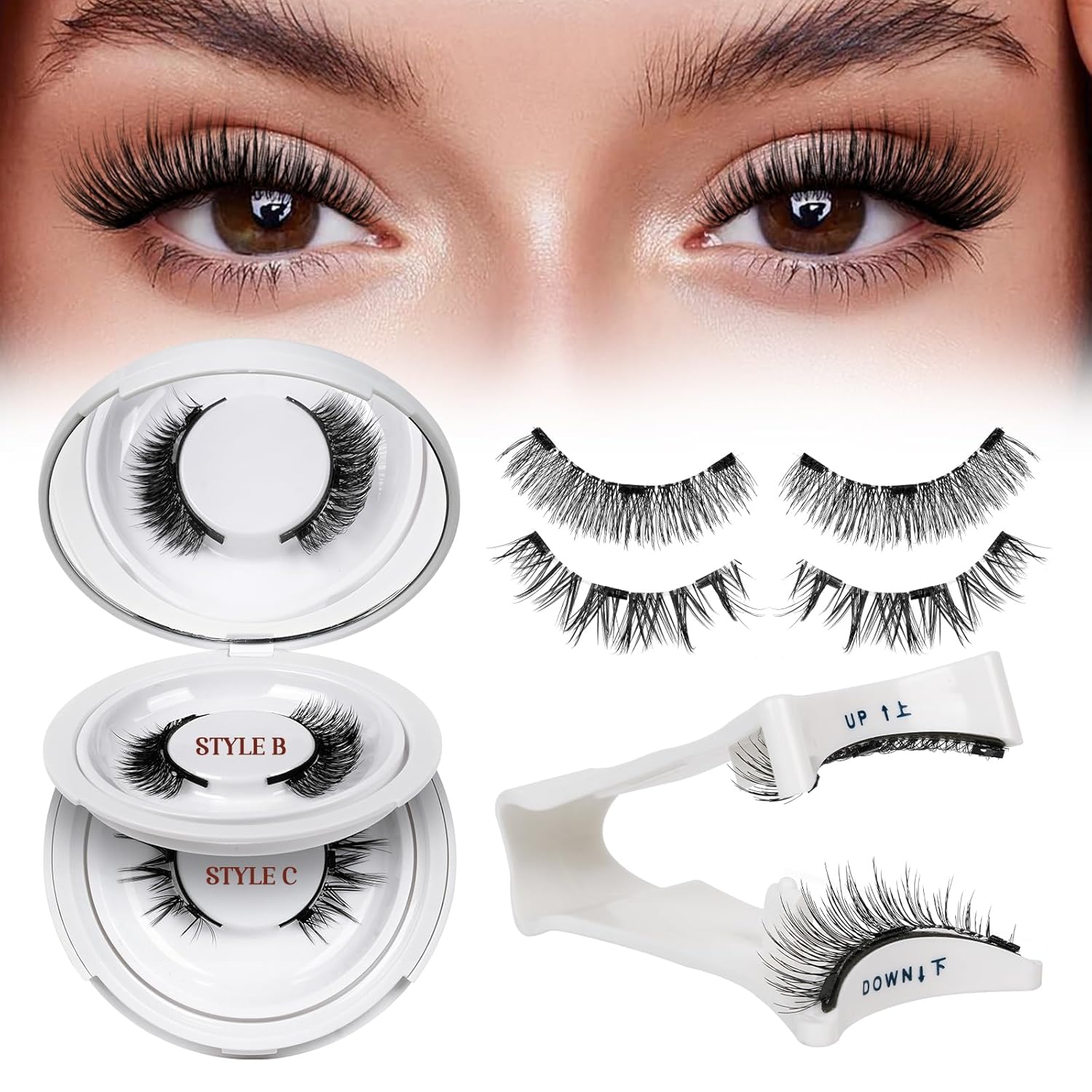
QUEWEL replaces adhesive entirely with magnetic strip technology. You’ll pay $9–$12 for 1–2 pairs that deliver 8+ hours of waterproof wear. Rated 4.2/5, this is the go-to for anyone wanting a chemical-free option with the longest possible wear time.
4. Clione Prime WOW Lash
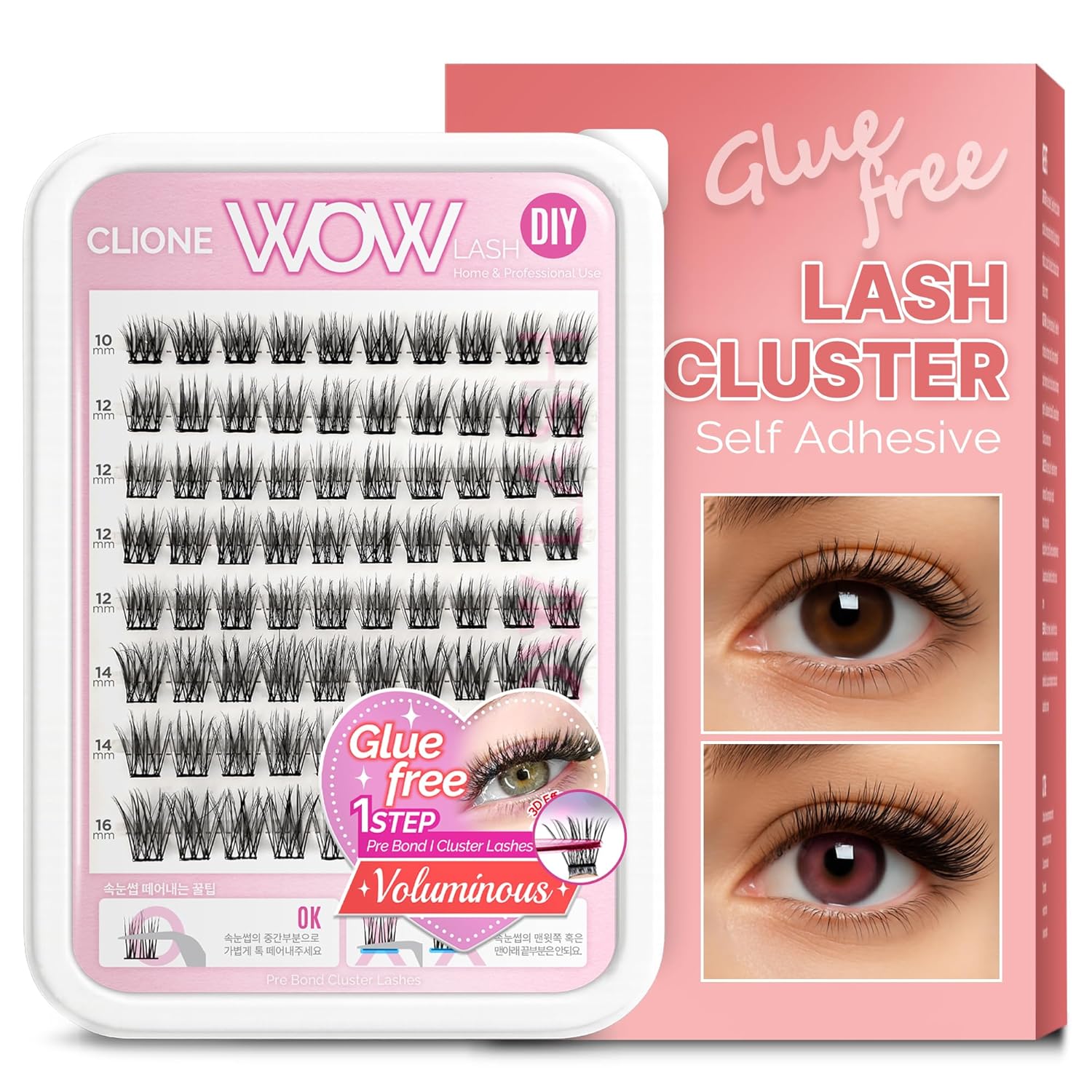
Clione Prime WOW Lash uses self-adhesive clusters that come in multi-packs priced $10–$13. The 4.4/5 rating reflects its waterproof durability and extended 5-day wear capability. It’s ideal if you want clusters that can handle daily life without reapplication.
5. AMZGIRL/KevKev Cloudy
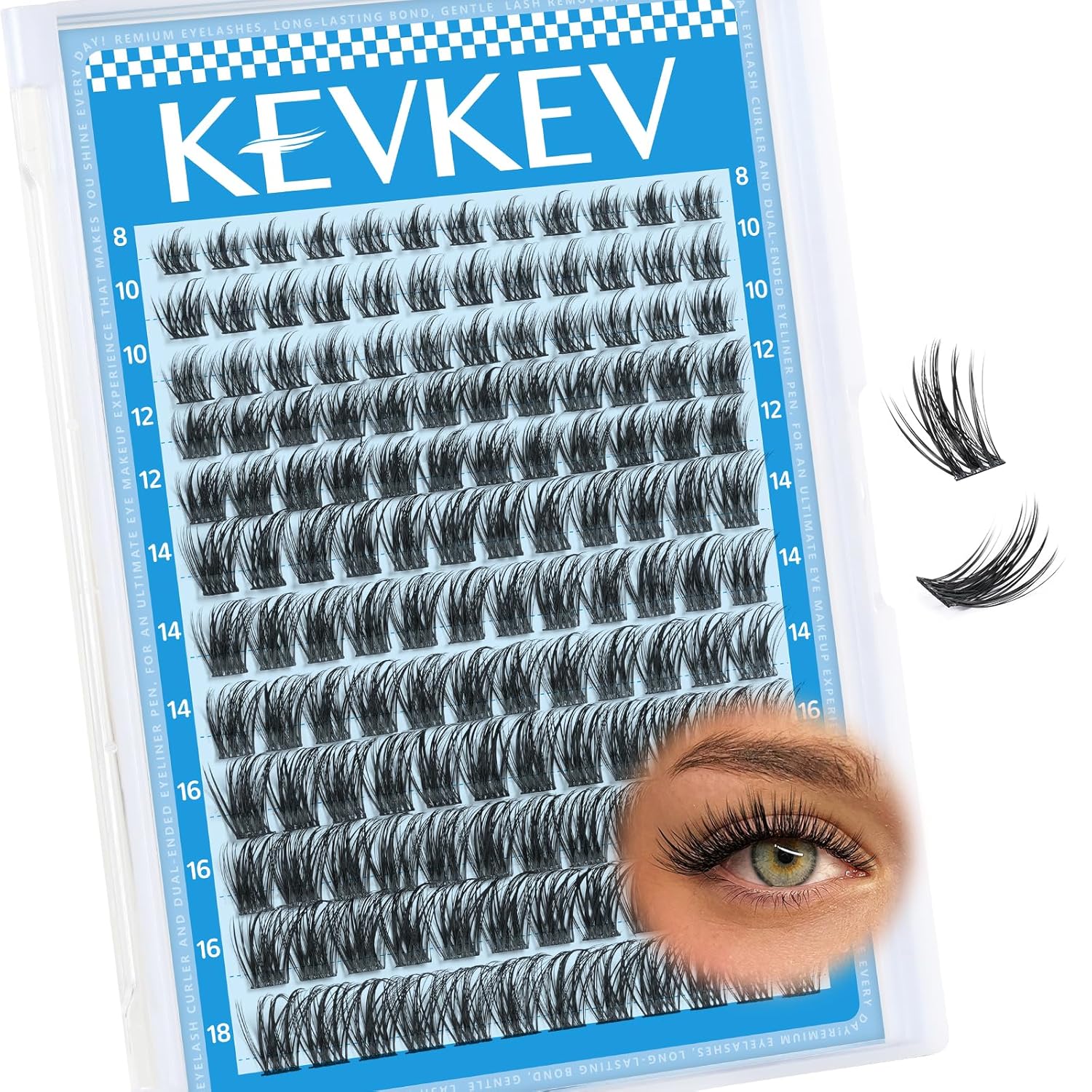
AMZGIRL/KevKev Cloudy offers DIY under-lash clusters with 120–280 pieces per pack for $10–$14. At 4.4/5 stars, it delivers budget-friendly pricing and wispy, natural styles perfect for enthusiasts who prefer building their own custom lash sets.
What each technology does:
Pressure-Sensitive Adhesive (KISS imPRESS)
- Pre-applied to the cluster base
- No drying time; takes seconds to apply
- Issue: adhesive degrades with age; many users report “dud” boxes where adhesive has dried out
- Better for short-term wear only
Hypoallergenic Pre-Glued (Velour)
- Medical-grade silicone adhesive
- Designed for contact lens wearers
- Reusable 25+ times
- Premium pricing is justified by zero irritation and longevity
- Best option for sensitive eyes
Magnetic Systems (QUEWEL, BY SABRINA)
- Zero chemical adhesive
- Held in place by magnets
- QUEWEL: full-strip magnetic; 8+ hour hold
- BY SABRINA: modular magnetic segments; choose placement to reduce weight on lash line
- Most follicle-safe option available
Self-Adhesive Clusters (Clione Prime)
- Pre-bonded; waterproof
- 3-5 day wear per application
- Middle ground between daily wear and multi-week extension
Why Removal Is Where Most Damage Happens
You can wear the safest cluster on the market and still destroy your follicles if you remove them wrong.
Peeling off clusters when the adhesive hasn’t fully released is the primary cause of lash extraction. The clinical consensus is clear: improper home removal is the biggest culprit in traction alopecia cases.
The 2026 removal protocol (follicle-safe method):
- Chemical Release – Soak a cotton pad in a coconut-oil-based lash remover or specialized solvent
- Saturate – Press the pad against the lash line for 30–60 seconds; let the solvent penetrate the bond
- Slide, Don’t Pull – Gently slide the clusters downward; if there’s resistance, re-saturate (never force)
- Residue Cleanse – Use micellar water to remove lingering oils or adhesive bits that could clog follicles
The key: patience. Rushing this step is where lashes get yanked out prematurely.
How to Wear Clusters Without Destroying Your Follicles
If you want to continue wearing lash clusters without sacrificing your natural lashes, follow these evidence-based practices:
Architectural choices:
- Prioritize lightweight synthetic silk or Korean PBT fibers
- Choose shorter clusters (8–12mm); they exert less rotational force
- Mix lengths in a “lash map” (12mm outer corners, 8mm inner corners) to mimic natural patterns
- Avoid thick, knotted clusters with high density (40D, 70D)
Hygiene protocol:
- Schedule at least one “clean lash day” per week (no clusters, no heavy mascara)
- Use a foaming lash-safe cleanser daily to keep follicles free of bacteria and oils
- Remove clusters nightly if possible; daily removal dramatically reduces debris buildup
Lifestyle adjustments:
- Sleep on silk or satin pillowcases to reduce friction and pulling during sleep
- Avoid mechanical lash curlers during wear and recovery phases
- Don’t rub eyes aggressively
Recovery Timeline If Your Follicles Are Already Damaged
If you’re seeing the warning signs, follicle recovery is possible—but it takes time.
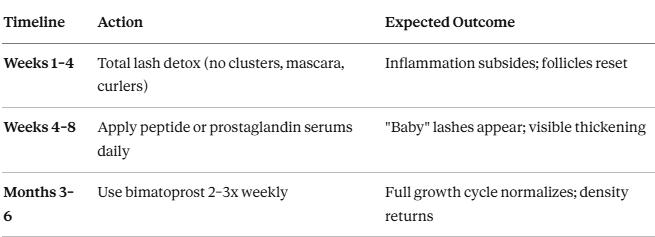
The timeline depends on severity and the phase your lashes were in when damaged. Worst case: 11 months for a complete growth cycle. But most people see noticeable improvement within 8–12 weeks if they stop wearing clusters and use growth-stimulating serums.
The Bottom Line
No-glue clusters aren’t inherently “safe”—they’re just convenient. The six warning signs are your early-warning system. Catch them early and you prevent permanent damage.
Choose lightweight, well-reviewed products. Master the removal protocol. Give your lashes clean days. If damage has already started, prioritize recovery now rather than waiting for permanent follicle loss.
Your natural lashes are too valuable to risk on shortcuts.
Dora Decora is a biophilic interior design specialist and passionate blogger. With a deep commitment to integrating nature into living spaces, Dora specializes in creating environments that foster human-nature connections through thoughtful design elements. Her approach emphasizes sustainable materials, natural lighting, and organic patterns that enhance wellbeing and reduce environmental impact.
This post (https://homechroma.com/best-no-glue-lash-clusters-reviewed) was originally published by Dora Decora on Home Chroma. As an Amazon Associates partner, we are compensated for all qualifying purchases.