Your gut is sending you signals. That uncomfortable bloating after meals. The unpredictable digestive issues. The sluggish feeling that won’t quit. These aren’t random symptoms—they’re your microbiome crying out for help.
The good news? Clinical research shows you can restore healthy gut function and achieve rapid relief from occasional digestive disruption within a concentrated 14-day window. The secret lies in understanding which fermented snacks actually work and which ones make bloating worse.
Why Your Gut Health Matters Right Now
A healthy gut microbiome contributes to improved digestion, enhanced immunity, and support for a healthy weight. But everyday lifestyle factors are working against you. Chronic stress, inconsistent sleep, certain medications, lack of physical activity, and dietary shortcomings deplete your beneficial bacteria populations.
This microbial disruption—called dysbiosis—manifests as a cascade of digestive complaints, prominently including bloating and discomfort.
Here’s what happens: your gut bacteria become imbalanced. The bad bacteria outnumber the good. Gas production increases. Your digestive system struggles. And that uncomfortable bloating becomes your new normal.
But you can reverse this—fast.
The Science Behind Fermented Foods (And Why Most People Get It Wrong)
Food fermentation as a source of health benefits dates back to early proponents like Élie Metchnikoff, who linked the consumption of soured milk by Bulgarian peasants to their purported longevity. Today, we understand the mechanism: probiotics are beneficial bacteria that reside in your gastrointestinal tract and are associated with positive health outcomes.

Research indicates that probiotics may offer assistance in managing certain forms of diarrhea, irritable bowel syndrome (IBS), infant colic, and periodontal disease.
Understanding the Three Types of Gut-Healing Compounds:
- Probiotics: Live beneficial bacteria that replenish your gut microbiome
- Prebiotics: Non-digestible fibers that feed your beneficial bacteria
- Postbiotics: Beneficial compounds produced during fermentation (even after the live bacteria are no longer active)
The most effective approach involves the simultaneous delivery of probiotics and prebiotics, a combination known as synbiotics. This dual action both introduces beneficial bacteria and provides the food they need to thrive.
The Bloating Connection: Why Sugar Is Your Enemy
Here’s what most people miss: bloating is triggered by the rapid fermentation of excess carbohydrates—including sugars and starches—by gut bacteria, leading to the production of gas (acids and gaseous byproducts).
This creates a paradox: any truly “healthy fermented snack” marketed for anti-bloating effects must be inherently low in residual fermentable carbohydrates.
During traditional fermentation, natural bacteria or yeast consume the sugars present in the food, converting them to organic acids. This is what makes traditional sauerkraut and kimchi so effective—most of the original carbohydrates have already been consumed by the fermentation process.
Foods to Avoid During Your Gut Reset:
- Sweetened yogurts and kefirs
- Flavored probiotic gummies with added sugar
- Fruit-based products with high sugar content
- Products with honey, agave, or high-fructose corn syrup
These sugar-laden products provide fuel for rapid fermentation by all gut flora, exacerbating the gas and bloating you’re trying to resolve.
Category 1: Refrigerated Fermented Vegetables (The Gold Standard)
Unpasteurized fermented vegetables like sauerkraut and traditional kimchi represent the gold standard for naturally occurring probiotics, offering high microbial diversity.
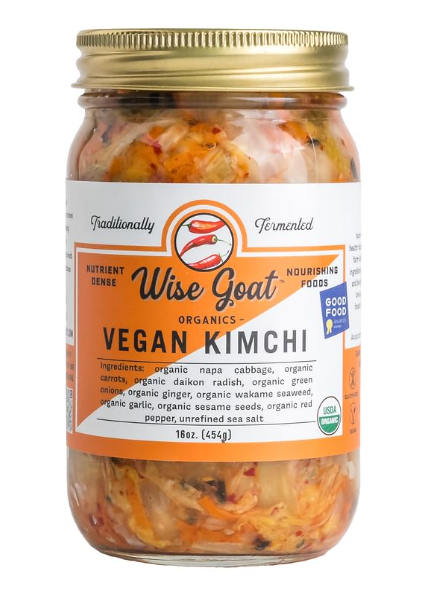
Certified Organic, Raw, Vegan Kimchi [click to view…]
Why These Work:
Cabbage ferments possess some of the highest microbial diversity observed in fermented foods and are naturally low in sugar because the fermentation process has consumed the carbohydrates, making them highly effective anti-bloating snacks.
What to Look For:
- Unpasteurized: Heat kills beneficial bacteria. The label should say “raw” or “unpasteurized”
- Refrigerated: Live cultures require cold storage
- Simple ingredients: Salt, vegetables, spices—nothing more
- No vinegar: Vinegar-preserved pickles don’t contain live cultures
Top Refrigerated Options:

Real Fermented & Probiotic Sauerkraut [click to view…]
Traditional sauerkraut (just cabbage and salt) provides the most microbial diversity. Brands specializing in traditional, lab-verified fermentation offer unpasteurized vegetables like fermented okra and spicy fermented green beans.
Fermented vegetable brine shots provide an easy way to consume probiotics and digestive enzymes without the bulk of the fiber, a major advantage for individuals with acute digestive sensitivity.
Critical Warning: Any variety sold in shelf-stable cans or jars has likely been pasteurized, eliminating the beneficial probiotic strains.
Category 2: Shelf-Stable Fermented Snacks (Convenience Meets Science)
The challenge with refrigerated products? They require consistent cold storage from manufacturer to your home. The logistics constraints of standard Amazon shipping make engineered shelf-stable options the most reliable choice for consistent dosing.
Probiotic Fruit Bites

Nature’s Garden Probiotic Mixed Berry Yoggies [click to view…]
Leading brands utilize a patented microencapsulated delivery system that allows probiotics to remain shelf-stable and protects them as they transit the acidic stomach environment.
Certain probiotic fruit snack lines deliver 2 billion microencapsulated Lactobacillus probiotics per serving, confirming reliable, shelf-stable probiotic delivery suitable for Amazon sales channels.
What to Check: Read labels carefully for added sugars. Some flavored versions contain unnecessary sweeteners that could exacerbate bloating.
Fermented Nuts: The Postbiotic Powerhouse

Gut Nuts – Fermented and Sprouted “Sourdough” Almonds [click to view…]
Here’s where innovation meets gut health. Philosopher Foods has created something unique: the world’s first fermented and dehydrated nuts.
Philosopher Foods Gut Nuts offer a shelf-stable solution with impressive benefits:
Compared to unfermented almonds, Gut Nuts provide 2x the B vitamins, 9x the antioxidants, and 41% less phytic acid, making them easier to digest and less likely to cause bloating.
How It Works:
These nuts are fermented with live probiotics for 10 days, then dehydrated to achieve shelf stability. This renders the probiotics inanimate but creates postbiotics—beneficial compounds produced during fermentation that remain in the product.
The healthful compounds produced while the bacteria were alive, including bioactive components released during fermentation, have health benefits including 8-9x more antioxidants and lactic acid that can promote increased microbial diversity in your gut.
Key Benefits:
- Just 6g net carbs per serving
- Low sugar formulation
- Tangy, umami, savory flavor (no added sweeteners)
- Shelf stable for at least 24 months from production date
- Available in almonds, cashews, and peanuts
- Keto and paleo friendly
The reduced phytic acid (41% less) means you don’t get “Nut Gut”—that heavy, bloated feeling after eating too many nuts.
High-Potency Supplements
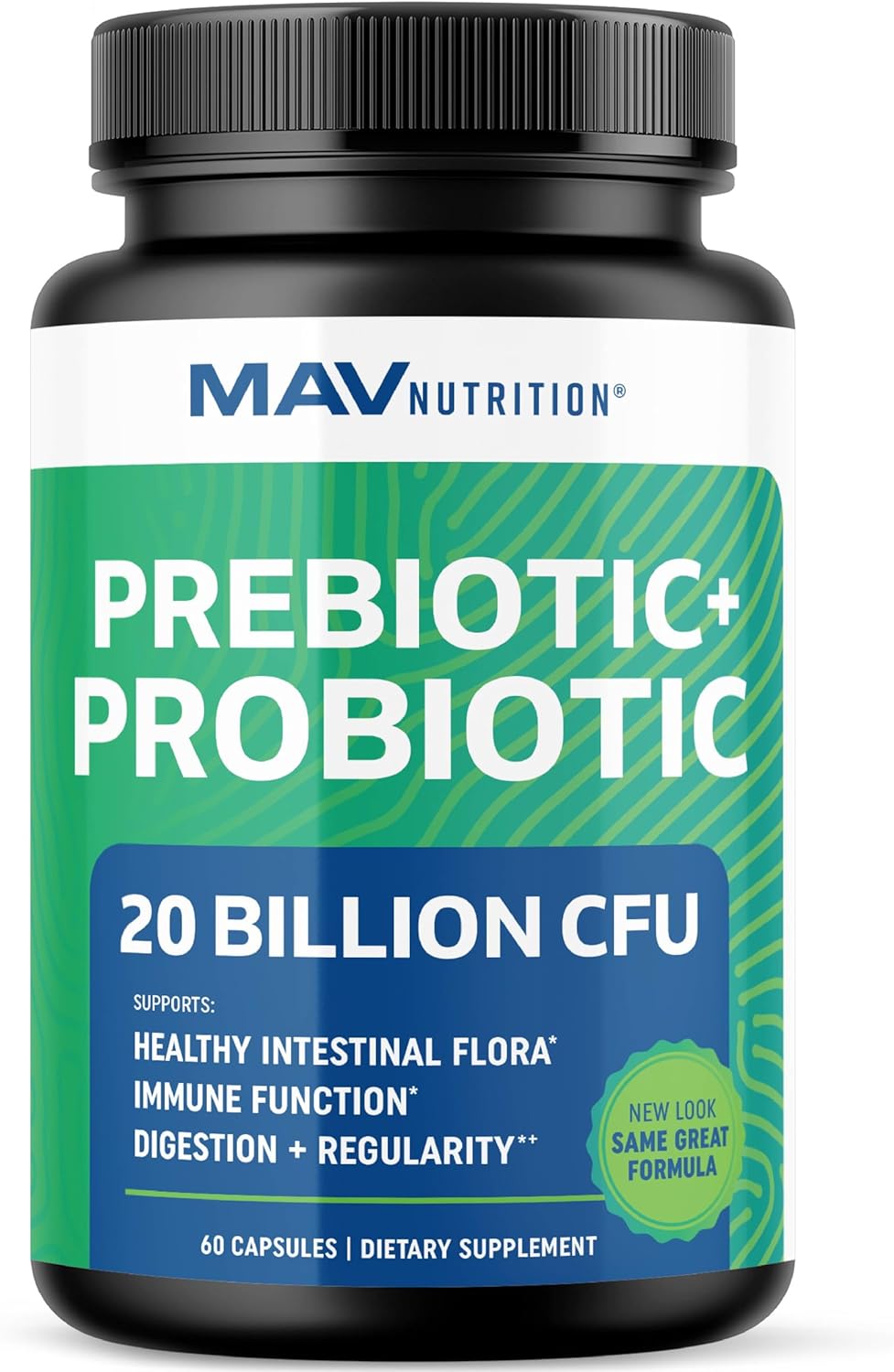
Prebiotics and Probiotics for Women & Men [click to view…]
While not a traditional “snack,” high-potency supplements play a crucial role in your 14-day reset. Products providing 10 billion CFUs across multiple clinically selected probiotic strains support both immune and digestive health.
Category 3: Dehydrated Products (Use With Caution)
Any temperature above approximately 105°F (40.5°C) compromises or kills active cultures. This means most dehydrated fermented products, while useful for seasoning or adding fiber, should not be relied upon as a primary source of viable probiotics.
When to Use These:
- As flavor enhancers
- For fiber diversity
- In long-term maintenance (not during intensive 14-day reset)
Your 14-Day Gut Reset Action Plan
For maximum impact within the short timeframe, a blended strategy is necessary, prioritizing high-efficacy foundational supplements complemented by low-sugar functional snacks.
Week 1: Foundation Phase
Days 1-3:
- Start with a high-potency synbiotic capsule each morning
- Introduce 1 teaspoon of sauerkraut or kimchi with lunch
- Snack on Philosopher Foods Gut Nuts mid-afternoon (10-15 nuts)
- Monitor your body’s response
Days 4-7:
- Continue daily synbiotic
- Increase fermented vegetables to 2 tablespoons with meals
- Add probiotic fruit bites as needed
- Drink 8oz of water with each serving
Week 2: Optimization Phase
Days 8-11:
- Maintain synbiotic regimen
- Include fermented vegetables at two meals daily
- Rotate between different fermented snacks
- Try fermented pickle brine shots (1-2 oz)
Days 12-14:
- Full protocol maintenance
- Assess bloating reduction
- Note energy improvements
- Plan long-term strategy
Sample Daily Schedule:
- Morning (7 AM): High-potency synbiotic with water
- Mid-Morning (10 AM): Handful of Gut Nuts (satisfying, won’t cause bloating)
- Lunch (12 PM): 2 tablespoons unpasteurized sauerkraut alongside your meal
- Afternoon (3 PM): Probiotic fruit bite or more Gut Nuts
- Dinner (6 PM): Small serving of fermented pickles
- Evening (Optional): 1oz fermented brine shot if comfortable
Top Amazon Products for Your 14-Day Reset

Common Mistakes That Sabotage Your Results
Mistake 1: Going Too Fast
Introduce refrigerated ferments slowly, starting with a minimal dose like one teaspoon consumed with a main meal to buffer acidity. Increase gradually only if no discomfort is observed.
Mistake 2: Choosing High-Sugar Products
Many “probiotic” yogurts and supplements contain 15-20g of added sugar per serving. This feeds bad bacteria along with good bacteria, triggering more bloating.
Mistake 3: Buying Pasteurized Products
Heat is the primary enemy of live cultures. Shelf-stable canned or jarred products have been pasteurized, eliminating beneficial probiotic strains.
Mistake 4: Ignoring Ingredient Purity
High-quality products designed for therapeutic gut resets are rigorously tested by third parties for potency, purity, contaminants, and allergens, including checks for heavy metals and hundreds of pesticides. This testing minimizes inflammatory triggers that could negate probiotic benefits.
Mistake 5: Expecting Immediate Perfection
Paradoxical bloating—temporary increase in gas or discomfort—can occur when beneficial bacteria are first introduced as they metabolize existing matter. If temporary bloating becomes severe, pause snack consumption and rely solely on your foundational synbiotic capsule, then slowly reintroduce.
Beyond 14 Days: Sustaining Your Results
Your 14-day reset jumpstarts the healing process. Long-term gut health requires sustaining diversity and consistent prebiotic fiber intake.
Long-Term Strategy:
- Maintain Variety: Broaden your consumption to include plain kefir, plain yogurt labeled “live and active cultures,” miso, tempeh, and natto (fermented soy products).
- Diversify Fiber Sources: Mix different whole grains and legumes to provide varied fiber types that support different bacterial populations.
- Continue Low-Sugar Discipline: Keep sugar intake minimal to prevent feeding harmful bacteria.
- Rotate Fermented Foods: With over 5,000 different kinds of fermented products worldwide, immense diversity is available. Try new options monthly.
- Keep Convenient Options On Hand: Shelf-stable options like Gut Nuts ensure you never miss a dose, even when traveling.
The Bottom Line: Your Gut Health Action Items
You now have the roadmap to restore your gut health in 14 days. Here’s what to do right now:
- Order your foundational supplement (high-potency synbiotic with 50+ billion CFU)
- Stock your refrigerator with unpasteurized sauerkraut or kimchi
- Get shelf-stable options like Philosopher Foods Gut Nuts for convenience
- Clear out high-sugar “health” foods that are sabotaging your gut
- Start tomorrow morning with your first synbiotic dose
The 14-day window is real. The science is proven. The products are available. Your gut is waiting for you to take action.
Will you let bloating and digestive discomfort continue controlling your life? Or will you commit to 14 days of focused gut restoration?
The choice is yours. Your microbiome is ready to heal.
Dora Decora is a biophilic interior design specialist and passionate blogger. With a deep commitment to integrating nature into living spaces, Dora specializes in creating environments that foster human-nature connections through thoughtful design elements. Her approach emphasizes sustainable materials, natural lighting, and organic patterns that enhance wellbeing and reduce environmental impact.
This post (https://homechroma.com/healthy-fermented-snacks) was originally published by Dora Decora on Home Chroma. As an Amazon Associates partner, we are compensated for all qualifying purchases.