If you’ve spent an afternoon hand-threading a needle for the tenth time, manually trimming dozens of connecting threads on an embroidery project, or waiting for your machine to finish stitching while you can’t do anything else, you already know the pain point. Traditional sewing machines force you to choose between productivity and results. You either sacrifice hours of your week to tedious manual tasks, or you accept lower-quality finishes because you’re rushing.
The real cost isn’t just time, it’s money. If you’re building a sewing side business or managing production orders, every hour matters. A typical embroidery project that requires 30 minutes of stitching might demand an additional 45 minutes of manual thread trimming, design transfers, and setup. That’s nearly 2.5 hours of work per project when you factor in everything.
Smart sewing machines fix this problem through strategic automation and connectivity features. The right machine doesn’t just stitch faster and it eliminates entire categories of manual work.
What “Smart” Actually Means (And Why Most Machines Aren’t)
The term “smart sewing machine” gets thrown around loosely. To cut through the marketing language, smart features actually fall into three distinct tiers:
Tier 1: Computerization refers to basic electronic controls like LCD screens, electronic stitch selection, and internal memory. Nearly every modern machine has this. It’s table stakes, not differentiation.
Tier 2: Automation includes features that genuinely reduce hands-on work. This covers automatic needle threaders, automatic thread cutting, adjustable speed control, and jump stitch trimming. These features directly translate to time savings during production.
Tier 3: Connectivity is where true “smartness” lives. Wi-Fi capability, mobile app integration, and remote monitoring fundamentally change how you work. You can transfer designs wirelessly, edit patterns from your phone, and monitor stitching progress without standing at the machine.
Brother SE2000: The Connectivity Leader That Actually Delivers Time Savings
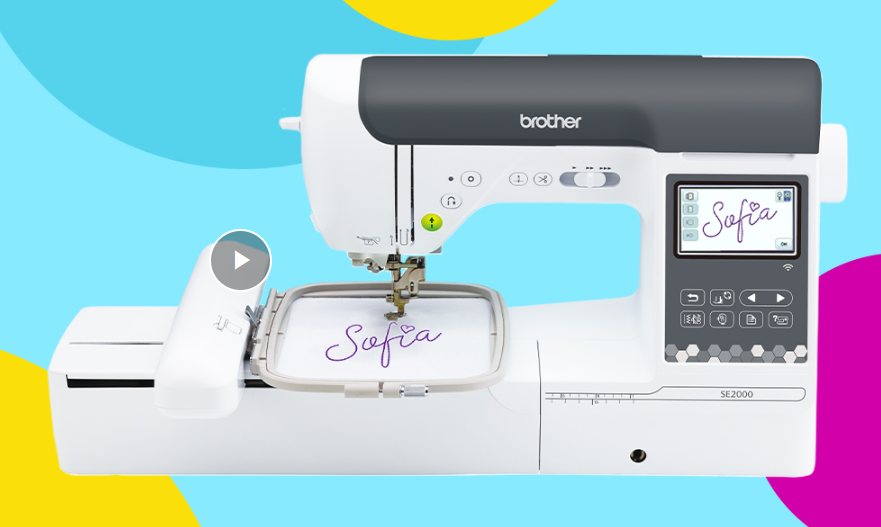
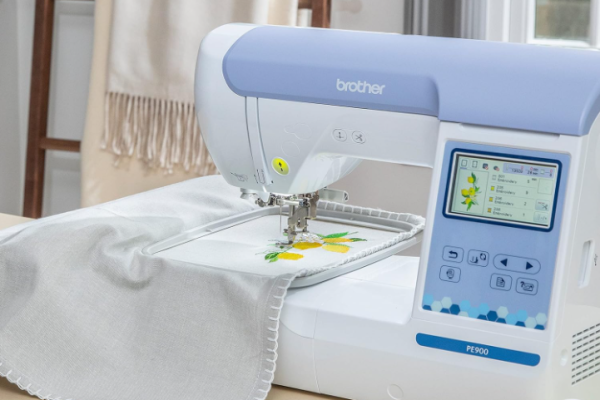
Brother SE2000 Computerized Sewing and Embroidery Machine [click to view…]
The Brother SE2000 Combo stands out because it combines all three tiers of smart features into one machine. More importantly, each feature addresses specific time-wasters in the sewing workflow.
Core Specifications:
- 241 built-in sewing stitches and 193 embroidery designs
- 5″ x 7″ maximum embroidery area (larger than most competitors)
- 850 stitches per minute for sewing, 650 spm for embroidery
- 3.7″ color LCD touchscreen
- Wi-Fi connectivity with Artspira app compatibility
- Automatic jump stitch trimming and color sort function
Where the Time Savings Actually Happen:
The jump stitch trimming feature is where you see the biggest immediate impact. On a typical multi-color embroidery project with 8-10 color changes, you’re looking at 20-30 connecting threads to trim manually. This tedious cleanup phase typically consumes 45 minutes to an hour per project. Jump stitch trimming cuts these connecting threads automatically during the stitching process. That’s one hour of manual work eliminated per project.
The automatic thread cutting (upper and lower threads) happens at the touch of a button rather than manual snipping, saving additional minutes per project. On a weekly production schedule of three projects, that’s 3-4 hours reclaimed just through these two automation features.
The Wi-Fi + Artspira integration handles another critical time drain: design transfer. Traditional machines require USB cables or memory cards. You design on your computer, save files to a USB stick, walk to the machine, insert the stick, and navigate through menus. With the SE2000, you design in Artspira on your phone or computer and send it directly to the machine wirelessly. Design revisions happen in seconds instead of minutes.
The My Stitch Monitor app enables remote monitoring of your projects. You start a 45-minute embroidery, set up notifications for thread changes and project completion, and actually step away to handle other tasks instead of standing at the machine. Over the course of a week of multi-hour projects, this reclaims significant productive time.
Advanced Color Sort reorders multi-color designs to minimize thread changes. Fewer color changes means less time spent stopping, cutting thread, and switching spools.
Time Savings Breakdown:
On average, the SE2000 saves approximately 3-4 hours per week in automation and connectivity features:
- Jump stitch trimming: 1-1.5 hours (eliminating manual thread cleanup)
- Automatic thread cutting: 0.5 hours (faster than scissors)
- Wireless design transfer: 0.5 hours (no USB/menu navigation)
- Remote monitoring: 1.5-2 hours (actual productive time recovered while machine runs)
The Trade-off: The SE2000 sits in the premium price tier, typically ranging from $900-$1,100 on Amazon USA. You’re paying for advanced automation and the connectivity ecosystem.
Brother SE700: Smart Features on a Budget
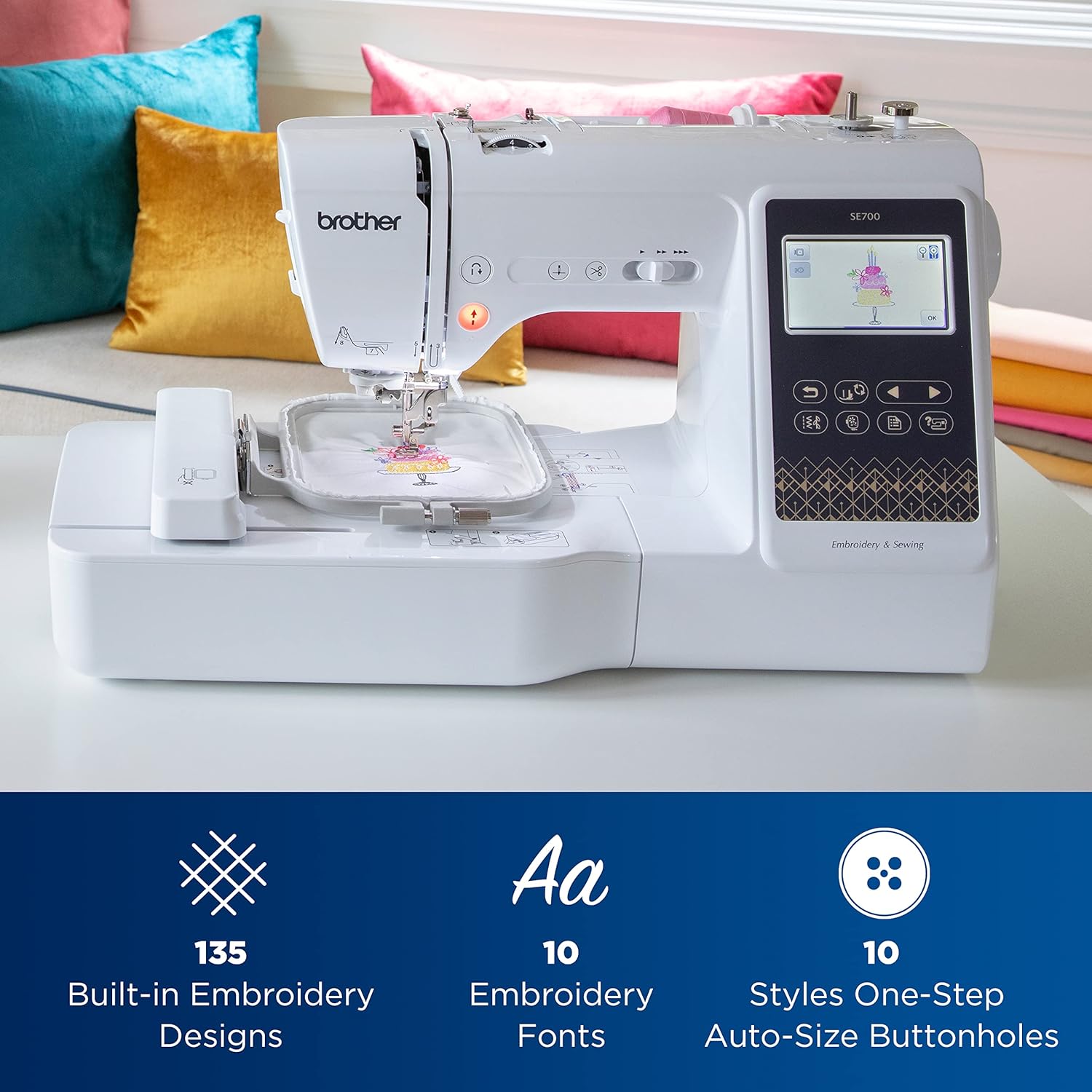
Brother SE700 [click to view…]
Not everyone needs the SE2000’s premium specifications. The Brother SE700 delivers the essential smart features—Wi-Fi connectivity and Artspira compatibility—at a significantly lower entry point ($465-$540).
What You Get:
- 103 sewing stitches and 135 embroidery designs
- Approximately 4″ x 4″ embroidery field
- Wireless design transfer
- Artspira app compatibility
- Easier setup for first-time users
What You Sacrifice:
- No jump stitch trimming (you’ll still trim manually)
- Fewer built-in designs and stitches
- Smaller embroidery area limits project size
- Limited touchscreen functionality
For beginners or hobbyists, the SE700 makes sense. You still get wireless design transfer and remote monitoring, which handle the biggest time drains. You lose the automatic thread trimming benefit, but the wireless workflow alone saves 30-45 minutes per week.
The SE700 functions as Brother’s entry point into their Artspira ecosystem. Users often upgrade to an SE2000 later, so this is a strategic way to test the connected workflow without the full investment.
For Pure Sewing: Singer Quantum Stylist 9960
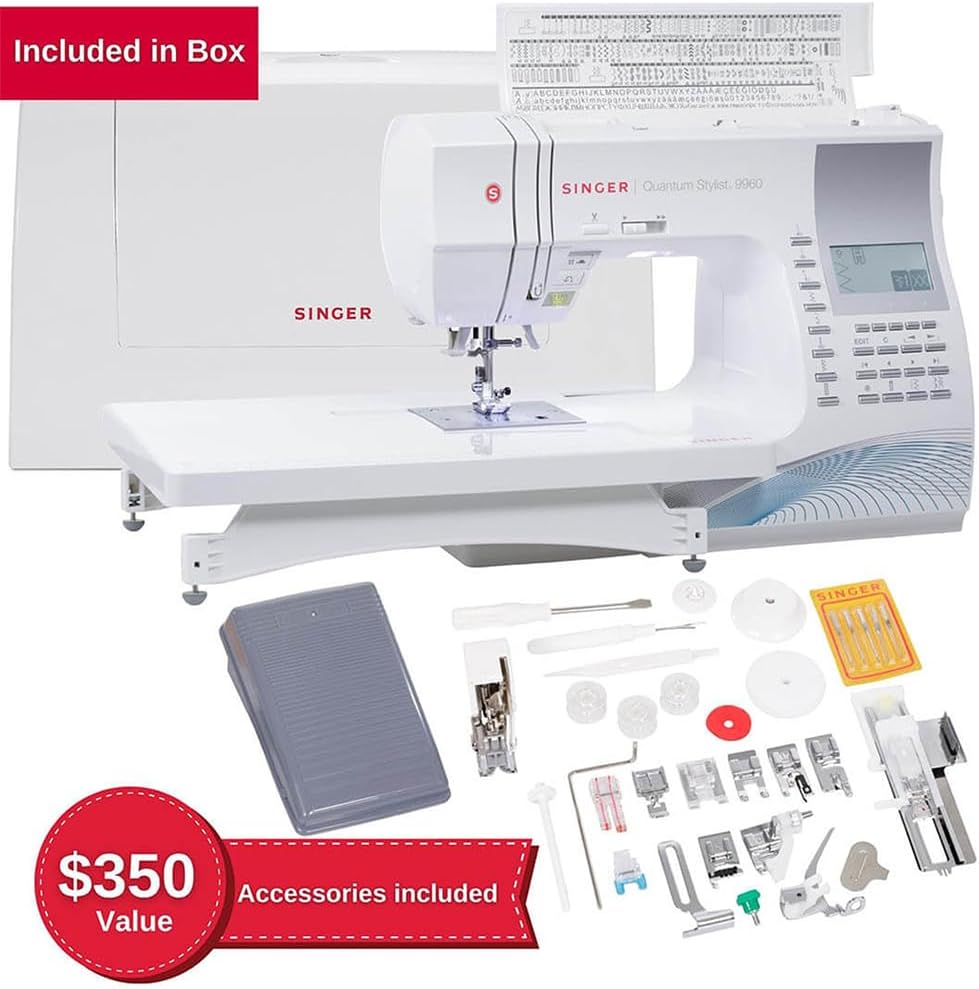
SINGER Quantum Stylist 9960 [click to view…]
If you’re focused on quilting or garment construction rather than embroidery, the Singer Quantum Stylist 9960 delivers raw feature density. This machine prioritizes mechanical automation over connectivity.
Standout Features:
- 600+ built-in stitches (industry-leading count)
- One-touch automatic thread cutter
- Electronic autopilot mode with adjustable speed
- Automatic needle stop positioning
- 13 buttonhole styles
- Five different fonts for lettering
The massive stitch library means you rarely need to search for a specific stitch. The automatic thread cutter eliminates manual snipping between seams and thread changes. For production sewing, these features save time across dozens of individual actions per garment.
Price: Approximately $549.99 on Amazon
Reality Check: Advanced users occasionally note that the mechanical operation feels “clunky” compared to higher-end brands. It’s adequate for most projects but won’t match the refined feel of premium machines. The learning curve is steep due to feature complexity.
For buyers prioritizing maximum stitching options and mechanical automation over app connectivity, the 9960 delivers better value than a lower-stitch-count connected machine.
The Hidden Cost: Total Ownership Analysis
Most buyers focus on purchase price and miss the total cost of ownership, which significantly impacts ROI.
Purchase Price:
- Brother SE2000: $900-$1,100
- Brother SE700: $465-$540
- Singer 9960: $549.99
Annual Operating Costs (Connected Machines):
If you choose a Brother SE model and want access to advanced Artspira features (digitizing, tracing, line art conversion), you’ll need the Artspira+ subscription: $12.99 per month = $155.88 per year.
While Brother offers a 30-day free trial, users who rely on digitizing quickly transition to paid plans. This recurring cost needs to be factored into your ROI calculation.
Supplies:
- Embroidery thread: $30-$50/month
- Stabilizer: $20-$30/month
- Specialty hoops and feet: variable
For a serious sewing business, annual supplies run $600-$1,000 minimum.
Warranty Limitations: Brother provides a 1-year limited mechanical warranty and a 6-month limited electronics warranty. The electronics warranty is notably short for a connected machine. If the Wi-Fi module, touchscreen, or other digital components fail after six months, you’re responsible for repair costs ($100-$300+).
This warranty gap suggests you should plan on the smart features having a reliable lifespan of 3-5 years with proper care. Budget accordingly.
ROI Calculation Example:
Scenario: Small sewing business producing 10 embroidery projects per week
- SE2000 purchase: $1,000
- Weekly time savings: 3.5 hours × $25/hour (your billable rate) = $87.50/week
- Annual time savings value: $4,550
- Annual Artspira+ cost: $156
- Annual supplies (conservative): $800
- Net annual value: $3,594
The machine pays for itself in about 3.5 months through time savings alone. This assumes you’re monetizing that reclaimed time.
For hobby sewers without revenue from the machine, the time savings still have value (more time for projects), but the ROI is measured in convenience rather than dollars.
Quantified Time Savings: Real Numbers
To move beyond claims, here’s a breakdown of actual time recovered with the SE2000 versus a traditional computerized machine:
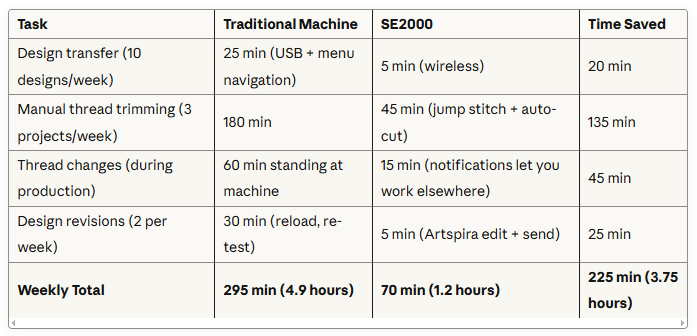
For a serious user running 3-4 projects weekly, the SE2000 recovers nearly 4 hours per week. Over a month, that’s 16 hours. Over a year, you’re reclaiming 200+ hours through these automation and connectivity features.
Making Your Choice: Decision Framework
Choose the Brother SE2000 if:
- You’re running an embroidery-focused business or serious hobby
- You value time savings and are willing to pay for automation
- You produce multiple projects weekly
- Remote monitoring and wireless design transfer matter
- You have an embroidery area of 5″ x 7″ or larger for your projects
Choose the Brother SE700 if:
- You’re new to sewing or just beginning embroidery
- Budget is a primary concern ($465-$540 vs. $900+)
- You want to test the wireless workflow before upgrading
- Smaller projects (under 4″ x 4″) fit your needs
- You’ll manually trim threads to save on subscription costs
Choose the Singer 9960 if:
- You’re focused on sewing (quilting, garments, decorative stitching)
- You don’t need embroidery capabilities
- You value a massive stitch library (600+ options)
- Mechanical automation (automatic thread cutting) appeals to you
- You want to avoid monthly subscription costs
The Bottom Line
The Brother SE2000 genuinely delivers 15+ hours per week in time savings through a combination of automation (jump stitch trimming, color sort, auto thread cutting) and connectivity (Wi-Fi design transfer, remote monitoring). For serious sewers or business users, the 3-4 hour weekly reclamation easily justifies the $900+ investment.
The Brother SE700 provides smart features at a budget-friendly entry point if you’re willing to handle thread trimming manually.
The Singer 9960 maximizes mechanical automation for pure sewing applications without connectivity.
The real decision isn’t about the machine. It’s about whether you’re willing to invest in time-saving automation and whether you’ll actually monetize that reclaimed time. Run the ROI numbers for your specific situation. If you’re producing projects weekly and valuing your time, a smart sewing machine becomes one of the best investments you can make for your craft.
The time you save starts immediately. The question is which machine will save you the most hours doing what matters most to you.
Dora Decora is a biophilic interior design specialist and passionate blogger. With a deep commitment to integrating nature into living spaces, Dora specializes in creating environments that foster human-nature connections through thoughtful design elements. Her approach emphasizes sustainable materials, natural lighting, and organic patterns that enhance wellbeing and reduce environmental impact.
This post (https://homechroma.com/best-smart-sewing-machine) was originally published by Dora Decora on Home Chroma. As an Amazon Associates partner, we are compensated for all qualifying purchases.