Why Your Tiny Home Needs Nature (More Than You Think)
Living in a compact space doesn’t mean sacrificing your connection to nature. In fact, it makes that connection even more critical.
Biophilic design—the practice of incorporating natural elements into built environments—transforms cramped quarters into calming sanctuaries. Research shows that people in biophilically designed spaces experience faster recovery from illness, reduced stress levels, improved cognitive function, and enhanced overall well-being.
For tiny home dwellers, these benefits become amplified. Your 380-square-foot Amazon prefab isn’t just a home—it’s your entire world compressed into a steel frame. Without thoughtful natural integration, that modern minimalist aesthetic can quickly feel sterile and confining.
Here’s how to fix that.
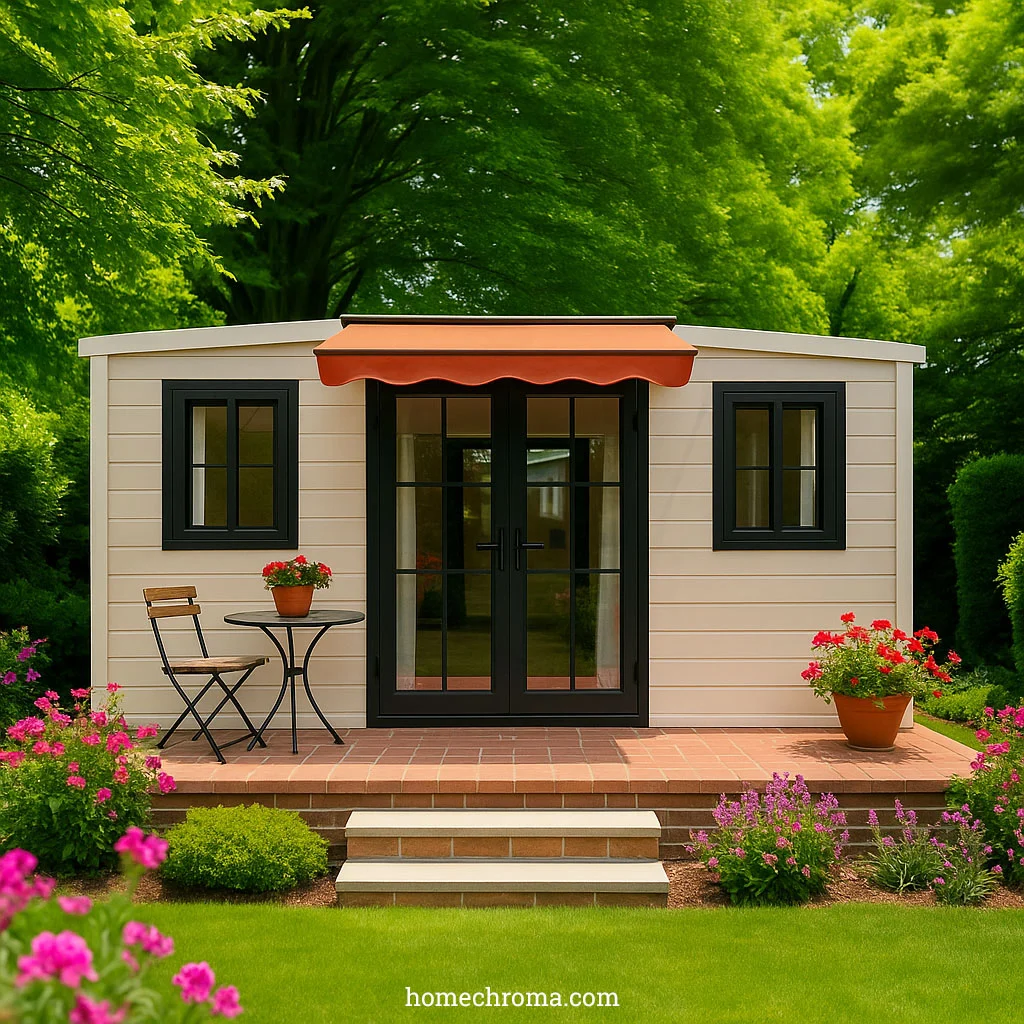
Now Your Can Buy A Tiny Home From Amazon: The Perfect Canvas
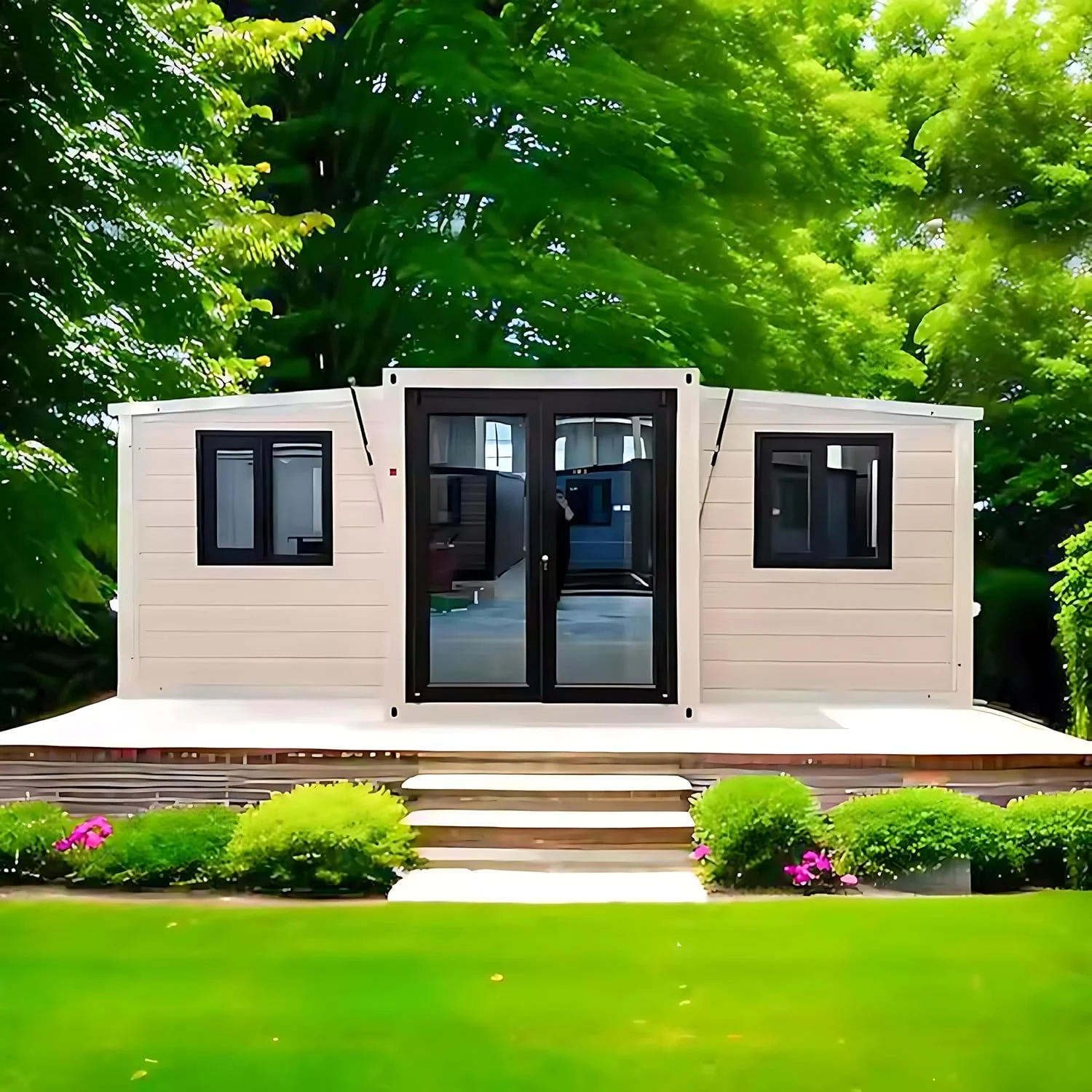
Tiny Mobile Folding Homes for Sale [click to view…]
This tiny homes feature:
- Galvanized steel frame and exterior
- White galvanized steel interior walls
- 380 square feet of living space
- Five windows (including bathroom)
- Modern minimalist design
And here’s the game-changer: At $12,560, you’re getting exceptional value in today’s market.
The Numbers Don’t Lie: Why This Price Point Changes Everything
The average cost to build a tiny house ranges from $30,000 to $70,000, with prefab options typically running $150 to $450 per square foot. Let’s break down what this Amazon tiny home represents:
Market Comparison:
- Average prefab tiny home: $28,405 to $85,985
- Custom-built tiny homes: Over $150,000
- Your Amazon option: $12,560
Per Square Foot Analysis:
- Industry average: $300-$400 per square foot
- Your Amazon home: Approximately $33 per square foot
- Savings: You’re paying roughly 10% of typical tiny home costs
The 7 Essential Elements That Transform Your Space
1. Strategic Plant Selection: Maximum Impact, Minimum Effort
The Problem: Floor space is precious in tiny homes, but you need living greenery for air purification and stress reduction.
The Solution: Choose low-maintenance, high-impact plants that work vertically.
Best Plants for Tiny Homes:

Smart Display Solutions:
- Hanging planters free up floor space
- Tiered shelving maximizes vertical growing
- Window sills utilize existing surfaces
- Wall-mounted systems create living art
The concentrated air volume in tiny homes makes plants doubly important—they’re actively cleaning your limited air supply while providing psychological benefits that prevent claustrophobia.
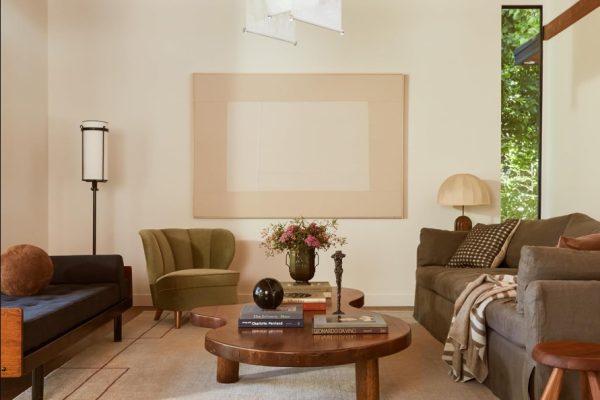
2. Natural Materials: Softening the Steel
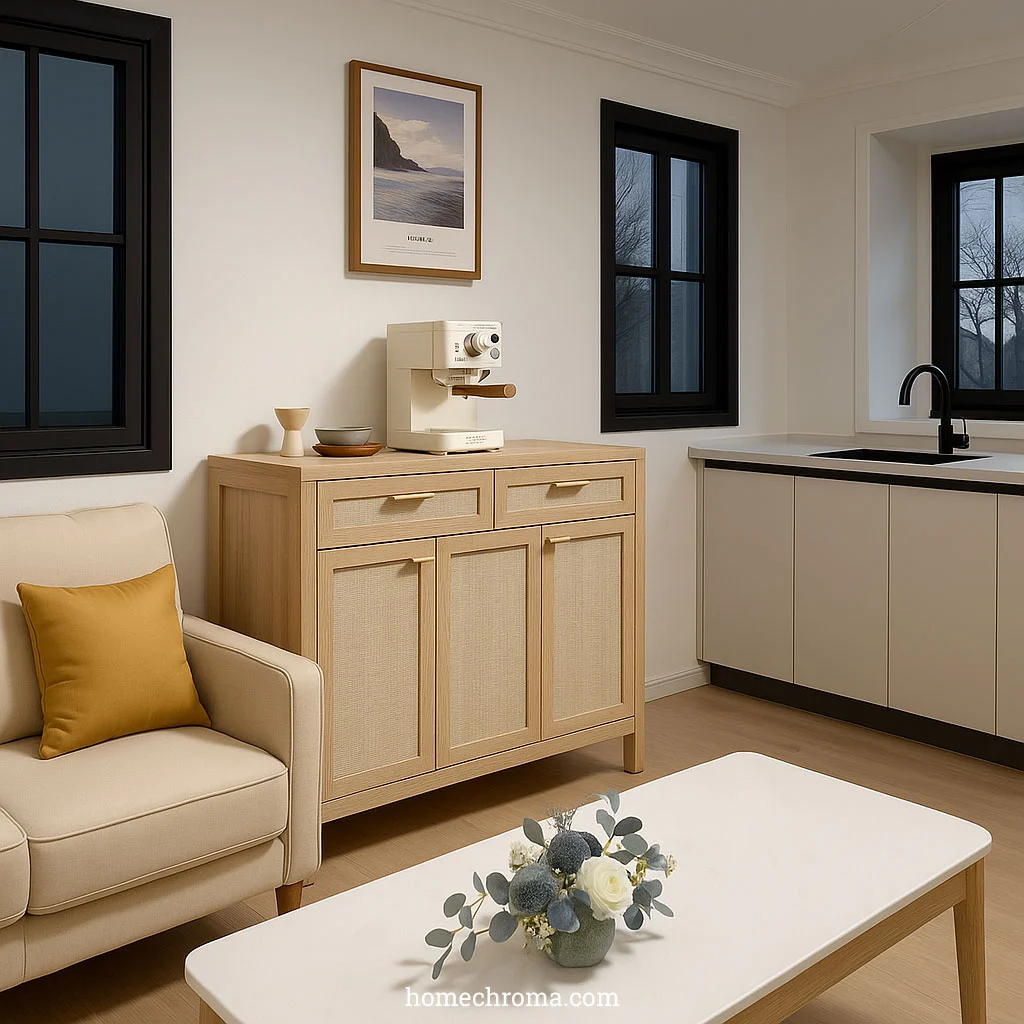
Rattan Sideboard Buffet Cabinet [click to view…]
The Challenge: Amazon tiny homes feature heavy steel aesthetics that can feel industrial and cold.
The Fix: Layer in organic textures that add warmth without bulk.
High-Impact Material Choices:
- Wood elements: Reclaimed wood shelving, cutting boards, small dining tables
- Wicker and rattan: Lightweight accent chairs, decorative baskets, pendant lights
- Natural textiles: Linen curtains, cotton throws, wool rugs
- Stone accents: Clay pots, decorative bowls, small accent pieces
- Cork applications: Coasters, small wall panels, eco-friendly insulation
Functional Benefits Beyond Aesthetics: The steel frame construction makes thermal and acoustic comfort crucial. Natural materials like cork provide insulation, while soft textiles absorb sound—reducing echo and external noise transmission that metal structures conduct.
3. Light Maximization: Expanding Your World
The Opportunity: Your tiny home’s five windows and white interior walls create an excellent foundation for light optimization.
Maximization Strategies:
Window Treatments:
- Sheer curtains allow maximum daylight penetration
- Avoid heavy drapes that block precious natural light
- Keep window areas clutter-free
Reflective Surfaces:
- Position mirrors opposite windows to bounce light deeper
- Use glossy finishes on furniture strategically
- Leverage existing white walls as natural light reflectors
Artificial Light Integration:
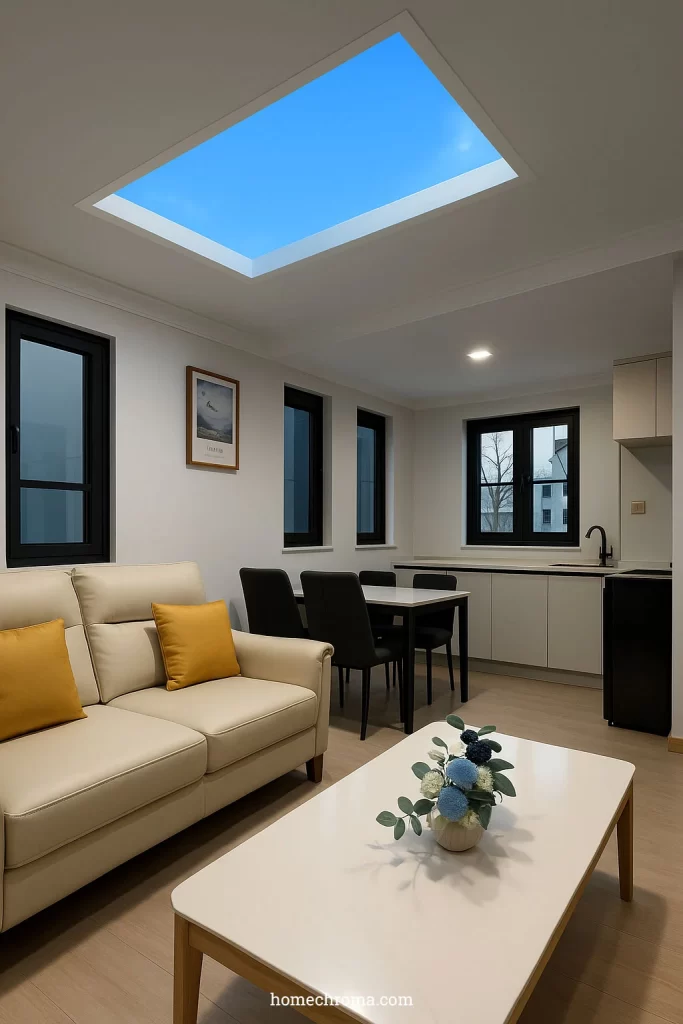
Artificial Skylight [click to view…]
- Dimmable LEDs that adjust color temperature throughout the day
- Under-cabinet kitchen lighting highlights natural textures
- Wall-mounted fixtures save floor space
Advantage: Most Amazon tiny homes arrive unfurnished, giving you complete control over light-optimizing furniture placement from day one.
4. Water Features: Compact Tranquility
The Power: Water sounds mask external noise while creating visual movement that makes small spaces feel alive.
Tiny Home-Appropriate Options:
- Tabletop fountains: Fit on counters, shelves, or bedside tables
- Wall-mounted features: Save floor space while creating focal points
- Small aquariums: Combine water movement with living elements
Sensory Benefits: The gentle sound of flowing water creates auditory white noise that mentally expands your space. Light reflections on water surfaces add visual depth, making your 380 square feet feel less confined.
5. Nature-Inspired Art & Textiles: Visual Expansion
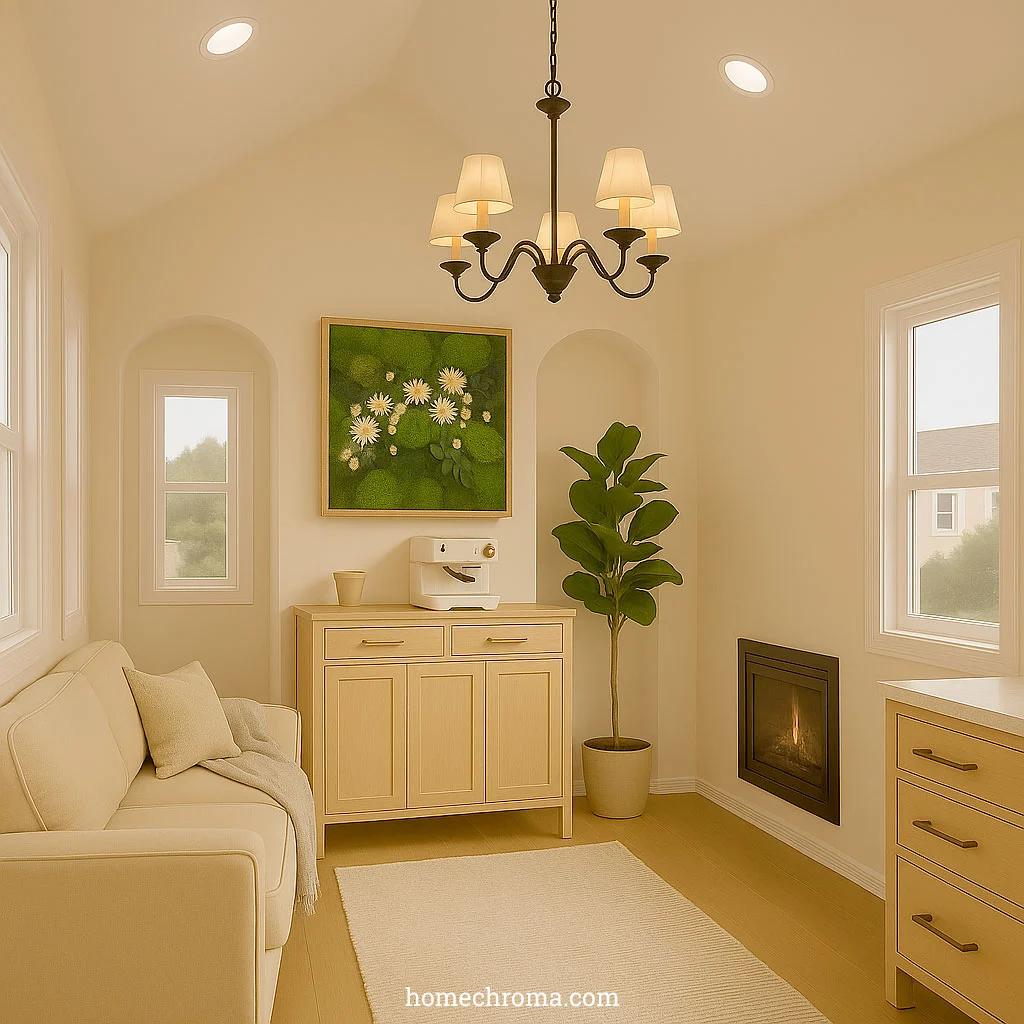
Moss Wall Art by WhiteHausLiving [click to view…]
The Strategy: When space limits prevent extensive live plant installations, art and textiles provide powerful nature connections.
Effective Approaches:
- Botanical prints: Large-scale leaf or floral artwork creates “personal greenhouse” effects
- Landscape scenes: Mountain or forest imagery suggests expansive outdoor spaces
- Abstract nature art: Organic shapes and earthy colors without literal representation
- Natural fiber textiles: Linen, cotton, hemp, and wool in botanical patterns
Space Psychology: A large mural of misty mountains can make your tiny home feel like a remote cabin retreat. These visual cues tap into subconscious associations with open natural environments.
6. Earthy Color Palettes: Psychological Space Expansion

The Foundation: Use your existing white walls as a light-reflecting base, then layer natural hues strategically.
Color Strategy:
- Base: Maintain light walls and ceilings for maximum light reflection
- Accents: Introduce pale blues, greens, and organic neutrals
- Depth: Add tans, browns, and gray through furniture and decor
- Vibrancy: Include flower-inspired pops of purple or yellow in small doses
Visual Expansion Effect: Light, earthy tones reflect more light than dark colors, making your space feel larger. These hues psychologically connect to open sky, earth, and water—creating perceived spaciousness that counters physical limitations.
7. Multi-Sensory Accents: Beyond Visual
The Missing Piece: Most design focuses on what you see, but true biophilic design engages all senses.
Auditory Elements:
- Small wind chimes from natural materials (wood, bamboo, shells)
- Sound machines or apps providing rain, ocean, birdsong, or forest sounds
- Natural soundscapes mask external noise and promote relaxation
Olfactory Integration:
- Essential oil diffusers in natural materials (stone, ceramic, bamboo)
- DIY room sprays with nature-inspired scents
- Essential oils applied to natural fabrics for slow scent release
Recommended Scent Profiles:
- Calming: Lavender, chamomile, sandalwood
- Energizing: Lemon, orange, peppermint, lemongrass
- Grounding: Cedarwood, pine, fir
Compensating for Location: Even if your tiny home sits in an urban environment, multi-sensory nature elements create an internalized forest experience. This becomes particularly valuable when steel construction transmits external city noise.
The Bottom Line
Your Amazon tiny home’s steel frame and compact footprint aren’t limitations—they’re opportunities for transformative biophilic design. Every element you introduce has magnified impact in a small space.
Start with plants and light optimization—you’ll feel the difference immediately. Then layer in the remaining elements at your own pace. Your tiny home will evolve from compact living space to nature-connected oasis, proving that square footage matters far less than thoughtful design.
Dora Decora is a biophilic interior design specialist and passionate blogger. With a deep commitment to integrating nature into living spaces, Dora specializes in creating environments that foster human-nature connections through thoughtful design elements. Her approach emphasizes sustainable materials, natural lighting, and organic patterns that enhance wellbeing and reduce environmental impact.
This post (https://homechroma.com/7-biophilic-decor-essentials-for-your-amazon-tiny-home) was originally published by Dora Decora on Home Chroma. As an Amazon Associates partner, we are compensated for all qualifying purchases.