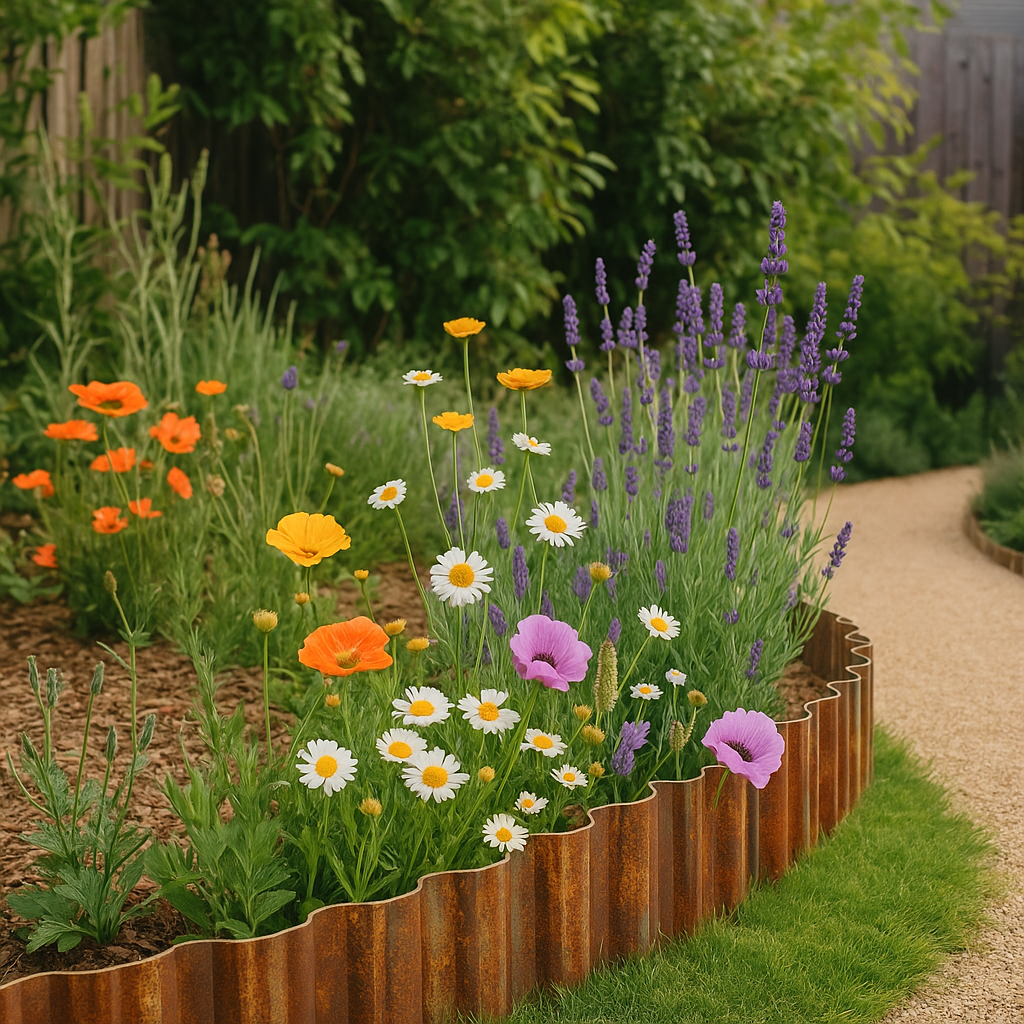
Stop. Before you click “add to cart” on that metal garden edging, you need to know something important.
Thousands of homeowners make costly mistakes every year because they rush into buying metal edging without understanding the critical facts. Some end up with damaged underground utilities and expensive repair bills. Others receive flimsy products that fail within months. Many struggle with installations that lift, shift, or create safety hazards.
This isn’t about scaring you away from metal edging – it’s an excellent landscaping solution when done right. But ignoring these critical facts could cost you thousands in repairs, wasted materials, and potential safety risks.
Critical Fact #1: Underground Utilities Can Kill Your Project (And Potentially You)
The single biggest risk with metal edging installation isn’t the product itself – it’s what’s hiding beneath your soil.
Every time you dig a trench for edging, you’re playing Russian roulette with underground infrastructure. Water pipes, gas lines, electrical cables, and sewer systems run beneath most properties, often in unmarked locations.
What Happens When You Hit a Utility Line?
- Water pipes: Repair costs range from $500-$2,000, plus potential flood damage
- Gas lines: Emergency response fees, potential evacuation, repairs starting at $1,000
- Electrical cables: Risk of electrocution, power outages, repair bills exceeding $3,000
- Sewer lines: Contamination cleanup and repairs often cost $5,000+
The Mandatory First Step
Before any digging project, contact your local utility companies for a free “utility locate” service. This isn’t optional – it’s required by law in most areas and can save your life.
Professional installers know this. DIY homeowners often don’t.
The service uses specialized equipment to map underground infrastructure, marking locations with colored spray paint. Most services respond within 48-72 hours and cost nothing.
Safe Digging Practices
- Use hand tools instead of power equipment for greater control
- Dig slowly and carefully around marked areas
- Stop immediately if you encounter unexpected resistance
- Never assume utilities run in straight lines
Critical Fact #2: Not All Metals Are Created Equal (And Your Choice Matters More Than Price)
Choosing the wrong metal for your specific situation is like using the wrong tool for the job – technically possible, but guaranteed frustration.
The three main options each have distinct characteristics that determine success or failure for your project.
Steel: The Strength Champion
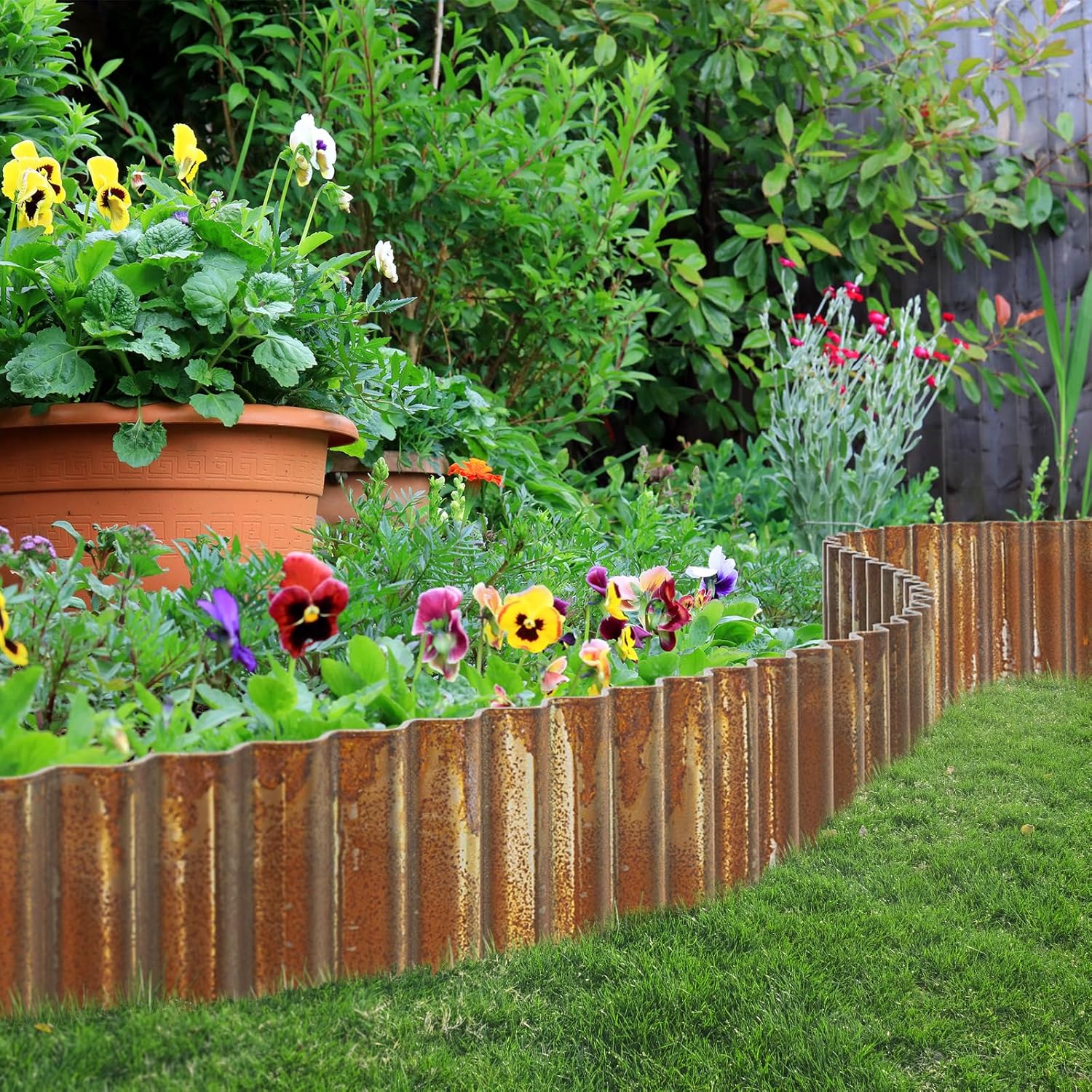
LAVEVE Corrugated Metal Garden Edging [click to view…]
Best for: Straight lines, high-traffic areas, retaining soil
- Strength: Superior rigidity handles car tires and ground movement
- Durability: Can last 40+ years even with natural rusting
- Flexibility: Low – excels at geometric designs
- Cost: Moderate
- Maintenance: Minimal once installed
Coating Options:
- Galvanized: Zinc coating prevents rust for decades
- Powder-coated: Color options with scratch and UV resistance
- Untreated: Develops natural rust patina over time
Aluminum: The Curve Master
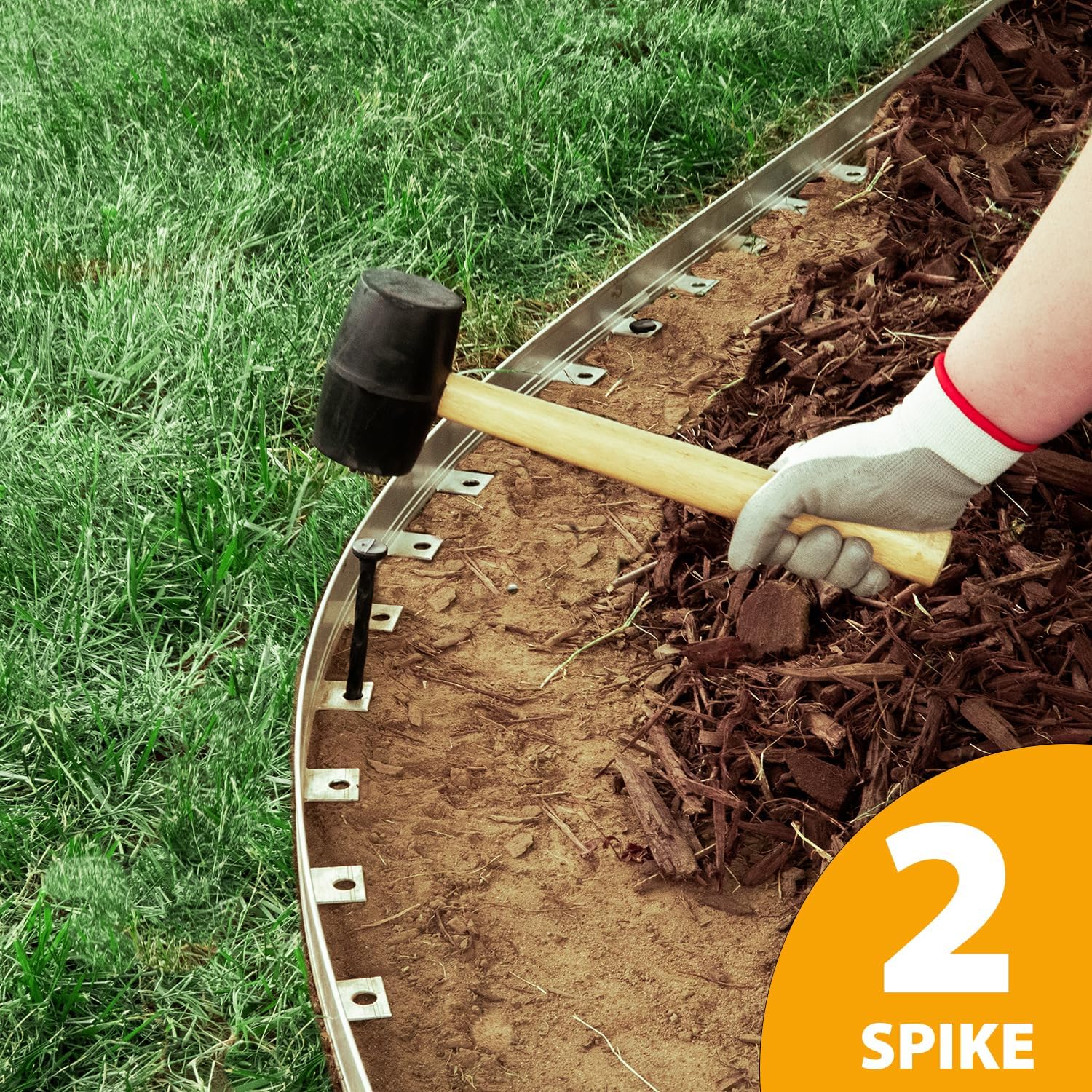
EasyFlex Aluminum No-Dig Landscape Edging [click to view…]
Best for: Curved pathways, coastal areas, lightweight applications
- Strength: Moderate – adequate for most residential uses
- Corrosion Resistance: Excellent – won’t rust in any environment
- Flexibility: High – easily shaped into flowing curves
- Cost: Similar to steel
- Drawback: More prone to dents and scratches
Corten Steel: The Premium Option
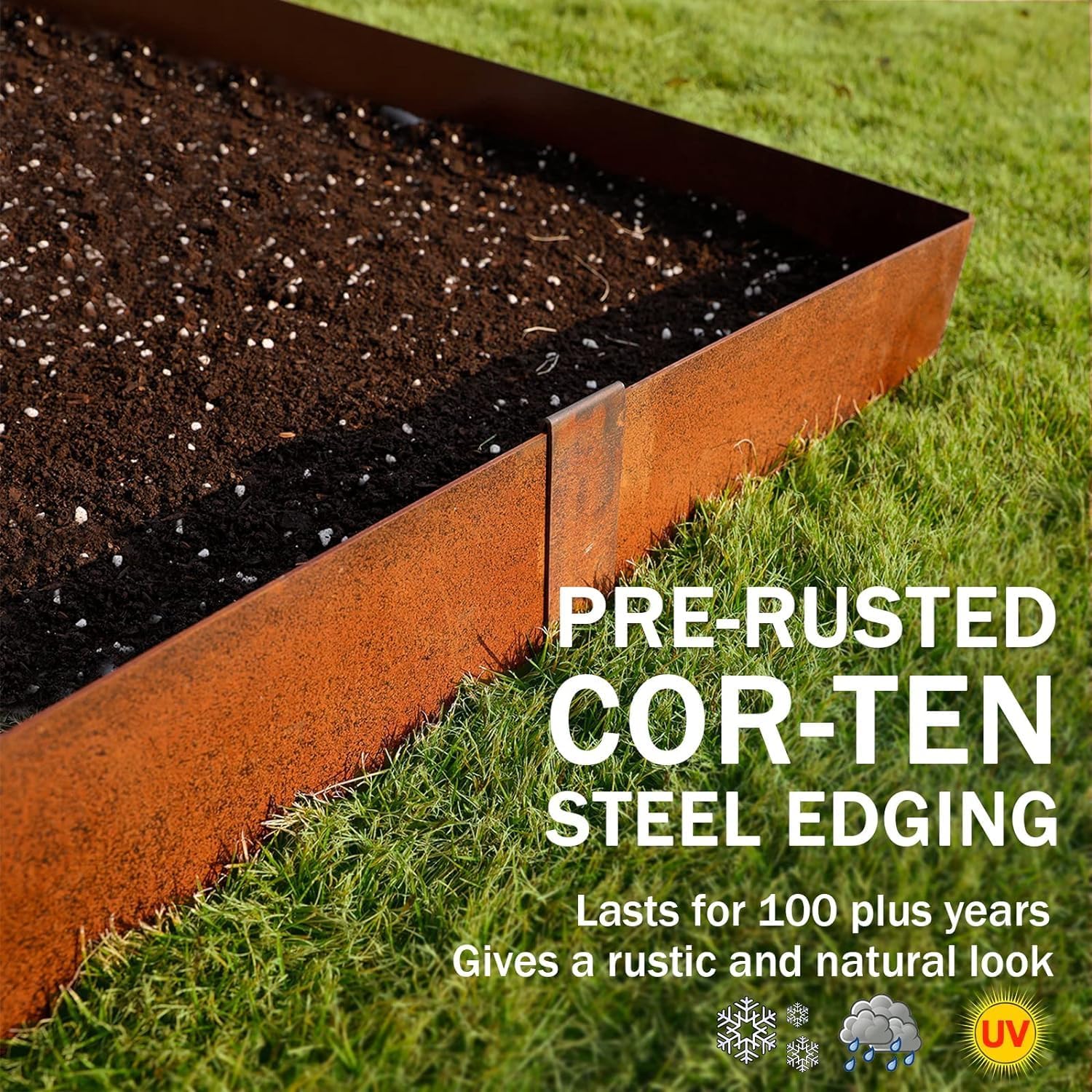
Worth Garden 6 Pack Cor-Ten Steel Landscape Edging [click to view…]
Best for: Modern designs where rustic patina is desired
- Strength: Exceptional (70 ksi tensile strength)
- Aesthetic: Develops protective rust patina over 6-18 months
- Cost: Premium pricing
- Important Warning: Patina runoff can stain concrete and pavers
- Not suitable for: Coastal environments (salt prevents stable patina)
Material Selection Decision Tree
- Need curves? → Choose aluminum
- Coastal location? → Choose aluminum
- Want rustic look and have premium budget? → Choose Corten steel
- Need maximum strength and straight lines? → Choose steel
- Budget-conscious with good performance? → Choose galvanized steel
Critical Fact #3: Installation Depth Determines Long-Term Success (Most DIYers Get This Wrong)
The #1 installation mistake that causes long-term headaches: shallow trenching.
Professional installers know that proper depth is non-negotiable. DIY homeowners often shortcut this step, leading to edging that “pops up” with ground movement, frost heave, or minor impacts.
The Professional Rule
Bury half or more of the edging height below ground level.
- 4-inch edging → 2+ inches buried
- 6-inch edging → 3+ inches buried
- 8-inch edging → 4+ inches buried
Why Proper Depth Matters
Shallow installations fail because:
- Frost heave pushes inadequately anchored edging upward
- Soil expansion from moisture changes shifts poorly secured borders
- Minor impacts (mower wheels, foot traffic) can dislodge shallow edging
- Root pressure from nearby plants can gradually push up unstable borders
Installation Success Checklist
✅ Utility locate completed ✅ Proper trench depth (half+ of edging height) ✅ Firm soil compaction around stakes ✅ Secure joining system between sections ✅ Top edge level with or slightly above grass crown
Critical Fact #4: Environmental and Plant Safety Concerns (The Issues Nobody Talks About)
Metal edging can potentially harm your plants and soil – but the risks are manageable when you understand them.
Metals like zinc, iron, and copper can be toxic to plants in high concentrations. However, research shows that quality galvanized steel and aluminum products pose minimal risk under normal conditions.
A three-year study found galvanized steel had no significant negative impact on plant growth, with the zinc coating acting as a protective barrier.
Higher Risk Scenarios
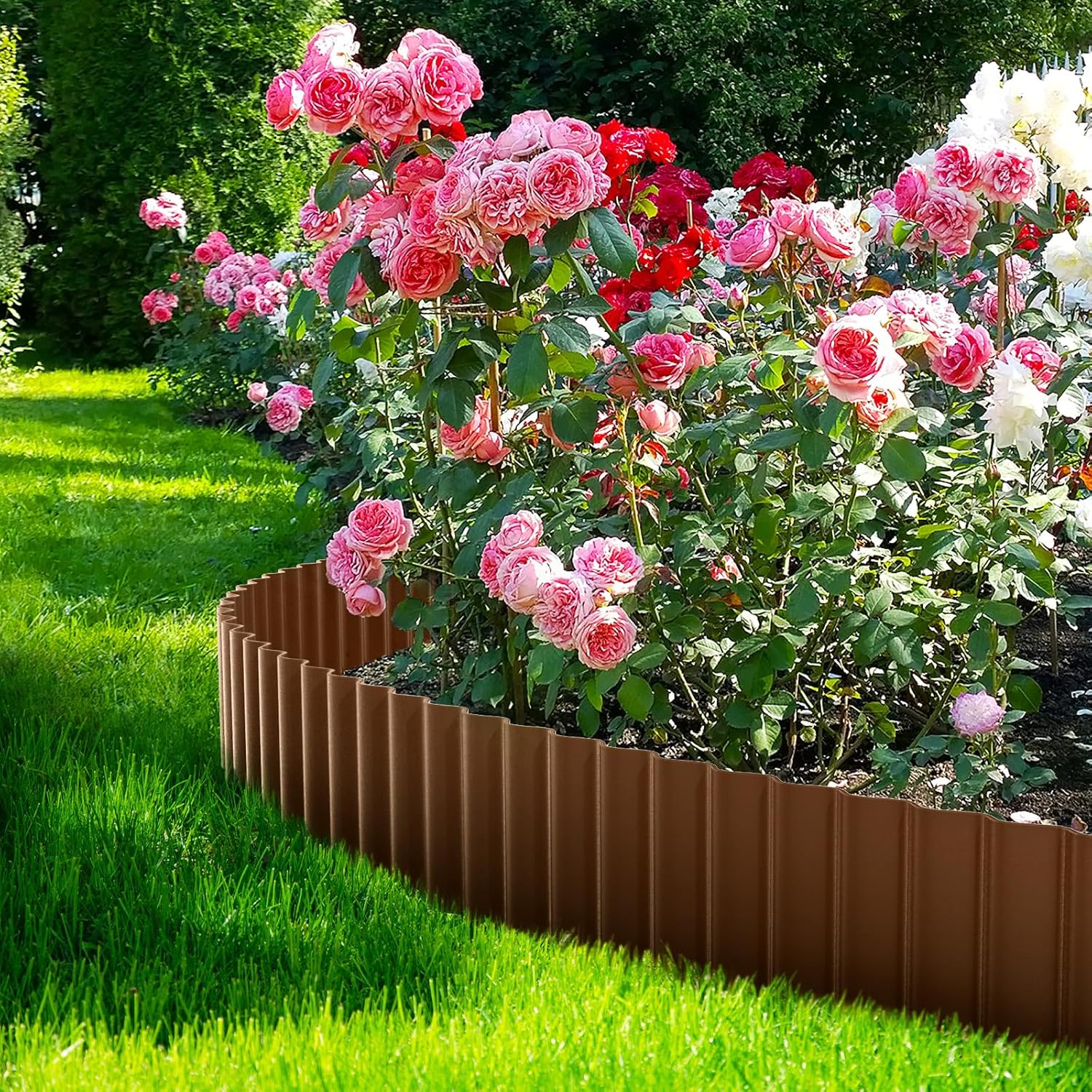
LAVEVE Corrugated Metal Garden Edging [click to view…]
Acidic soil conditions can accelerate breakdown of protective coatings, potentially increasing leaching. This is particularly concerning with:
- Older galvanized materials with soldered joints (potential lead content)
- Highly acidic soil (pH below 6.0)
- Root vegetables planted directly against edging
- Use of acidic fertilizers like fresh chicken manure
Heat Absorption Effects
Metal absorbs and retains solar heat, which can damage shallow-rooted plants during hot weather. The surface temperature can become hot enough to:
- Damage delicate root systems
- Create dry zones in adjacent soil
- Stress nearby plantings during heat waves
Risk Mitigation Strategies
- Test your soil pH – maintain neutral levels (6.5-7.0)
- Use quality products with proper protective coatings
- Install barriers between edging and root vegetables if concerned
- Position carefully to minimize root contact in acidic soils
- Monitor plant health near new installations
The Bottom Line: Your Action Plan for Smart Metal Edging Decisions
These five critical facts separate successful metal edging projects from expensive disasters. Here’s your step-by-step action plan:
Before You Buy:
- Call for utility locate (mandatory first step)
- Test soil pH if planning edible gardens nearby
- Measure your project to determine material needs
- Choose reputable suppliers over marketplace gambling
Material Selection:
- Straight lines + strength needed = Steel (galvanized or powder-coated)
- Curves + coastal areas = Aluminum
- Premium rustic look = Corten steel (if not coastal)
Installation Success:
- Dig proper depth (half+ of edging height buried)
- Use quality anchoring every 2-3 feet
- Install level with grass crown
- Join sections securely
The difference between a 20-year landscaping asset and a recurring headache often comes down to these critical decisions made before installation begins.
Don’t let excitement about your landscaping project override the need for careful planning. Take the time to understand these facts, source quality materials, and install properly. Your future self will thank you when you’re enjoying beautiful, stable garden borders instead of dealing with repairs and replacements.
Ready to move forward? Start with that utility locate call – it’s free, required, and could save your life. Everything else builds from that foundation of safety and proper planning.
Dora Decora is a biophilic interior design specialist and passionate blogger. With a deep commitment to integrating nature into living spaces, Dora specializes in creating environments that foster human-nature connections through thoughtful design elements. Her approach emphasizes sustainable materials, natural lighting, and organic patterns that enhance wellbeing and reduce environmental impact.
This post (https://homechroma.com/metal-garden-edging) was originally published by Dora Decora on Home Chroma. As an Amazon Associates partner, we are compensated for all qualifying purchases.