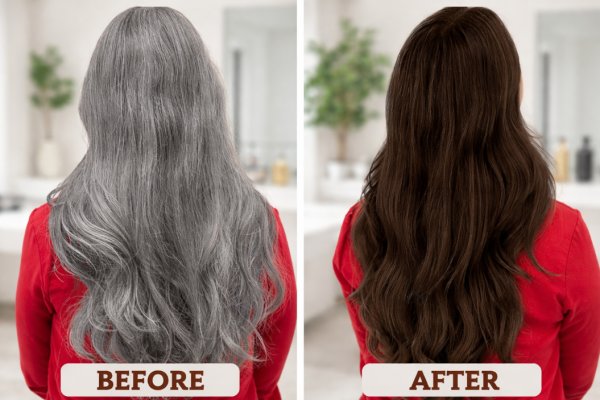

Your commercial hair gel is quietly damaging your hair and scalp, even if you can’t see it yet. While synthetic polymers create that firm hold, they’re also clogging follicles, stripping natural oils, and exposing your scalp to hormone disruptors. The good news? You can replicate professional-quality hold with just three natural ingredients that actually nourish your hair while styling it.
Here’s what makes this organic approach different: flaxseeds create flexible, re-activatable hold without flaking, aloe vera keeps your hair hydrated while stabilizing pH, and optional gelatin provides firm structure for demanding styles. No alcohol-induced brittleness. No synthetic fragrance hiding dozens of undisclosed chemicals. Just clean, effective styling that improves hair health with every use.
What Commercial Hair Gels Are Actually Doing to Your Hair
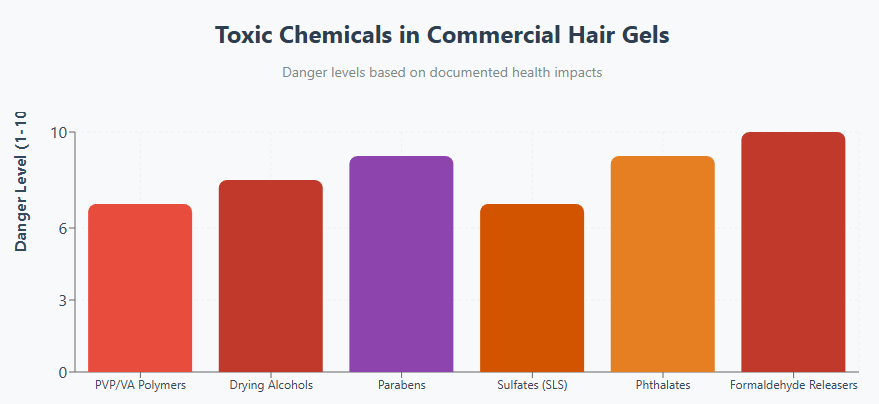
Commercial hair gels rely on synthetic polymers and harsh alcohols that deliver short-term results while causing long-term damage. These products contain compounds that shouldn’t be anywhere near your scalp—especially not as a daily application.
The Chemical Culprits in Your Gel
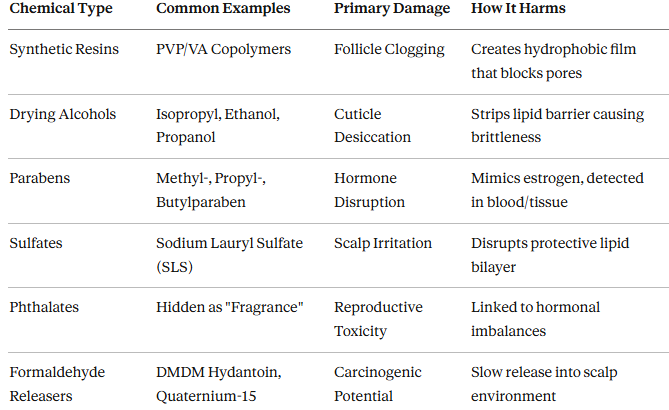
Polyvinylpyrrolidone (PVP) and vinyl acetate copolymers provide that rigid “cast” feeling—but they’re also waterproof films that prevent moisture penetration. Your hair appears styled on the surface while slowly dehydrating underneath.
Short-chain alcohols evaporate quickly for fast drying, which sounds convenient until you understand they’re volatile organic compounds (VOCs) that aggressively strip your hair’s natural oils. This leads to cuticle desiccation—the technical term for hair that’s become brittle and prone to breakage.
Parabens deserve special attention. These preservatives extend shelf life by preventing bacterial growth, but they’ve been detected in human blood, urine, and breast tissue. They function as endocrine disruptors by mimicking estrogen and interfering with hormonal signaling.
The “fragrance” or “parfum” label legally allows manufacturers to hide hundreds of chemicals, many of which are potent allergens or phthalates linked to reproductive issues.
The 3-Ingredient Organic Hair Gel Formula
This organic alternative replaces synthetic chemistry with botanical compounds that provide hold while actively improving hair health. The three core ingredients work synergistically—each addresses a different aspect of styling while compensating for the others’ limitations.
The Core Ingredients
1. Flaxseeds (Film-Forming Agent) Whole flaxseeds contain polysaccharides that release when heated in water, creating mucilage—a gel-like substance rich in omega-3 fatty acids and vitamin E. This forms the styling base.
2. Aloe Vera (Humectant and pH Stabilizer) Pure aloe vera gel provides moisture retention through acemannan (a long-chain polymannose) and maintains the slightly acidic pH (4.5-5.5) needed to keep hair cuticles flat and smooth.
3. Gelatin – Optional (Protein Reinforcement) Unflavored gelatin adds structural hold through hydrolyzed collagen that binds to keratin in hair shafts. Use this only when you need firmer hold for specific styles.
How Each Ingredient Functions
Flaxseed Mucilage: Your Primary Hold Agent
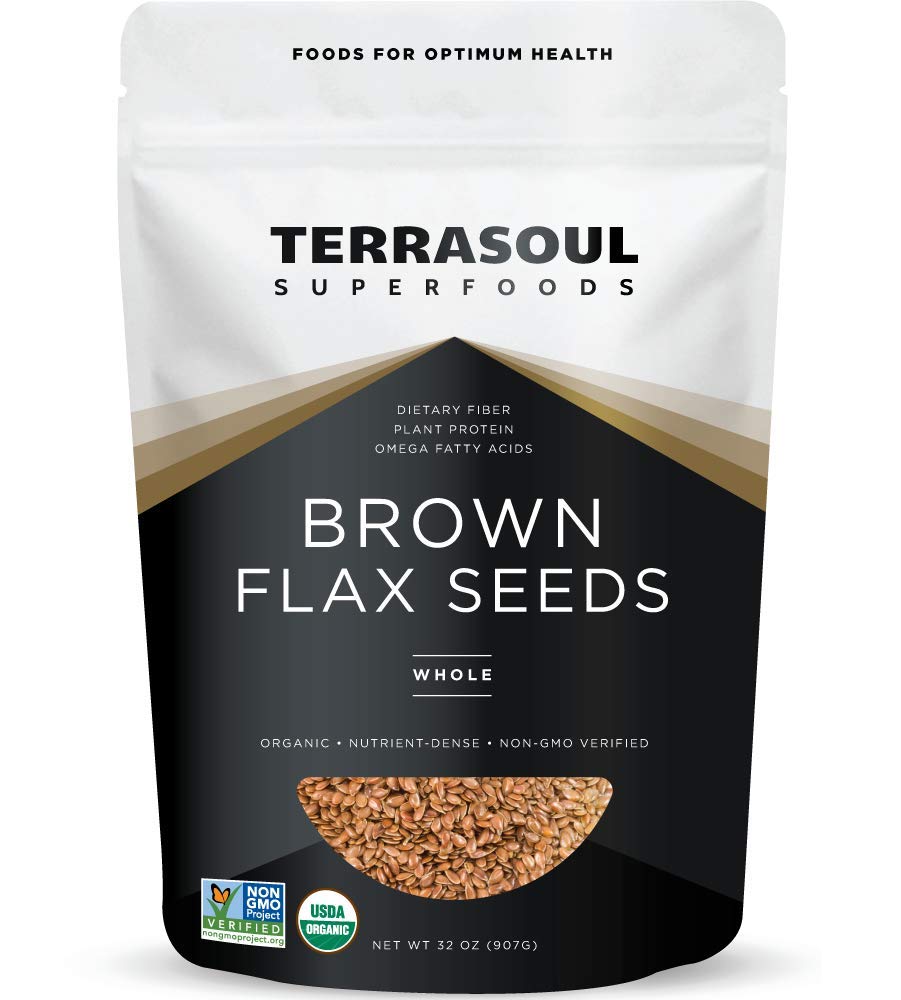
Terrasoul Superfoods Organic Brown Flax Seeds [click to view…]
When flaxseeds simmer in water, their outer coating releases polysaccharides including rhamnose, galactose, xylose, and arabinose. These create a non-Newtonian fluid—meaning its viscosity changes under stress. This is why organic gel provides flexible hold that reshapes when you scrunch it but maintains definition between manipulations.
Unlike synthetic polymers that sit on hair’s surface, flaxseed mucilage contains α-linolenic acid (ALA)—an omega-3 fatty acid that penetrates the upper cuticle layers. Vitamin E provides antioxidant protection against environmental oxidative stress and UV damage.
The hold dries into a transparent film that “clumps” curls together without flaking. More importantly, this gel remains water-activated. Mist your hair on day two or three, and the polysaccharides re-liquify, allowing you to reshape curls without re-washing or adding more product.
Aloe Vera: The Moisture Manager
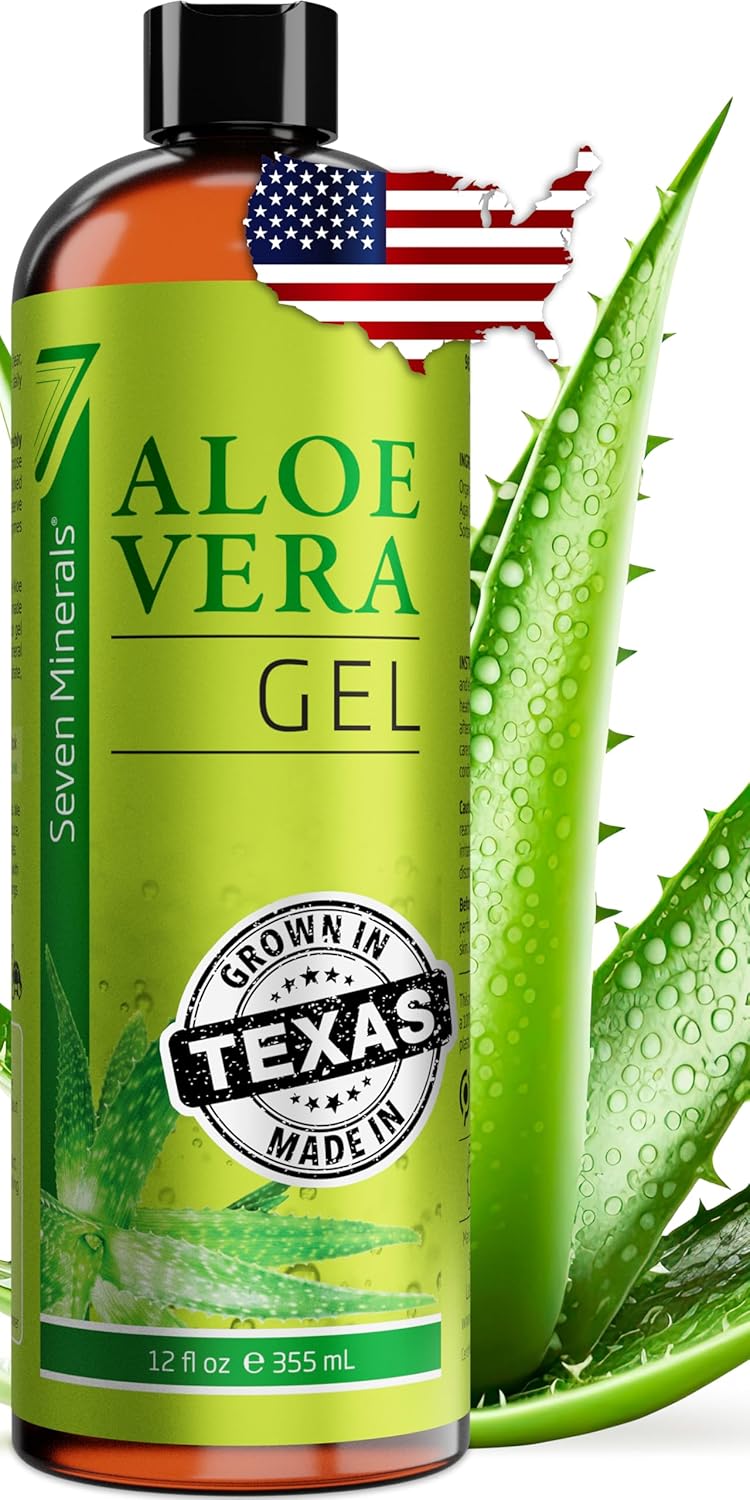
Seven Minerals Organic Aloe Vera Gel [click to view…]
Aloe barbadensis Miller addresses the two weaknesses of pure seed mucilage: pH instability and moisture loss. Its 75+ active compounds include vitamins, minerals, and amino acids, but the styling benefits come primarily from acemannan.
This long-chain polymannose acts as a powerful humectant—it draws moisture from the atmosphere and binds it to hair’s cortex. This prevents the desiccation that can occur when protein-heavy products like gelatin dry.
Aloe vera’s natural pH of 4.5-5.5 maintains the slightly acidic environment hair needs. Alkaline products cause cuticle scales to lift, increasing porosity and creating frizz. Aloe vera keeps cuticles flat, which enhances shine while protecting against moisture loss.
The proteolytic enzymes (including bradykinase) provide therapeutic benefits by removing dead skin cells and unclogging hair follicles. This makes the formula beneficial for scalp health, not just styling.
Gelatin: Structural Reinforcement for Firm Hold
Gelatin Powder [click to view…]
Gelatin is hydrolyzed collagen rich in proline, glycine, and hydroxyproline. These amino acids have high affinity for keratin—hair’s primary protein. When applied, gelatin molecules seek out damaged or porous areas and effectively “fill in” structural gaps.
This reinforcement increases hair fiber diameter and provides medium to extreme hold. However, balance is critical. Hair requires both strength (protein) and flexibility (moisture). Too much gelatin without adequate humectant creates “protein overload”—hair becomes overly rigid and prone to snapping.
The trigenic formula solves this by pairing gelatin with moisture-rich aloe vera as a counterweight. Use gelatin only when you need firmer hold, and always balance it with proportional aloe vera.
Step-by-Step Recipe: From Basic to Maximum Hold
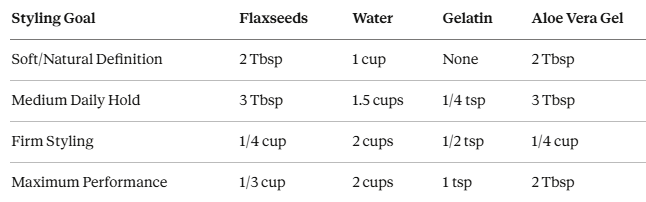
The beauty of this formula is its scalability. Start with the basic version for everyday styling, then adjust ratios based on your hair type and hold requirements.
Recipe Ratios for Different Hold Levels
Preparation Method
Step 1: Extract Flaxseed Mucilage (15 minutes)
- Add whole flaxseeds to boiling water
- Reduce to simmer and stir continuously for 9-15 minutes
- Liquid should reach consistency of raw egg whites
- Watch for viscosity increase as polysaccharides release
Step 2: Strain While Hot (Critical Timing)
- Remove from heat when desired thickness is reached
- Strain immediately through fine-mesh strainer or cheesecloth
- For maximum yield, use cheesecloth and manually squeeze
- Do NOT let cool before straining—gel sets into semi-solid matrix
Step 3: Dissolve Gelatin (If Using)
- Wait until flaxseed liquid cools to 113°F (45°C)
- Sprinkle gelatin powder over warm liquid
- Stir gently until completely dissolved
- Never boil gelatin—excessive heat denatures proteins
Step 4: Add Aloe Vera and Essential Oils
- Once temperature drops below 113°F, add aloe vera gel
- Stir until fully incorporated
- Add 10-15 drops essential oil if desired (see customization section)
- Mix thoroughly
Step 5: Store Properly
- Pour into sterilized squeeze bottle or pump container
- Refrigerate if unpreserved (see preservation section)
- Gel will thicken slightly as it cools completely
Critical Success Factors
Use Whole Seeds, Not Ground: Ground flaxseed meal is processed for dietary consumption and creates a slurry that cannot be strained out. You need whole seeds to extract clean mucilage.
Strain Hot, Not Warm: This is the most common failure point. As the gel cools, it transitions from liquid to semi-solid. If you wait too long, separating seeds from gel becomes nearly impossible.
Monitor Temperature for Gelatin: Excessive heat breaks down gelatin’s protein structure, eliminating its holding properties. Keep liquid below 113°F when adding gelatin.
Consistency Check: Your final gel should resemble raw egg whites in texture. Too thin means insufficient cooking time or too much water. Too thick means you’ve over-reduced—add a tablespoon of warm water and stir.
How Organic Gel Performs vs. Synthetic Products
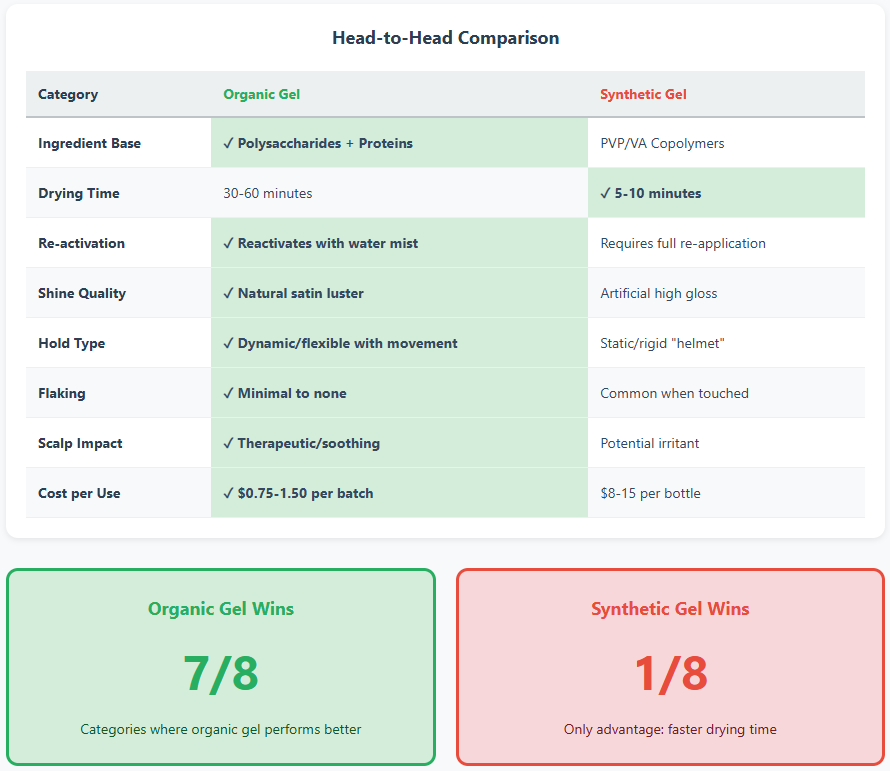
The user experience differs significantly from commercial gels, but most users find the organic version superior once they adjust to the longer drying time.
Performance Comparison
The “Flexible Cast” Difference
Synthetic gels create what users call a “crunchy cast”—a rigid, plastic-like shell that can flake if disturbed. This occurs because PVP and VA copolymers form non-flexible films.
Organic flaxseed gel creates a “flexible cast” that holds curl definition while allowing natural movement. The polysaccharide film responds to mechanical stress by temporarily liquifying at the point of contact, then re-setting. This is why you can “scrunch out the crunch” with oiled hands to reveal soft, defined curls.
Multi-Day Re-Activation
This is where organic gel excels. Synthetic products become brittle on day two—attempting to refresh with water causes flaking and frizz.
Flaxseed mucilage remains water-soluble even after drying. Lightly mist your hair on day two or three, and the botanical polysaccharides re-liquify. You can reshape curls, smooth frizz, and restore definition without washing or applying more gel. This makes the organic formula more economical despite requiring longer initial drying time.
The Drying Time Trade-Off
The main adjustment is extended drying time—30 to 60 minutes versus 5 to 10 minutes for alcohol-based products. This occurs because water evaporates more slowly than volatile alcohols.
For time-sensitive routines, apply gel before bed and let hair air-dry overnight. Alternatively, use a diffuser on low heat. The natural formula won’t become brittle or flaky with heat styling, unlike synthetic gels that can burn and damage hair.
Customizing Your Formula by Hair Type
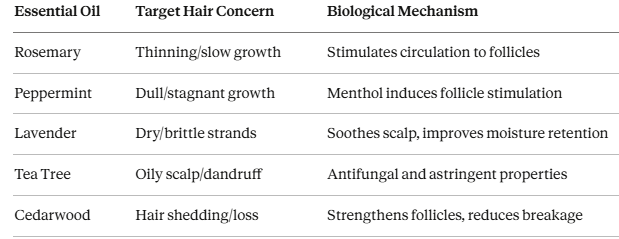
Essential oils transform the base formula into targeted treatment. Add these at 1% concentration (10-15 drops per cup of gel) after the mixture cools below 113°F to preserve volatile compounds.
Essential Oil Selection by Hair Need
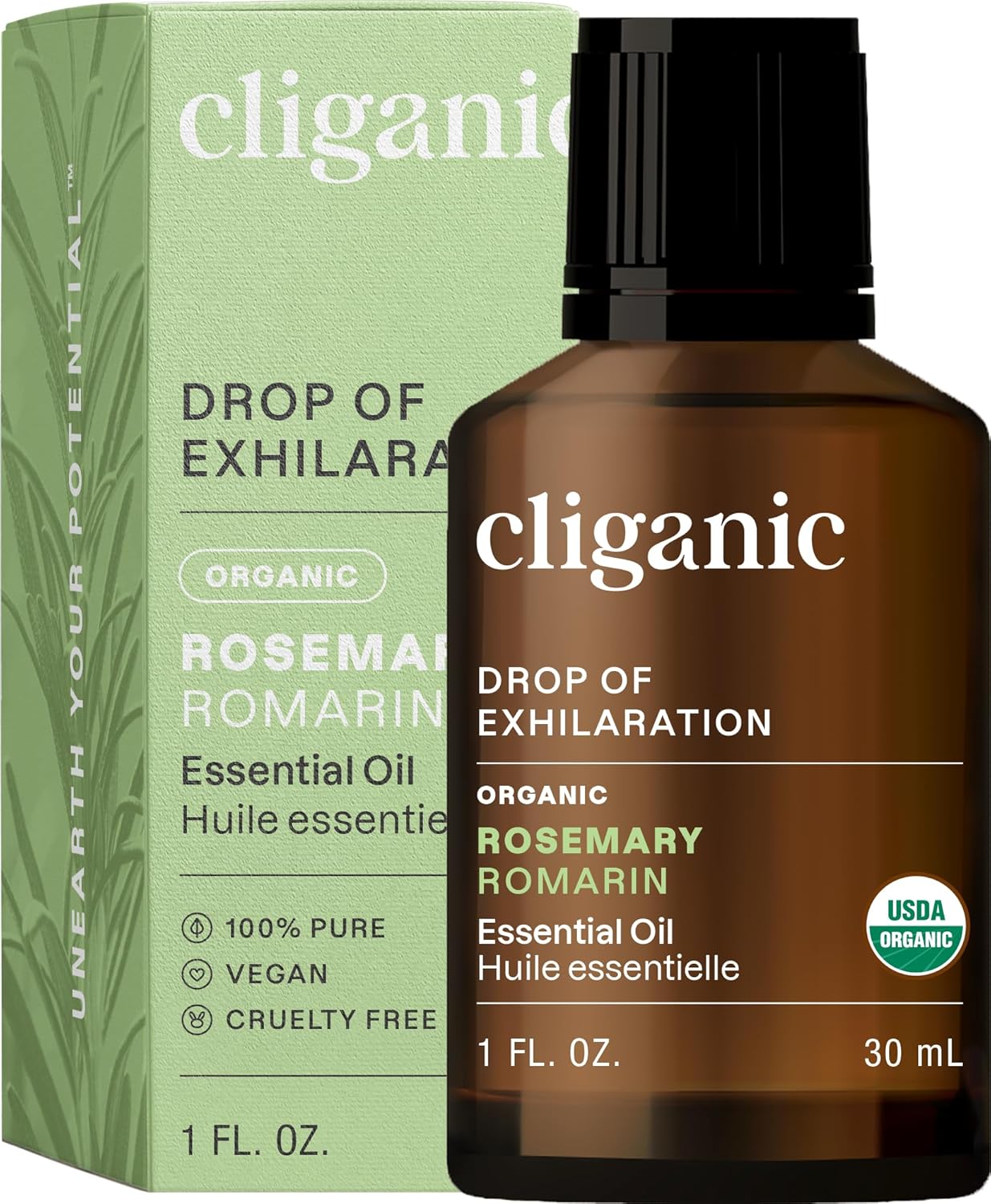
Cliganic Organic Rosemary Essential Oil [click to view…]
Application Note: Essential oils are potent. Never exceed 1% concentration or apply undiluted to scalp. If you have sensitive skin, perform a patch test on your inner arm before adding oils to your hair gel.
For humid climates, oils like patchouli or lemongrass provide antiseptic properties while adding refreshing scent. In dry climates, lavender or chamomile support moisture retention.
Shelf Life and Preservation in Different Climates
The primary challenge of homemade hair gel is microbiological stability. Water-based formulas rich in sugars and proteins provide ideal environments for bacterial, yeast, and mold growth.
Realistic Shelf Life Expectations
Unpreserved batch:
- Refrigerated: 7-10 days
- Room temperature (standard climate): 3-5 days
- Room temperature (hot/humid climate): 24-48 hours
High-humidity environments like the Southern states in summer months dramatically accelerate spoilage. If your gel develops an off smell, changes color, or shows visible mold, discard immediately.
Storage Best Practices
Container Selection:
- Use squeeze bottles rather than jars to minimize air exposure
- Airless pump containers offer maximum protection
- Avoid dipping fingers into gel—this introduces bacteria
Hygiene Protocol:
- Sterilize all containers with boiling water before use
- Clean hands thoroughly before handling gel
- Consider making smaller batches more frequently
Temperature Management:
- Refrigeration extends shelf life of unpreserved gel
- Keep preserved gel in cool, dark location
- Never return used gel to the main container
Application Technique for Maximum Results
Proper application makes the difference between good results and great results. The technique differs significantly from synthetic gel application.
The Correct Application Process
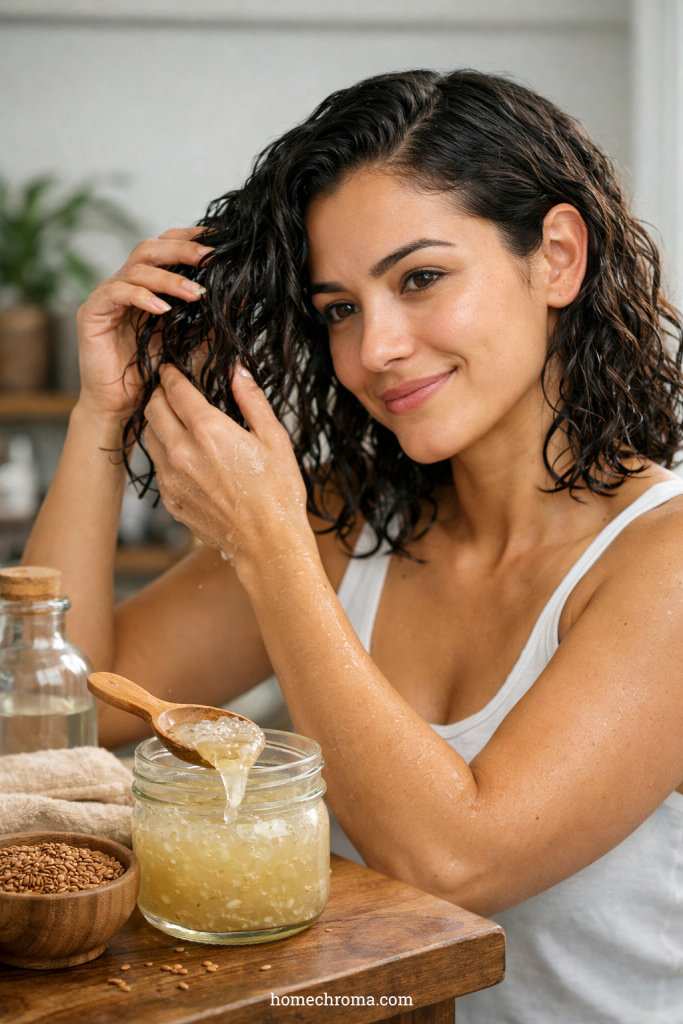
Step 1: Start With Soaking Wet Hair Apply gel immediately after cleansing and conditioning while hair is still dripping wet. This allows flaxseed mucilage to trap maximum water within hair shafts before the film sets.
Step 2: Layer Oil First for High-Porosity Hair If you have high-porosity hair (damaged, color-treated, or Type 4 texture), apply a few drops of natural oil (jojoba, almond, or argan) before gel. This seals in moisture and prevents the “stiffness” that can occur as gelatin dries.
Step 3: Apply Generous Amount Use more gel than you think you need—2-4 pumps for short hair, 4-8 pumps for medium length, 8-12 pumps for long hair. The gel should coat every strand.
Step 4: Distribute With Proper Technique
- For curls: Rake through with fingers, then scrunch upward
- For waves: Smooth through lengths, scrunch at ends
- For straight styles: Comb through evenly for sleek finish
Step 5: Do Not Touch Until 100% Dry This is critical. Disrupting the drying process breaks the cast before it fully forms—this is the primary cause of frizz in organic styling. Set a timer if needed. Wait until hair is completely dry before touching.
Step 6: “Scrunch Out the Crunch” Once fully dry, put a small amount of natural oil on your hands (2-3 drops) and gently scrunch your hair. The oil breaks the gel cast, revealing soft, shiny, defined curls or waves.
Common Application Mistakes
Applying to Damp Hair: Gel needs saturated hair to work properly. “Damp” means too much water has already evaporated.
Touching Before Dry: This breaks the forming cast and creates frizz. Resist the urge to check if it’s dry.
Using Too Little Product: Organic gel doesn’t build up like synthetic products. You need generous application for good results.
Forgetting the Oil Finish: Without the oil scrunch, hair can feel stiff or crunchy. The oil breaks the cast while maintaining definition.
The Bottom Line: Clean Hold That Improves Hair Health
This three-ingredient formula replaces an entire shelf of chemical products with clean, effective styling that actively improves hair health. The polysaccharides from flaxseeds provide flexible hold and omega-3 nourishment. Aloe vera maintains optimal pH while delivering continuous moisture. Optional gelatin adds structural integrity when needed.
The cost per use drops to under $1 per batch—a single 13 oz bag of flaxseeds produces dozens of applications. More importantly, you eliminate daily exposure to parabens, phthalates, synthetic fragrances, and hormone-disrupting compounds.
The adjustment period involves longer drying times and learning new application techniques, but most users report superior results compared to commercial products once they adapt. Hair becomes softer, shinier, and healthier over time rather than progressively damaged by synthetic chemicals.
Start with the basic soft-hold recipe using just flaxseeds and aloe vera. Test on one section of hair before full application. Adjust ratios based on your hair’s response. Add gelatin only if you need firmer hold for specific styles.
The three ingredients work synergistically—each compensating for the others’ limitations while contributing unique benefits. That’s the advantage of botanical formulation over synthetic chemistry: you get both performance and nourishment in a single product.
Dora Decora is a biophilic interior design specialist and passionate blogger. With a deep commitment to integrating nature into living spaces, Dora specializes in creating environments that foster human-nature connections through thoughtful design elements. Her approach emphasizes sustainable materials, natural lighting, and organic patterns that enhance wellbeing and reduce environmental impact.
This post (https://homechroma.com/diy-organic-hair-gel) was originally published by Dora Decora on Home Chroma. As an Amazon Associates partner, we are compensated for all qualifying purchases.