Every drop of rain that hits your roof represents free water flowing straight into storm drains. What if you could capture that resource instead? Rainwater collection systems transform this wasted opportunity into tangible savings for your water bill while supporting sustainable living practices.
Why Smart Homeowners Choose Rainwater Collection
Rainwater harvesting delivers multiple benefits that extend far beyond simple water conservation. Your municipal water bill represents just the beginning of potential savings.
Financial Benefits That Add Up
- Reduced water bills: Free rainwater replaces expensive municipal water for irrigation, car washing, and other non-potable uses
- Property value increase: Sustainable home features attract environmentally conscious buyers
- Tax incentives: Many states offer rebates and tax credits for rainwater harvesting installations
Superior Water Quality for Plants Rainwater naturally surpasses tap water for gardening applications. Municipal water contains chlorine and hard minerals like calcium and magnesium that can damage plant roots and create soil buildup. Rainwater maintains a slightly acidic pH between 5.5-6.5, which promotes optimal plant growth and prevents the water spots that hard water leaves on vehicles.
Environmental Impact Your rainwater collection system reduces stormwater runoff, preventing soil erosion and minimizing pollution in local waterways. This simple action contributes to broader watershed protection efforts in your community.
Understanding Different Rainwater Collection System Types
The “best” system depends entirely on your specific needs, property characteristics, and intended water usage. Each system type offers distinct advantages for different situations.
Simple Rain Barrel Systems
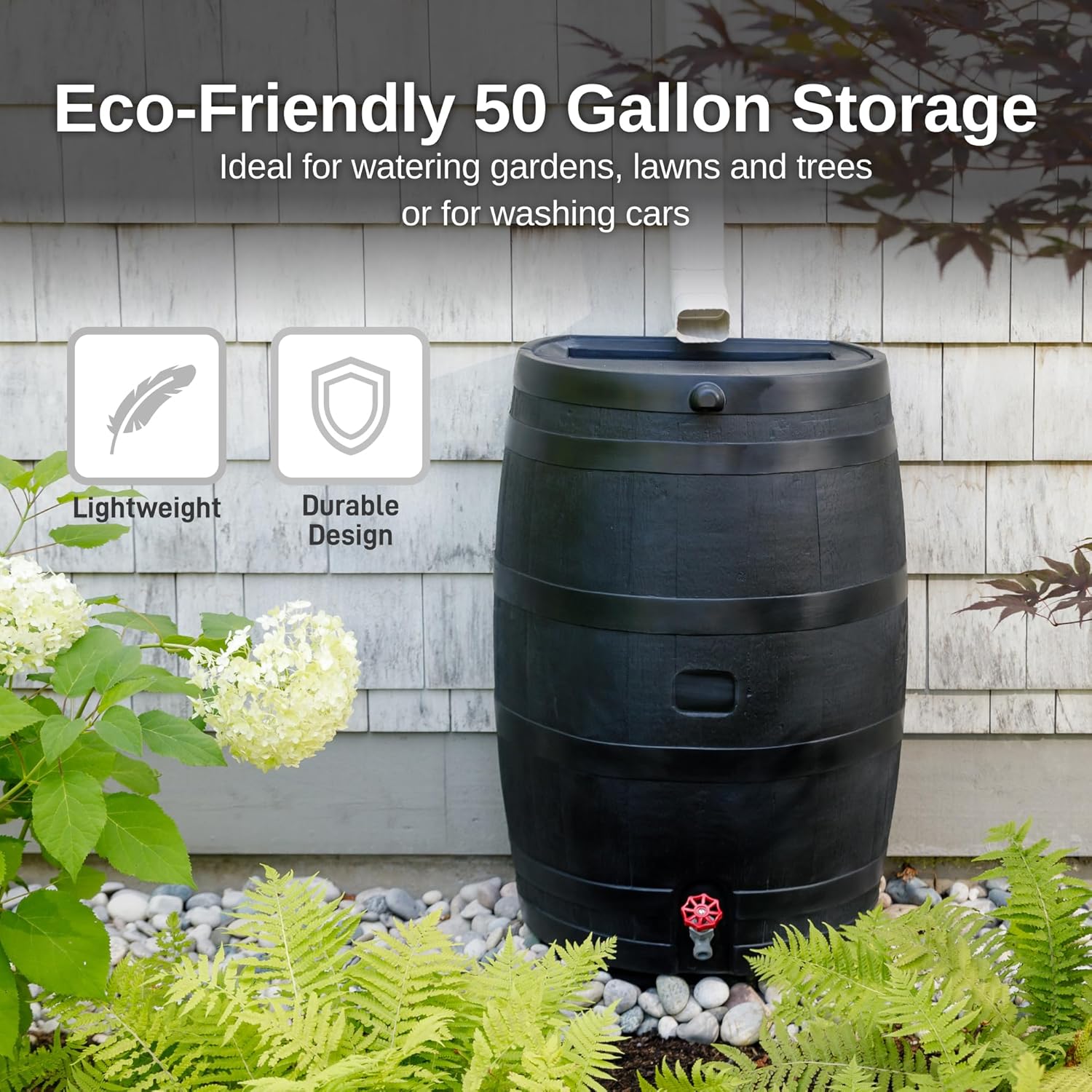
RTS Home Accents 50-Gallon ECO Rain Barrel [click to view…]
Capacity: 50-100 gallons
Best for: Garden watering, small properties
Investment: $30-160
Rain barrels represent the entry point for rainwater collection. These systems position large containers directly under downspouts to capture rainfall. While limited in capacity, they require minimal installation and provide immediate water access for garden irrigation.
Limitations: Frequent overflows during heavy rains mean missed collection opportunities. The small capacity restricts usage to basic garden watering.
Dry Collection Systems
Capacity: 1,000-5,000+ gallons
Best for: Larger properties, extensive irrigation needs
Investment: $2,000-4,000 (materials)
Dry systems utilize larger storage tanks positioned close to the house, allowing water to flow directly from gutters into storage. The “dry” designation refers to collection pipes that empty completely between rainfall events, preventing standing water issues.
Advantages: Larger storage capacity, simpler maintenance, lower cost than wet systems, reduced mosquito breeding potential.
Wet Collection Systems
Capacity: 5,000+ gallons
Best for: Multi-section roofs, distant tank placement
Investment: $8,000-15,000 (including installation)
Wet systems employ underground collection pipes connecting multiple downspouts from various roof sections. Rainwater fills these underground pipes before rising into the storage tank.
Advantages: Collect from multiple roof areas, flexible tank positioning
Considerations: Higher installation costs, potential mosquito breeding in standing pipe water, requires below-ground inlet positioning
Pumped Systems
Best for: Pressurized applications, indoor use, uphill water movement
Investment: Additional $940-1,400 for pump systems
When gravity alone cannot provide sufficient pressure, pumped systems become essential. These configurations support drip irrigation, indoor plumbing applications, and long-distance water distribution.
Essential System Components: Building Your Collection Strategy
Optimizing Your Catchment Area
Your roof serves as the primary collection surface, and its characteristics directly impact both water quantity and quality.
Roof Size Calculations For every 1,000 square feet of roof area, you can collect approximately 600 gallons from 1 inch of rainfall. A 2,000 square-foot roof in an area receiving 30 inches of annual rainfall could potentially harvest 36,000 gallons yearly.
Material Considerations Avoid roofing materials that compromise water quality:
- Wood shingles
- Copper components
- Lead flashing
- Biocide-treated materials
Smooth, impermeable surfaces like metal or composite materials provide the cleanest water collection.
Pre-Filtration: Your First Defense Against Contamination
Effective pre-filtration prevents system clogging and maintains water quality while deterring mosquito breeding.
Top Downspout Diverter Options
Why Pre-Filtration Matters The first flush of rainwater contains the highest concentration of roof contaminants—dust, bird droppings, and debris. Quality diversion systems automatically redirect this dirty water away from your storage tank.

EarthMinded FlexiFit Universal Diverter System [click to view…]

Total Rain All-in-One [click to view…]
Storage Solutions: Choosing the Right Tank
Storage tank selection balances capacity, durability, and budget considerations.
Top Rain Barrel Recommendations

RTS Home Accents 50-Gallon [click to view…]

VINGLI 50 Gallon Collapsible Rain Barrel [click to view…]

FCMP Outdoor Raincatcher 4000 [click to view…]
Distribution Systems: Getting Water Where You Need It
Gravity-Fed Systems Ideal for garden irrigation using soaker hoses or drip lines operating at 2-10 PSI. Position tanks higher than usage points to create natural water pressure without energy consumption.
Pumped Systems Required for consistent pressure applications, long-distance water movement, or indoor plumbing integration.
Top Pump Recommendations
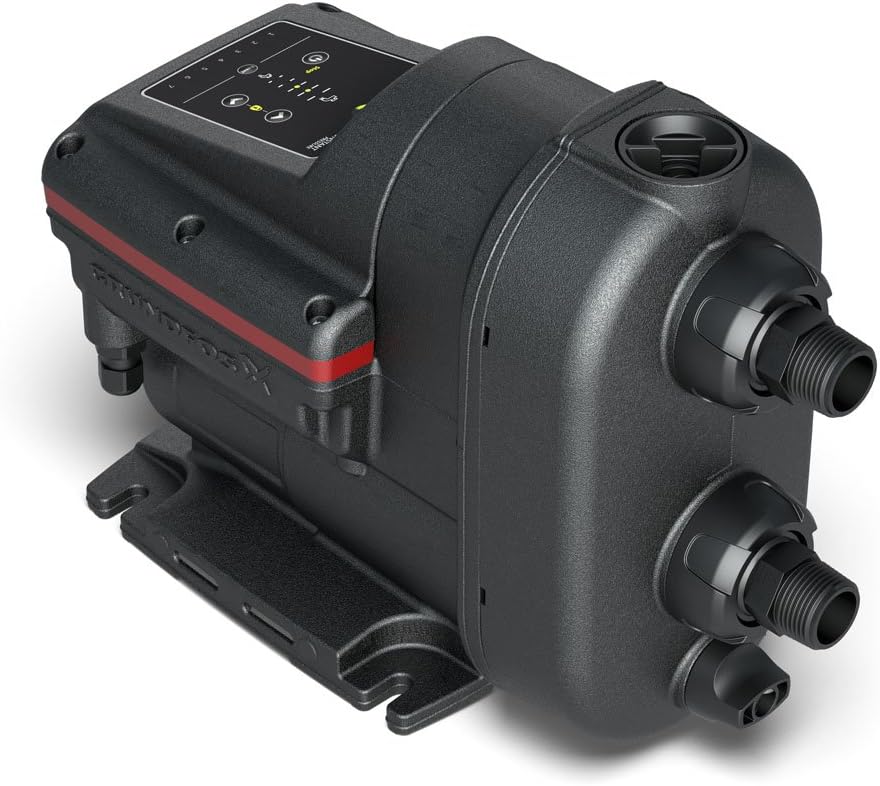
Grundfos Pressure Boosting Pump [click to view…]

DAB E.Sybox Mini 3 Electronic Pressurisation System [click to view…]
System Design Strategies: Maximizing Collection Efficiency
Site Assessment Essentials
Calculate Your Collection Potential
- Measure total roof catchment area (square feet)
- Research local average annual rainfall (inches)
- Apply collection formula: Roof area × rainfall × 0.623 = potential gallons
Example Calculation
- 1,500 sq ft roof
- 25 inches annual rainfall
- Collection potential: 1,500 × 25 × 0.623 = 23,363 gallons annually
Sizing Your System Correctly
Match storage capacity to both rainfall patterns and intended usage. Oversized tanks increase costs without proportional benefits, while undersized systems miss collection opportunities during heavy rainfall.
Storage Sizing Guidelines
- Basic garden irrigation: 50-100 gallons
- Comprehensive landscape watering: 500-1,500 gallons
- Household non-potable use: 2,000-5,000+ gallons
Legal Considerations: Know Before You Install
Rainwater harvesting regulations vary significantly by state and locality. Before purchasing any system components, research your area’s specific requirements.
States with Restrictions or Permit Requirements
- Colorado: 110-gallon maximum capacity
- Nevada: 20,000-gallon limit, non-potable use only
- Utah: Permit requirements
- Georgia: Outdoor use restrictions
States with Incentives
- California: Property tax exclusions for new installations
- Texas: Sales tax exemptions
- Various states: Rebate programs available
Contact your local water authority and building department for specific regulations and available incentives.
Maintenance: Protecting Your Investment
Regular maintenance ensures optimal performance and extends system lifespan. Annual maintenance costs typically range from $750-1,000, covering filter replacements and system inspections.
Monthly Tasks
- Clean gutter debris
- Check first flush diverter operation
- Inspect overflow spouts
- Verify pump operation (if applicable)
Seasonal Tasks
- Replace inlet filters
- Inspect tank for cracks or leaks
- Winterize systems in freezing climates
- Test backflow prevention devices
Annual Tasks
- Comprehensive system inspection
- Pump maintenance and lubrication
- Tank sediment removal (if needed)
- Filter system overhaul
Cost Analysis: Understanding Your Investment
Initial Investment Ranges
Basic Rain Barrel Setup: $100-300
- Single 50-60 gallon barrel
- Basic downspout diverter
- Simple installation
Intermediate Dry System: $2,500-5,000
- 1,000-2,000 gallon tank
- Advanced pre-filtration
- Professional installation
Advanced Wet System: $8,000-15,000
- 5,000+ gallon capacity
- Underground collection network
- Pump and pressure systems
Return on Investment
Water Bill Savings Assuming municipal water costs $4-8 per 1,000 gallons:
- 23,000 gallons annually = $92-184 in direct savings
- Additional savings from reduced landscape watering restrictions
- Premium water quality for sensitive plants
Payback Periods
- Basic systems: 2-4 years
- Intermediate systems: 8-12 years
- Advanced systems: 15-20 years
Factor in property value increases, tax incentives, and environmental benefits for comprehensive ROI analysis.
Conclusion: Start Collecting Today
The best rainwater collection system balances your specific needs with available investment capital. Starting with a basic rain barrel system allows you to experience the benefits immediately while planning for future expansion.
Key Success Factors
- Match system scale to actual usage needs
- Prioritize quality pre-filtration components
- Plan for linkable, expandable configurations
- Comply with all local regulations
- Commit to regular maintenance schedules
Remember that even a simple 60-gallon rain barrel collecting water from a modest roof section can harvest thousands of gallons annually. This free water resource reduces your environmental footprint while providing superior irrigation for your landscape.
Start with components that fit your current needs and budget, then expand your system as you experience the benefits of rainwater collection. Your wallet, your garden, and your local watershed will benefit from this sustainable choice.
Dora Decora is a biophilic interior design specialist and passionate blogger. With a deep commitment to integrating nature into living spaces, Dora specializes in creating environments that foster human-nature connections through thoughtful design elements. Her approach emphasizes sustainable materials, natural lighting, and organic patterns that enhance wellbeing and reduce environmental impact.
This post (https://homechroma.com/best-rainwater-collection-systems) was originally published by Dora Decora on Home Chroma. As an Amazon Associates partner, we are compensated for all qualifying purchases.