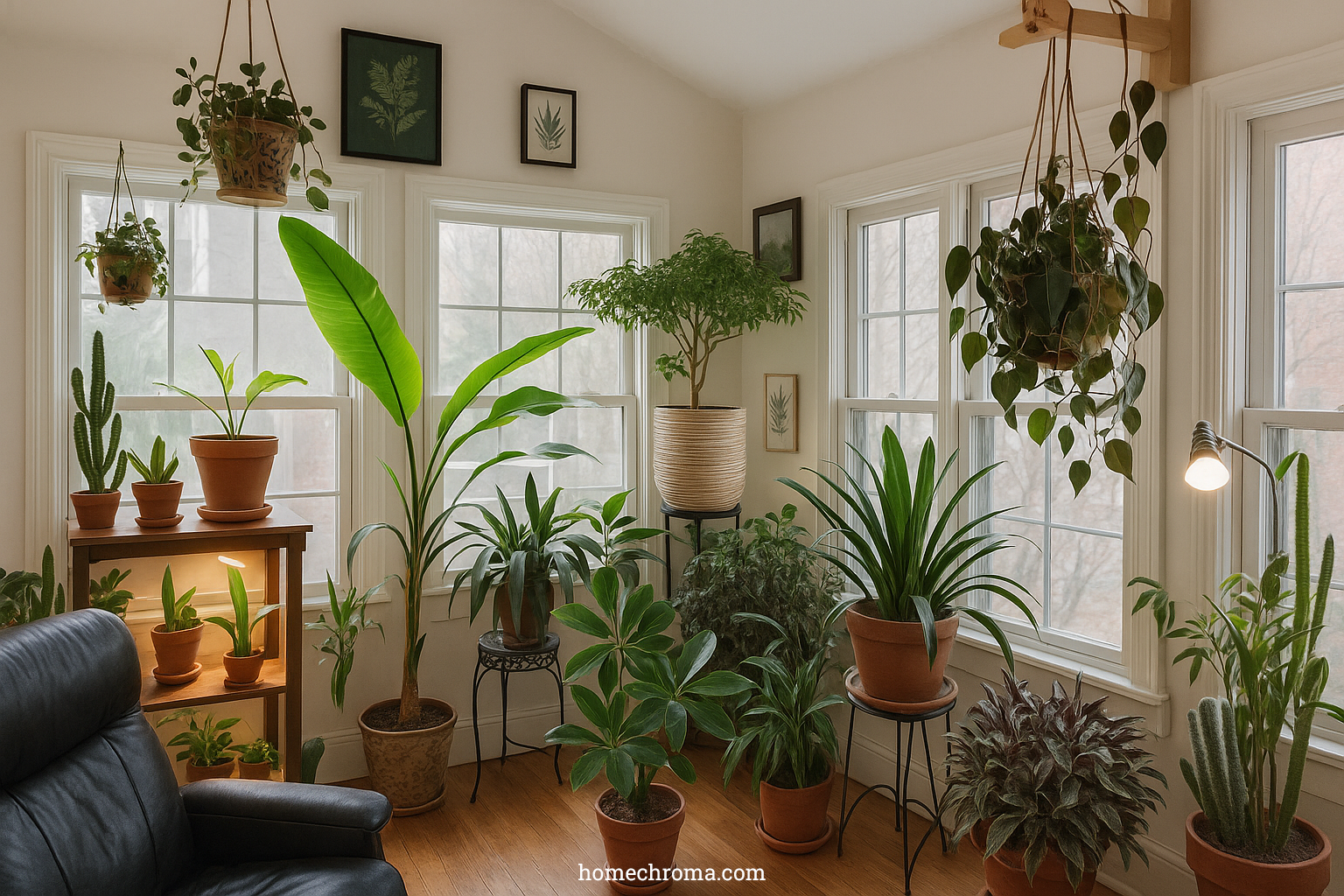
 Why Umbrella Trees Work Perfectly in Small Spaces
Size Management Made Simple
While outdoor Schefflera can reach impressive heights of up to 40 feet, indoor specimens naturally contain themselves to a manageable 3-10 feet. This dramatic size reduction, combined with strategic cultivar selection and regular pruning, makes them ideal for apartment living.
Key Benefits for Apartment Dwellers:
- Natural air purification capabilities
- Tolerance for typical indoor conditions
- Responsive to pruning and shaping
- Fast growth with manageable maintenance
- Adaptable to various light conditions
Understanding Your Species Options
Schefflera arboricola: The Apartment Champion
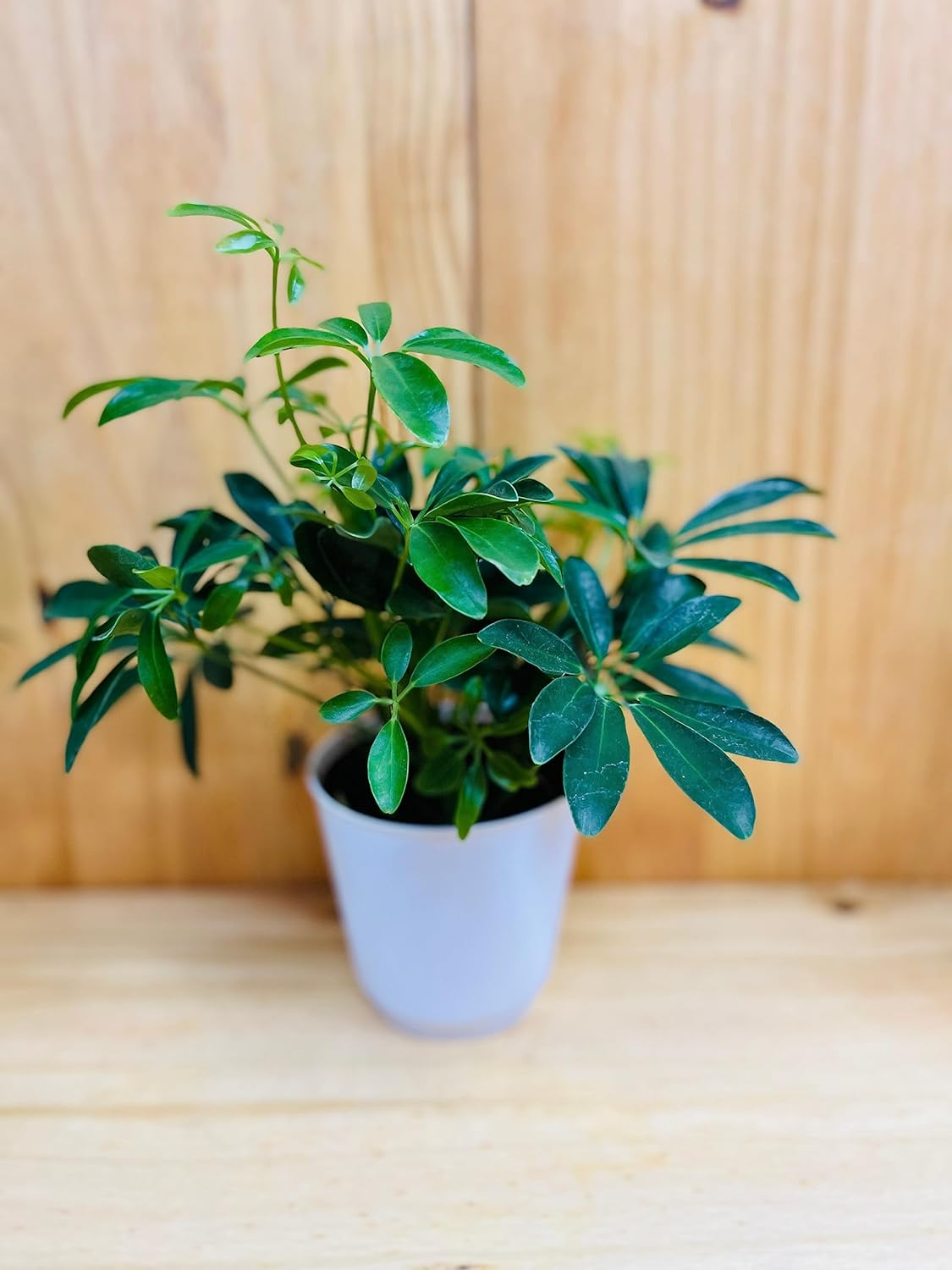
Dwarf Umbrella Tree [click to view…]
For compact living, Schefflera arboricola (Dwarf Umbrella Tree) stands as the clear winner. This Taiwan native typically reaches 4-8 feet indoors, featuring smaller 2-4 inch leaflets arranged in tight clusters. Its naturally bushy, compact growth habit makes it perfect for apartment constraints.
Why S. arboricola Excels:
- Superior tolerance for medium light conditions
- Compact, dense growth pattern
- Highly responsive to pruning
- Available in numerous apartment-friendly cultivars
Schefflera actinophylla: Consider with Caution
The Australian Umbrella Tree (S. actinophylla) grows significantly larger, reaching 6-15 feet indoors with leaflets up to 12 inches long. While stunning, its inherent tendency toward substantial size makes it less suitable for truly compact apartments, despite being more drought-tolerant than its dwarf cousin.
The 5 Easiest Compact Umbrella Tree Cultivars
1. ‘Alpine’ (Schefflera alpina) – Perfect for Narrow Spaces
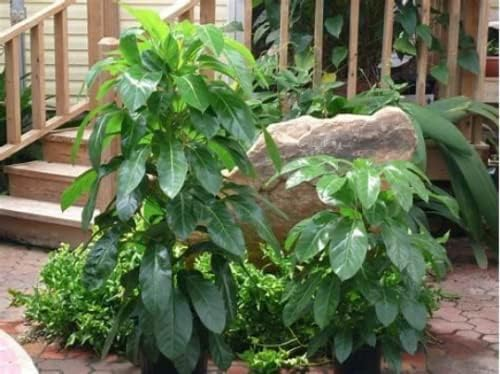
Alpine Schefflera ‘Junior’ Umbrella Tree [click to view…]
Mature Size: 2-6 feet tall, 1-3 feet wide Special Features: Distinctive columnar growth habit ideal for tight corners
‘Alpine’ excels in apartments with limited floor space. Its upright, narrow growth pattern maximizes vertical space while minimizing lateral spread. This cultivar tolerates cooler temperatures better than most Schefflera varieties and thrives in lower light conditions.
Care Highlights:
- Extremely low maintenance
- Excellent low-light tolerance
- Regular pruning maintains desired height
- Perfect for narrow hallways or corners
2. ‘Trinette’ – Striking Variegated Beauty
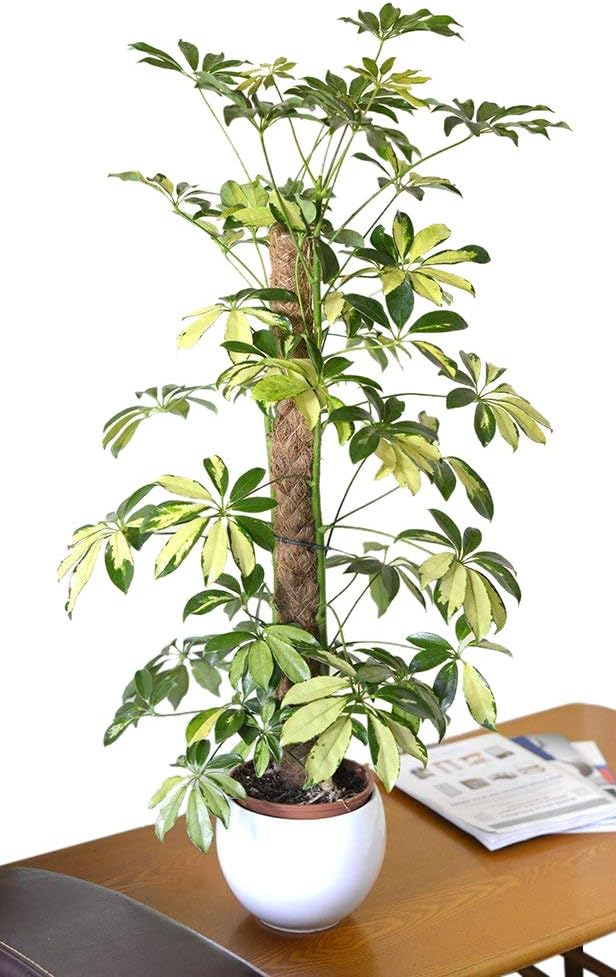
Arboricola trinette umbrella tree [click to view…]
Mature Size: Approximately 3 feet tall and wide Special Features: Glossy leaves with yellow variegation and creamy white edges
This naturally dwarf cultivar brings visual interest through its striking variegated foliage. ‘Trinette’ adapts well to various light conditions, performing strongly under both natural and artificial lighting.
Care Highlights:
- Naturally compact growth habit
- Well-drained, consistently moist soil preferred
- Can be pruned anytime for optimal appearance
- Suitable for tabletop or floor placement
3. ‘Janine’ – The Beginner’s Dream
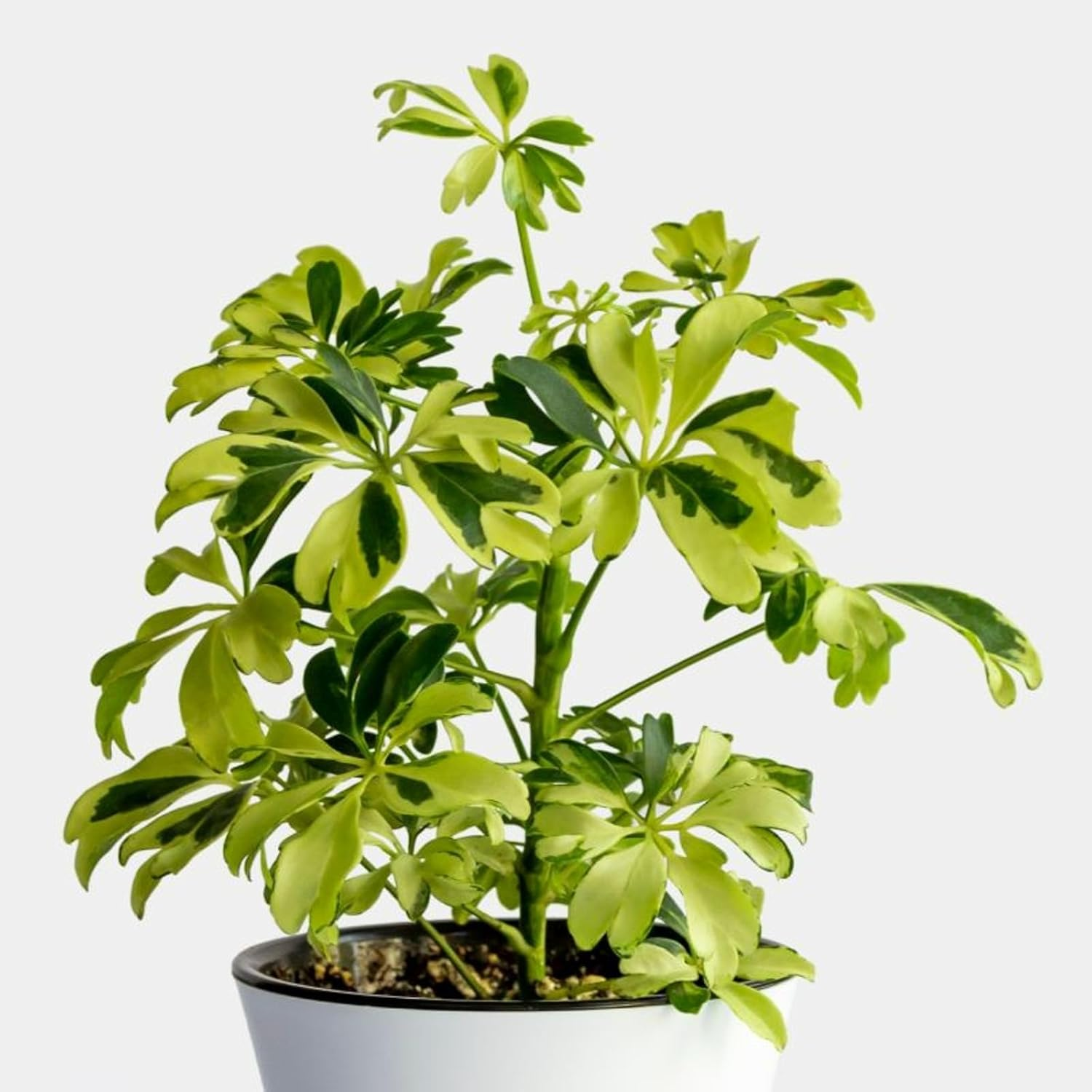
Mature Size: 1-4 feet tall, 3 feet wide Special Features: Exceptional tolerance for challenging conditions
‘Janine’ stands out as potentially the easiest umbrella tree for apartment living. This cultivar demonstrates remarkable tolerance for low light and dry home environments while maintaining its attractive creamy white variegated appearance.
Care Highlights:
- Very forgiving and easy-going
- Excellent choice for beginners
- Dense, upright growth habit
- Remarkably tolerant of neglect
4. ‘Compacta’/’Dwarf‘ – Purpose-Built for Small Spaces
Mature Size: 3-6 feet tall, bushy spread Special Features: Specifically bred for smaller, denser growth
These cultivars were developed explicitly for compact growing. ‘Compacta’ features dense clusters of glossy green leaves, while ‘Dwarf’ typically maxes out at 4 feet with dark green foliage.
Care Highlights:
- Easy-care and highly adaptable
- Regular pruning encourages bushier growth
- Tolerates medium light conditions
- Perfect for floor placement
5. ‘Gold Capella’ – Vibrant Variegated Option
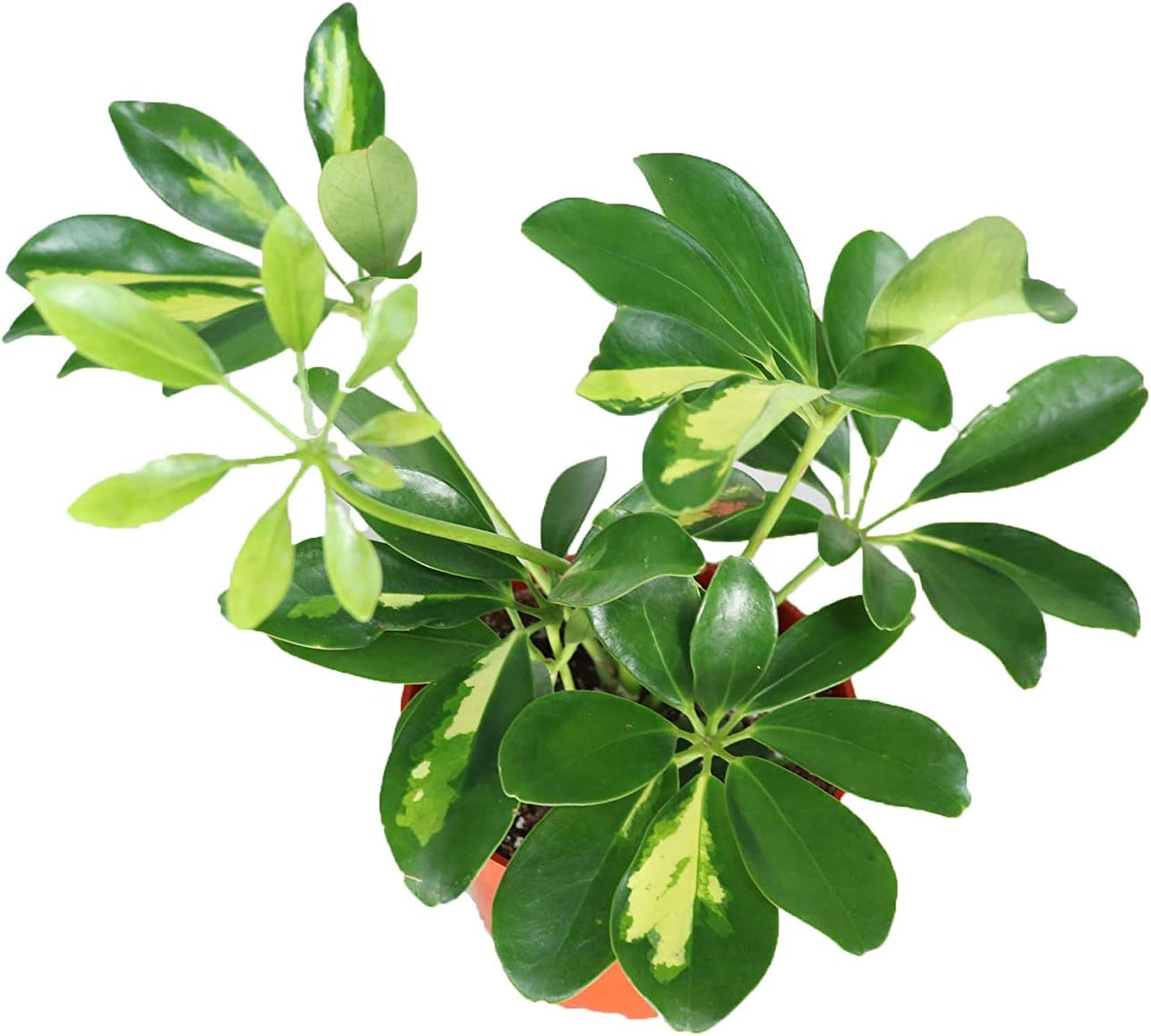
Schefflera Arboricola ‘Gold Capella’ [click to view…]
Mature Size: 3-7 feet tall, 3 feet wide Special Features: Striking golden-yellow variegation on dark green leaves
‘Gold Capella’ offers stunning visual appeal with its gold and green variegated foliage. While slightly larger than other compact options, it maintains a dwarfed habit compared to standard varieties.
Care Highlights:
- Easy-care, beginner-friendly
- Requires slightly more light than solid green varieties
- Water only after top soil layer dries
- Excellent for adding color to apartments
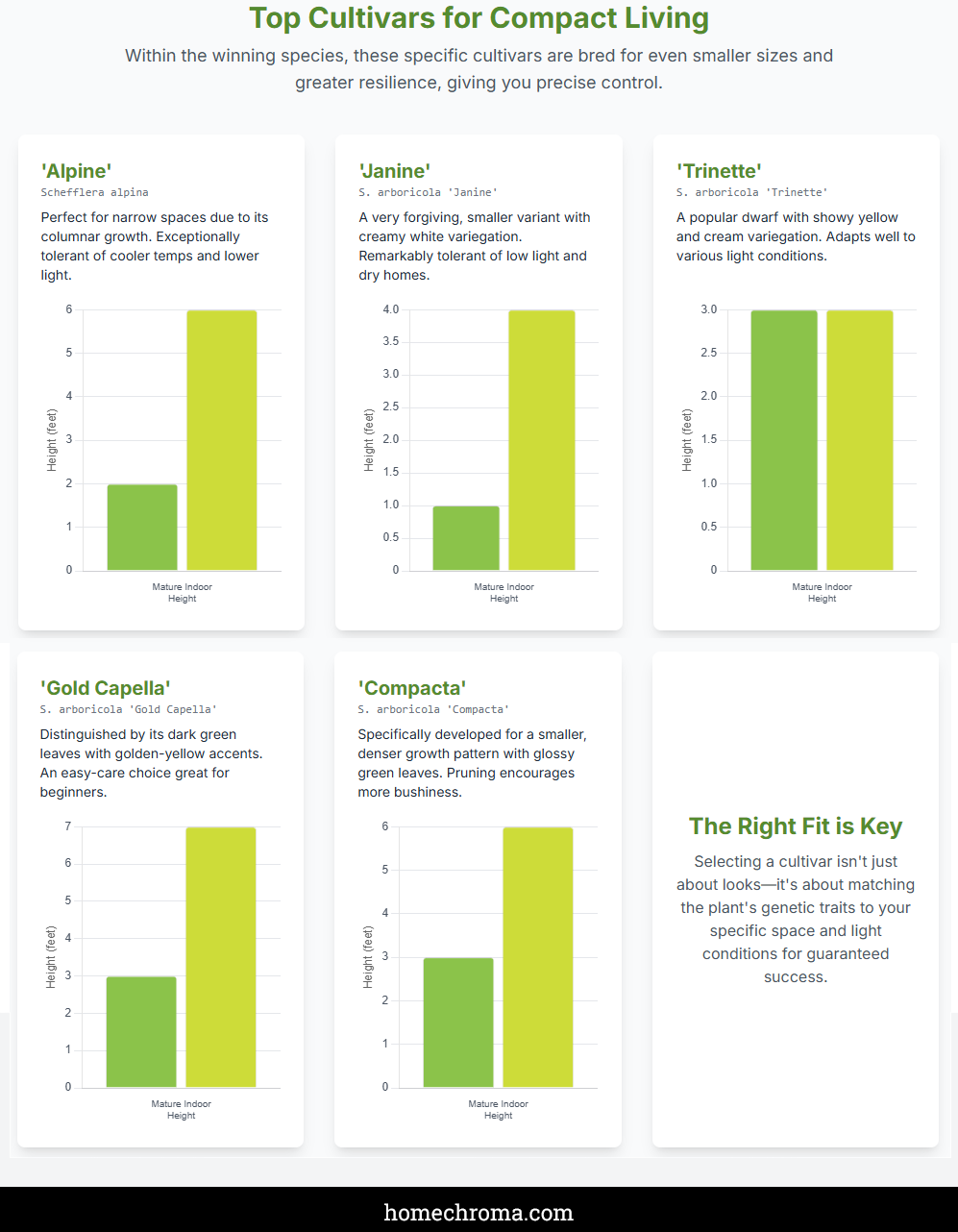
Comparative Overview: Quick Reference Guide
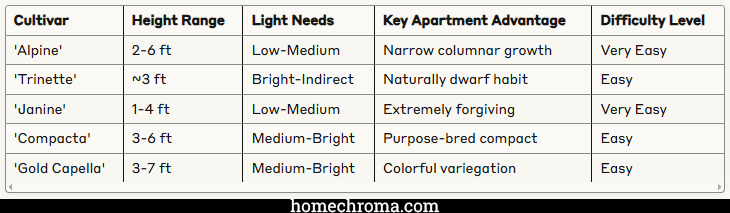
Essential Care for Apartment Success
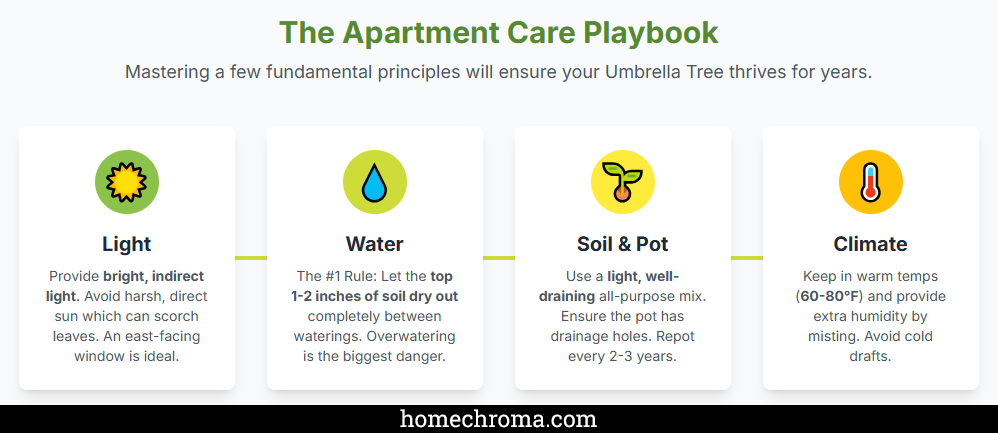
Light Requirements: Working with What You Have
Optimal Placement: East-facing windows providing gentle morning sun represent ideal conditions. Bright, indirect light promotes the best growth and appearance.
Lower Light Tolerance: Schefflera arboricola adapts reasonably well to medium light conditions, though growth may slow and the plant might develop a “leggy” appearance. Solid green varieties generally handle lower light better than variegated ones.
Pro Tips:
- Rotate plants periodically for even growth
- Avoid harsh afternoon sun that can scorch leaves
- Consider moving plants near windows during winter months
Watering Wisdom: The Make-or-Break Factor
The Golden Rule: Allow the top 1-2 inches of soil to dry completely between waterings. Overwatering remains the primary cause of umbrella tree failure in apartments.
Seasonal Adjustments:
- Spring/Summer: More frequent watering during active growth
- Fall/Winter: Reduce watering as growth naturally slows
Warning Signs:
- Overwatering: Yellowing leaves, leaf drop, musty soil smell
- Underwatering: Pale, curling, drooping leaves
Strategic Pruning: Your Size Control Superpower
Pruning represents your most powerful tool for maintaining apartment-appropriate size. Schefflera plants respond exceptionally well to even aggressive pruning.
Techniques for Compact Living:
- Height Control: Cut just above leaf nodes to encourage bushier growth
- Width Management: Trim horizontal branches back to nodes
- Leggy Growth: Cut stems back to 3-4 inches to stimulate new growth
- Timing: Indoor plants can be pruned year-round
Soil and Repotting Essentials
Soil Requirements: Light, well-draining, peat-moss-based potting mix with coarse material for superior drainage.
Repotting Schedule: Every 2-3 years or when roots emerge from drainage holes. Choose pots only 1-2 inches larger in diameter to prevent overwatering issues.
Temperature and Humidity Management
Ideal Conditions: 60-80°F temperature range with higher humidity when possible.
Humidity Boosting Methods:
- Regular misting of foliage
- Pebble trays filled with water (pot sitting above water level)
- Room humidifiers
- Grouping with other plants
Troubleshooting Common Apartment Challenges
Addressing Growth Issues
Leggy Growth Solutions:
- Move to brighter location
- Prune elongated stems
- Increase light exposure gradually
Leaf Problems:
- Yellow/Dropping Leaves: Usually overwatering; adjust watering schedule
- Pale/Curling Leaves: Typically underwatering; increase frequency slightly
Pest Management in Closed Spaces
While generally pest-resistant, apartment conditions can occasionally foster issues:
Common Pests: Spider mites, mealybugs, aphids, scale insects
Prevention and Treatment:
- Regular misting helps prevent spider mites
- Inspect new plants thoroughly before bringing indoors
- Treat infestations promptly with insecticidal soap or horticultural oil
- Quarantine affected plants when possible
Critical Safety Considerations
Toxicity Warning: Essential Information for Pet Owners
Schefflera Species Toxicity: All Schefflera plants contain insoluble calcium oxalate crystals, making them toxic to dogs, cats, and humans.
Symptoms of Pet Ingestion:
- Excessive drooling
- Pawing at mouth
- Oral pain and irritation
- Decreased appetite
- Vomiting
- Rare but possible: airway swelling
Safe Placement Strategies
Pet-Safe Locations:
- High shelves beyond pet reach
- Hanging planters
- Rooms restricted from pet access
- Behind furniture barriers
Alternative Consideration: Plerandra elegantissima (False Aralia) offers similar aesthetics with conflicting toxicity reports—some sources list it as non-toxic while others suggest mild toxicity. Exercise caution and precise plant identification.
Creating Your Apartment Green Oasis
Selecting the right umbrella tree cultivar transforms your compact apartment into a lush, tropical retreat. The five cultivars highlighted—’Alpine,’ ‘Trinette,’ ‘Janine,’ ‘Compacta,’ and ‘Gold Capella’—each offer unique advantages for apartment living while maintaining the manageable care requirements that make Schefflera so appealing.
With consistent care and attention to these fundamental principles, your umbrella tree will thrive in its compact home, providing years of natural beauty, improved air quality, and the satisfaction of successful apartment gardening. The key lies not just in selecting any umbrella tree, but in choosing the specific cultivar that aligns with your space constraints, lighting conditions, and care capabilities.
Your apartment oasis awaits—start with the right plant, follow proven care practices, and watch your compact green sanctuary flourish.
Dora Decora is a biophilic interior design specialist and passionate blogger. With a deep commitment to integrating nature into living spaces, Dora specializes in creating environments that foster human-nature connections through thoughtful design elements. Her approach emphasizes sustainable materials, natural lighting, and organic patterns that enhance wellbeing and reduce environmental impact.
This post (https://homechroma.com/best-umbrella-trees-for-small-apartment-living) was originally published by Dora Decora on Home Chroma. As an Amazon Associates partner, we are compensated for all qualifying purchases.