Are moths destroying your favorite sweaters? Silverfish invading your drawers? Ants marching through your closets? You’re not alone in this battle against household pests, and you don’t need harsh chemicals to win.
Traditional pest control often means choosing between effectiveness and safety. Chemical solutions work but come with concerns about toxicity to your family, pets, and environment. Natural alternatives seem safer but often fail to deliver real results.
There’s a better way.
Cedarwood drawer inserts offer a scientifically-proven, naturally effective solution that’s been protecting homes for centuries. Modern research now validates what our ancestors knew: cedar doesn’t just smell good—it actively fights pests through sophisticated biological mechanisms.
The Science Behind Cedar’s Pest-Fighting Power
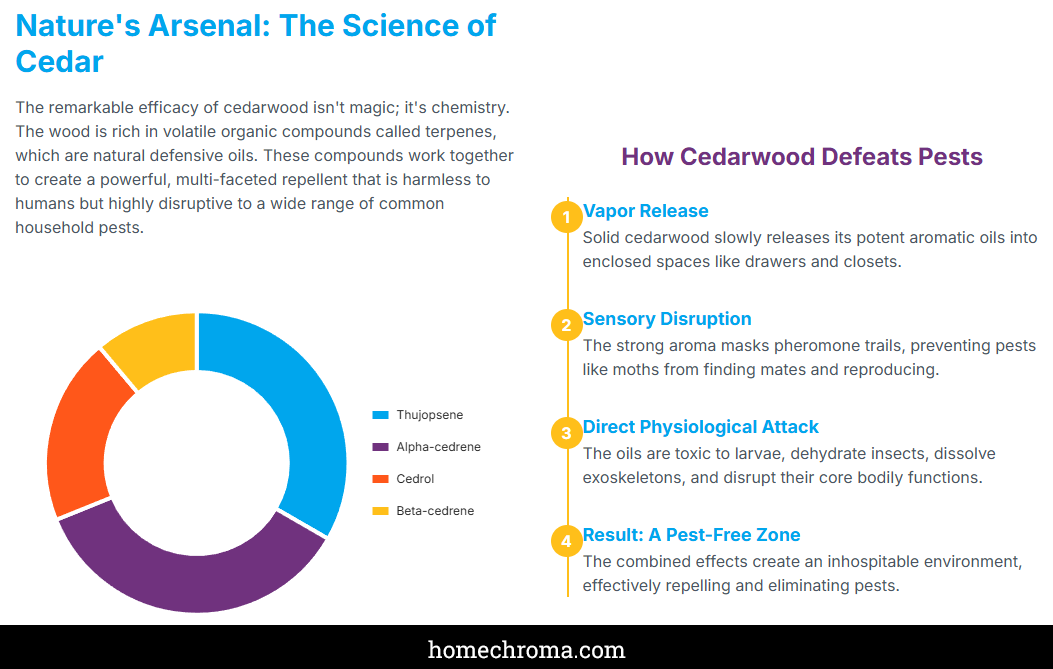
Nature’s Chemical Warfare
Cedarwood’s effectiveness stems from volatile organic compounds called terpenes—natural chemicals that cedar trees produce as biological defense mechanisms. These compounds work through multiple pathways to eliminate and repel pests.
Your Pest Problems, Solved Naturally
Fabric-Damaging Pests
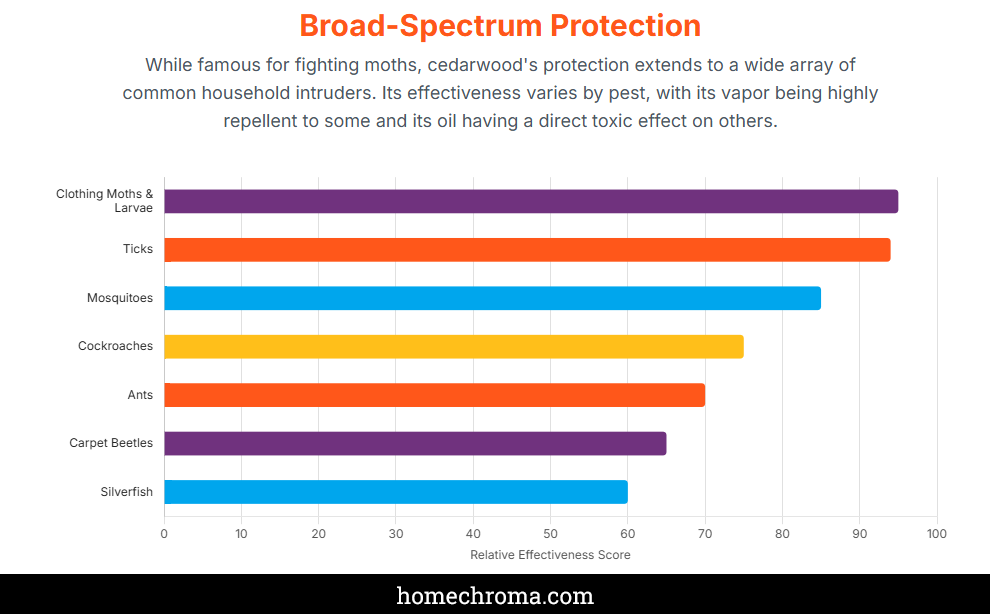
Moths (clothing and pantry varieties): Cedar provides complete lifecycle disruption—killing larvae, repelling adults, and preventing egg-laying.
Carpet Beetles: Eastern red cedar shows significant deterrent effects against black carpet beetles that damage stored fabrics.
Silverfish: Cedar demonstrates strong repellency without toxicity, keeping these paper-eating pests away from important documents and clothing.
Crawling Invaders
Ants: Cedar blocks create effective barriers against red imported fire ants and common household varieties, preventing access to food sources.
Cockroaches: Research confirms cedar oil’s “knockdown” effect, incapacitating these resilient pests.
Termites: Cedar oil repels these destructive insects before they can establish colonies.
Flying Nuisances
Mosquitoes: Thujopsene component deters mosquito biting by up to 96% in vapor form, with particular effectiveness against malaria-carrying Anopheles species.
Houseflies: Cedar demonstrates significant deterrent and incapacitating effects on these disease-carrying insects.
Other Household Pests
Spiders: Natural deterrent makes dark closets and storage areas less inviting without eliminating beneficial outdoor populations.
Ticks: Cedrol achieves complete mortality in laboratory studies and repels 94% of black-legged tick nymphs—effectiveness comparable to DEET.
Fleas and Mites: Cedar oil kills and repels these parasitic pests effectively.
Strategic Implementation for Maximum Results
Placement That Works

Professor Killamoth Cedar Chips and Lavender Sachets [click to view…]
Closets: Hang cedar sachets in breathable bags, space evenly throughout the area. Use approximately one standard-sized block per cubic foot of space.
Drawers and Storage Bins: Place several blocks or sachets in each drawer. For larger containers, distribute pieces throughout to ensure complete coverage.
Seasonal Storage: Cedar inserts provide continuous protection for packed-away items during wardrobe transitions.
Protecting Delicate Fabrics
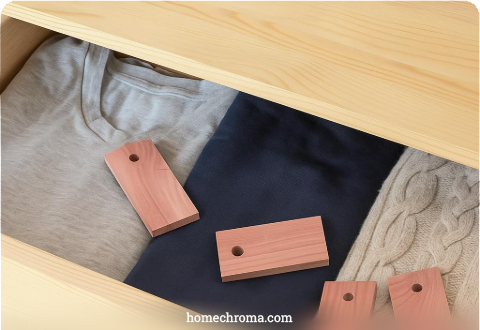
ecoKiwi Cedar Blocks for Clothes Storage [click to view…]
Wool and Cashmere: Place cedar mothballs directly with these garments—they’re prime moth targets.
Silk and Ultra-Delicate Items: Use breathable cotton bags to prevent direct wood-to-fabric contact while maintaining protective vapor circulation.
Critical Rule: Always ensure clothes are completely dry before storage. Moisture promotes mold growth on both garments and cedar.
Integration with Organization Systems
Cedar works best as part of a comprehensive storage strategy:
- Group items by type and frequency of use
- Use drawer dividers to create designated zones
- Place frequently used items at the front
- Roll clothes to maximize space in smaller drawers
- Maintain regular cleaning and decluttering schedules
Maintaining Cedar’s Potency
Cedar’s aromatic oils naturally evaporate over time, but simple maintenance restores full effectiveness.
Refreshment Techniques
Light Sanding (every 3-6 months):
- Use fine-grain sandpaper (220-grit)
- Sand gently in direction of wood grain
- Removes aged surface layer
- Releases fresh burst of aromatic oils
Cedar Oil Application:
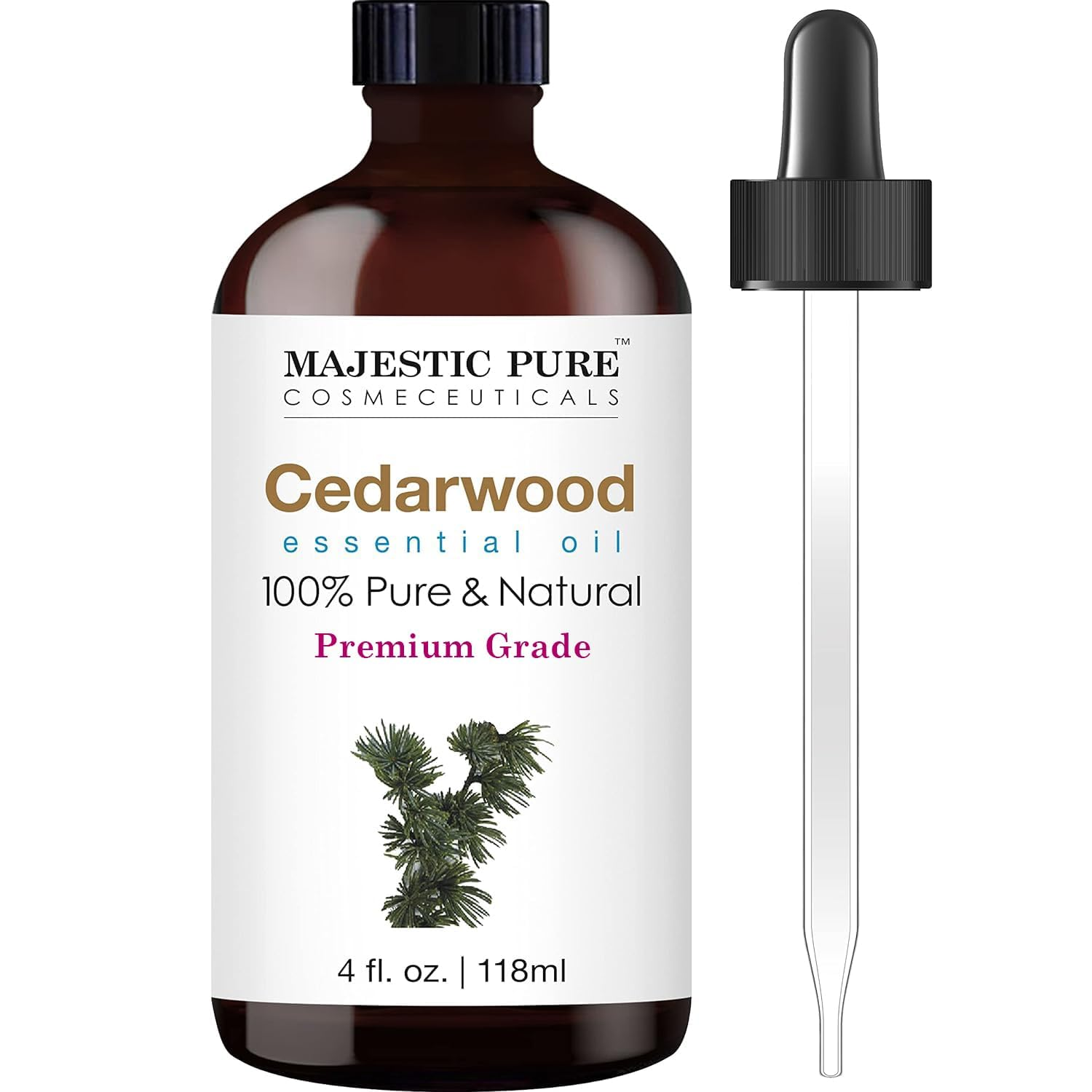
MAJESTIC PURE Cedarwood Essential Oil [click to view…]
- Apply 100% pure cedarwood oil with lint-free cloth
- Use commercial cedar oil sprays for convenience
- Provides intensive rejuvenation when needed
Longevity Strategies
With proper care, cedar blocks last several years:
- Rotate placement every few months for even exposure
- Monitor storage areas for pest activity signs
- Replace when scent significantly diminishes despite refreshing attempts
- Reapply outdoor cedar granules every few months or after heavy rains
Safety: Natural Doesn’t Mean Careless
Proven Safety Record
EPA Recognition: Cedarwood oil registered as minimum risk pesticide since 1960, exempted from FIFRA regulations due to minimal risk profile.
FDA Classification: “Generally Recognized as Safe” (GRAS) as food additive.
Research Validation: Studies on rats and rabbits show limited or no toxicity from dermal application. Human patch tests reveal no skin irritation in 95 subjects.
Environmental Benefits
Cedar offers significant ecological advantages:
- Biodegradable: Naturally breaks down without environmental persistence
- No Resistance Development: Pests can’t adapt to cedar’s complex mechanisms like they do to synthetic chemicals
- Soil Enrichment: Cedar granules decompose to improve soil quality
Important Distinctions
Safe: Cedarwood products from wood (drawer inserts, blocks, sachets)
Potentially Harmful: Cedar leaf oil (contains high thujone concentrations, can cause poisoning if ingested)
Different Risk Profile: Industrial cedar dust exposure (occupational hazard) vs. home use of solid inserts (minimal exposure risk)
Handling Guidelines
- Wear gloves when applying concentrated cedar oil
- Ensure adequate ventilation in storage areas
- Wash hands thoroughly after handling concentrated products
- Keep concentrated oils away from children
The Natural Choice for Modern Homes
Cedarwood drawer inserts represent more than just pest control—they’re a commitment to safer, more sustainable home management. The scientific evidence is clear: cedar’s complex terpene compounds provide broad-spectrum protection through multiple biological mechanisms that pests cannot develop resistance to.
Unlike chemical alternatives that pose health risks and environmental concerns, cedar offers proven effectiveness with a remarkable safety profile. Its biodegradable nature and soil-enriching properties make it an environmentally responsible choice that aligns with modern ecological values.
The results speak for themselves: protected fabrics, eliminated pest problems, fresh-smelling storage areas, and peace of mind knowing your family and pets are safe from toxic exposures.
Dora Decora is a biophilic interior design specialist and passionate blogger. With a deep commitment to integrating nature into living spaces, Dora specializes in creating environments that foster human-nature connections through thoughtful design elements. Her approach emphasizes sustainable materials, natural lighting, and organic patterns that enhance wellbeing and reduce environmental impact.
This post (https://homechroma.com/combat-pests-naturally-with-cedarwood-drawer-inserts) was originally published by Dora Decora on Home Chroma. As an Amazon Associates partner, we are compensated for all qualifying purchases.