 Every year, the average American household spends over $120 on toilet paper. Multiply that by decades, and you’re looking at thousands of dollars—not to mention the environmental devastation of cutting down 27,000 trees daily just for toilet paper production.
But here’s what most people don’t realize: there’s a solution that’s not only better for your wallet and the planet, but can actually be more hygienic than traditional toilet paper when done correctly.
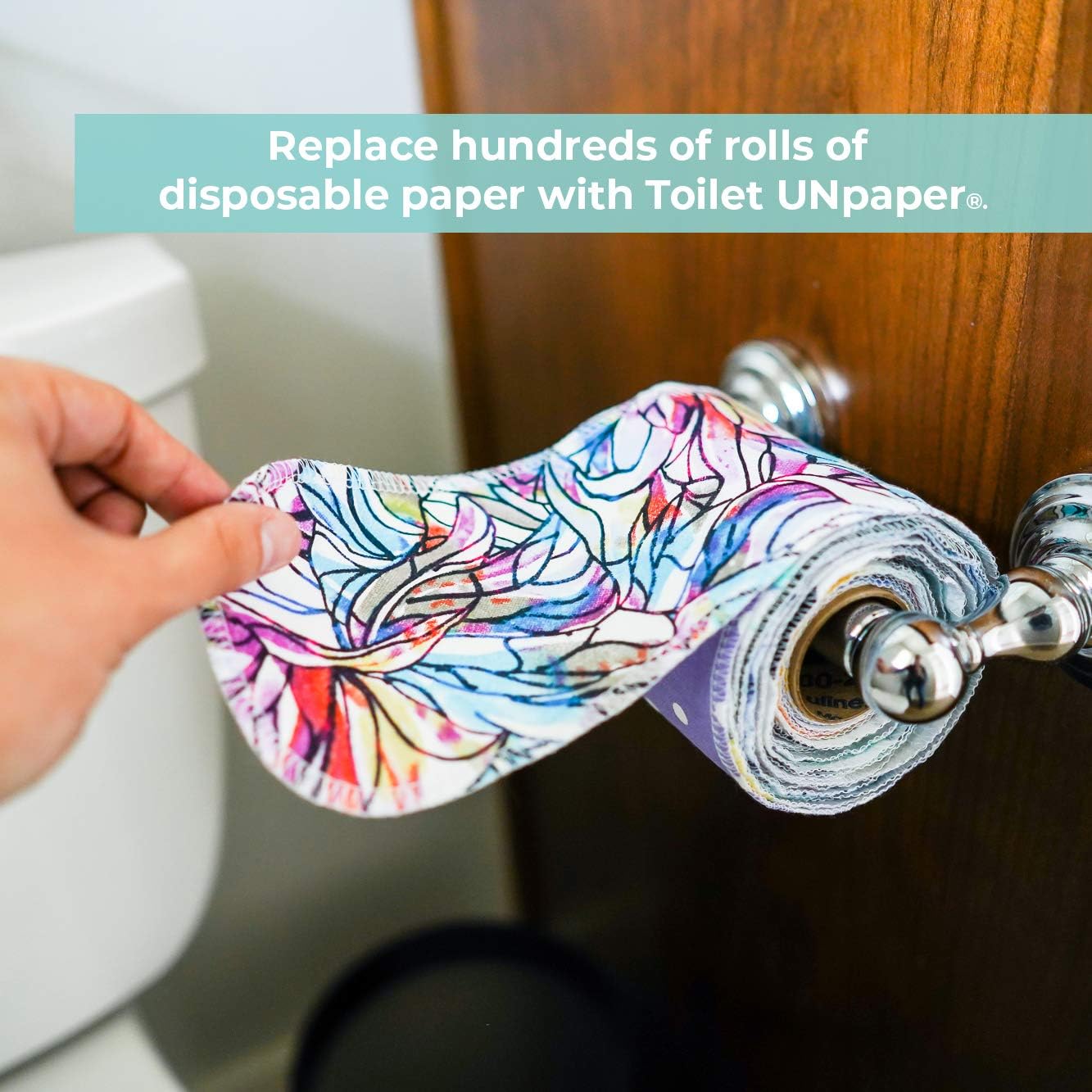
Yes, we’re talking about reusable toilet paper, also known as “family cloth.” Before you click away, give us five minutes to show you why this isn’t gross—it’s genius.
The Dirty Truth About “Clean” Toilet Paper
Traditional toilet paper comes with hidden problems:
Environmental Impact:
- 27,000 trees cut down daily for toilet paper
- Massive water consumption in production
- Chemical bleaching processes
- Non-biodegradable packaging waste
Financial Drain:
- $120+ annually per household
- Prices consistently rising
- Endless repurchasing cycle
Health Concerns:
- Chemical residues from bleaching
- Potential skin irritation
- Ineffective cleaning compared to water-based methods
- Microscopic paper particles
What Makes Reusable Toilet Paper More Hygienic?
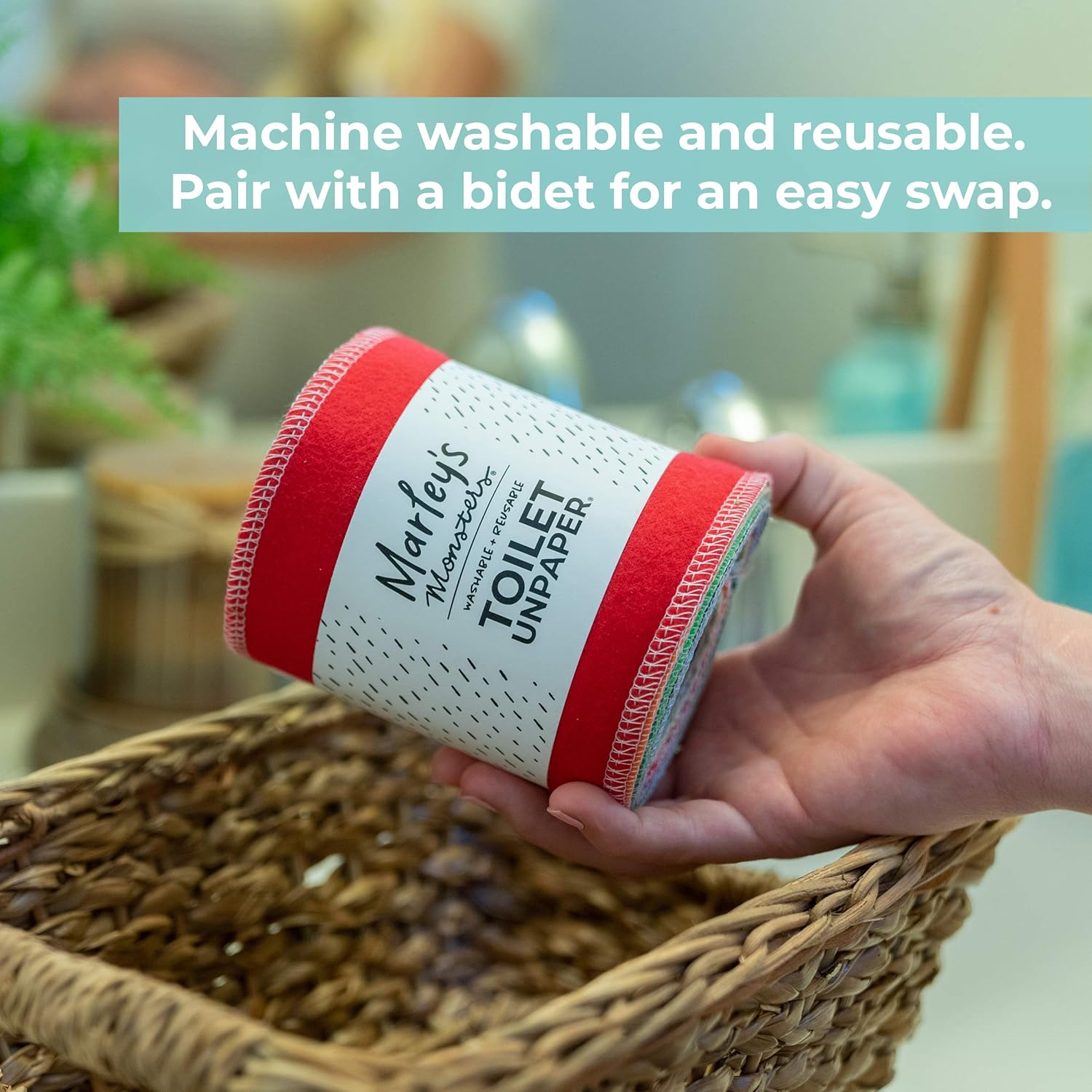
Marley’s Monsters Toilet UNpaper [click to view…]
The secret lies in understanding what true cleanliness means. While traditional toilet paper simply moves waste around, a properly implemented reusable system actually removes contaminants more effectively.
Here’s why:
- Superior Material Properties: Natural fibers like cotton and bamboo have antimicrobial properties and superior absorbency
- Water Integration: When combined with bidets, cloths only contact clean skin
- High-Temperature Sanitization: Regular hot water washing (160°F+) kills bacteria more effectively than dry wiping
- Fresh Supply: Each use gets a completely clean cloth, unlike public restrooms with questionable paper supplies
The Science of Hygienic Materials
Not all fabrics are created equal. For maximum hygiene, you need materials that:
Top Hygienic Materials:
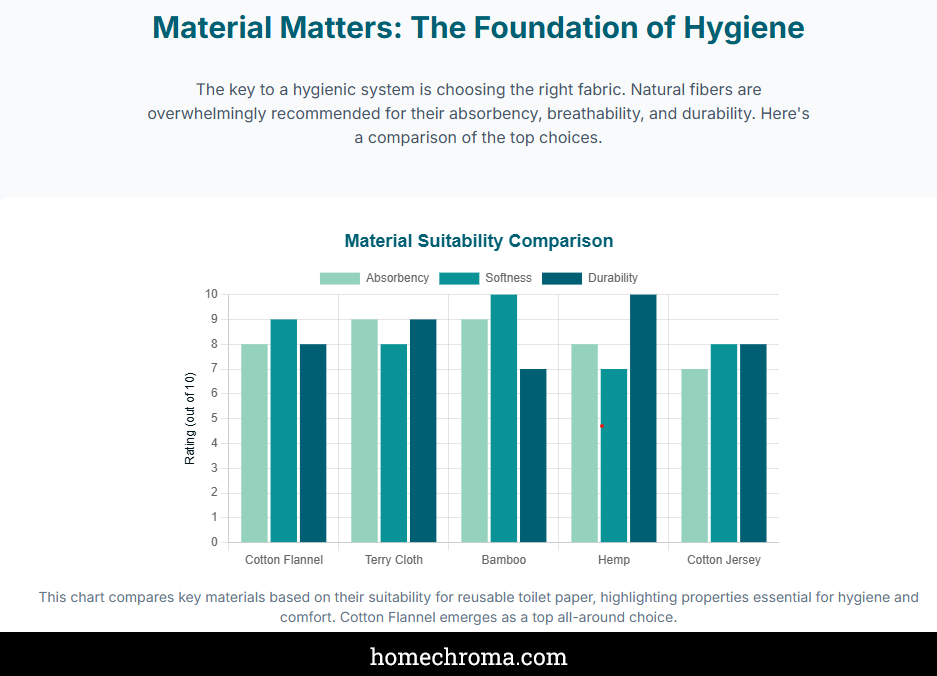
1. Cotton Flannel ⭐⭐⭐⭐⭐
- Naturally antimicrobial
- Exceptional absorbency
- Softens with each wash
- Durable through hundreds of wash cycles
2. Bamboo Fabric ⭐⭐⭐⭐⭐
- Natural antimicrobial properties
- Ultra-soft texture
- Becomes softer over time
- Highly absorbent
3. Hemp ⭐⭐⭐⭐
- Natural antimicrobial qualities
- Extremely durable
- Gets softer with use
- Excellent absorbency
4. Cotton Terry ⭐⭐⭐⭐
- Ultra-soft looped pile
- High absorbency for heavy-duty use
- Machine washable durability
Materials to Avoid:
- Microfiber: Releases microplastics during washing
- Polyester blends: Poor absorbency, traps odors
- Synthetic materials: No antimicrobial properties
The Game-Changer: Bidet Integration

LUXE Bidet NEO 120 [click to view…]
Here’s where reusable toilet paper becomes genuinely superior to traditional methods: bidet integration.
The Process:
- Use bidet to thoroughly clean with water
- Pat dry with reusable cloth
- Cloth only contacts clean, wet skin—never waste
Why This Changes Everything:
- Cloths stay remarkably clean (often looking “brand new” after use)
- Water removes 99.9% of bacteria before cloth contact
- Dramatically reduces washing burden
- Eliminates the “ick factor” completely
Bidet Options for Every Budget:
- Basic attachments: $40-60 (installs in 10 minutes)
- Electric seats: $200-500 (heated water, air drying)
- Standalone units: $300+ (permanent installation)
Even the simplest bidet attachment transforms reusable toilet paper from “alternative” to “superior hygiene system.”
Bulletproof Hygiene Protocols
Maximum hygiene requires systematic protocols. Here’s the science-backed approach:
Pre-Wash Storage:
Option 1: Dry Storage
- Lidded container (office trash can size)
- Empty directly into washing machine
- Change container every 2-3 days
Option 2: Wet Storage
- Waterproof wet bag with tight seal
- Add to washing machine with cloths
- Optional: Add borax or mild detergent to soaking water
Scientific Washing Protocol:
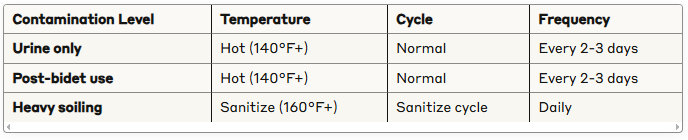
Required Washing Steps:
- Temperature: Use hottest setting fabric can handle (minimum 140°F)
- Detergent: Mild, unscented varieties (baby detergents work well)
- Additives: White vinegar (odor control) + baking soda (sanitization)
- Drying: Complete drying essential—air dry in sunlight or machine dry on high
Never Use:
- Fabric softeners (reduce absorbency)
- Harsh bleach without proper ventilation
- Excessive detergent (causes residue buildup)
Post-Wash Storage:
- Clean, dry container near toilet
- Sealed plastic container or repurposed tissue box
- Keep away from dust and pet hair
Top Amazon Products for Maximum Hygiene
Based on extensive analysis of materials, construction, and user reviews:
Premium Choice: GroVia Cloth Wipes
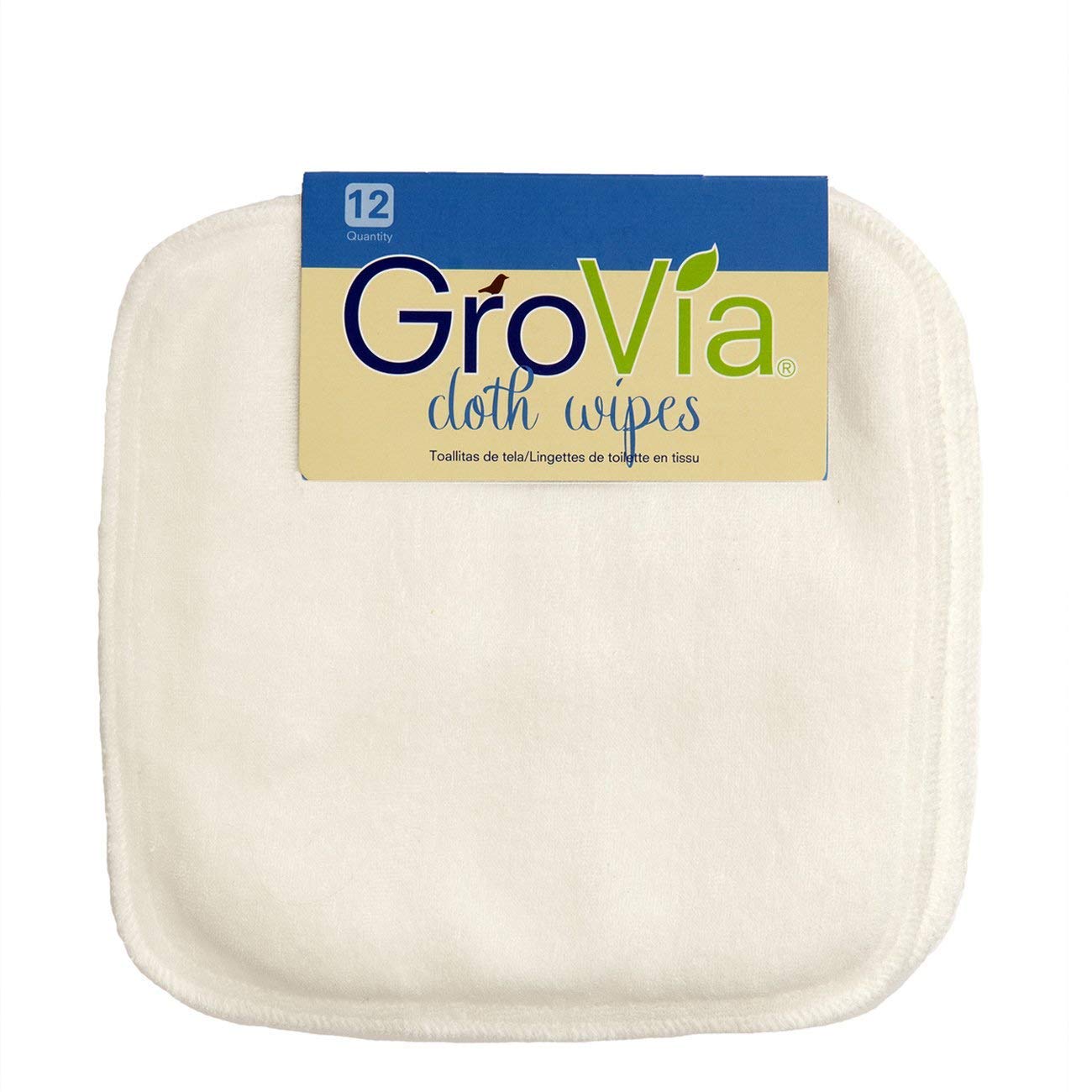
GroVia Reusable Cloth Diapering Wipes, 12 Count [click to view…]
- Material: 88% Cotton/12% Polyester terry
- Size: 8″ x 8″
- Price: ~$14 for 12-pack
- Why: Ultra-soft, exceptionally durable, perfect for heavy use
- Note: Polyester content—ideal for post-bidet drying only
Budget Champion: OsoCozy Flannel Wipes
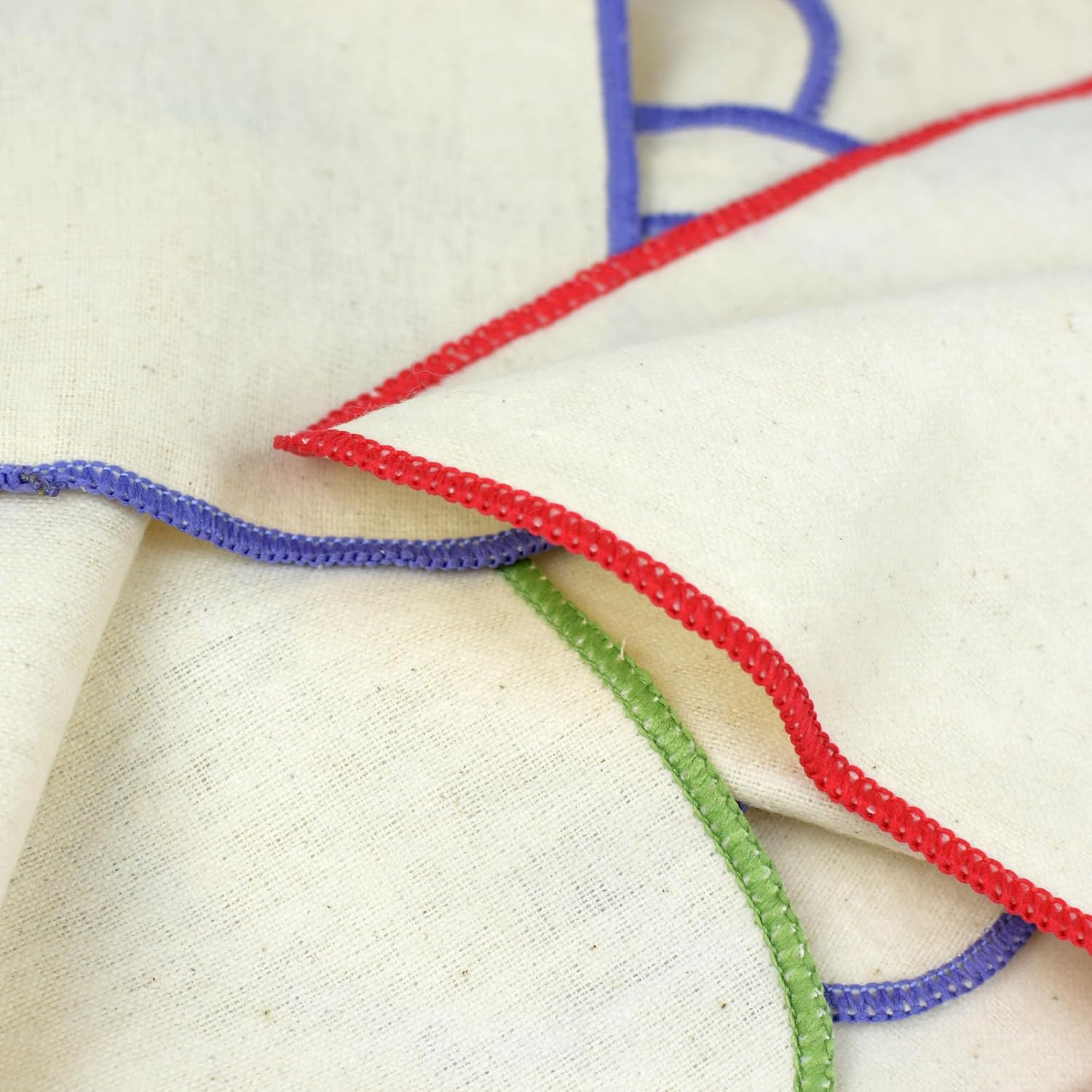
OsoCozy Flannel Cloth Baby Wipes [click to view…]
- Material: 100% unbleached cotton flannel
- Size: 8″ x 8″
- Price: ~$10 for 15-pack
- Why: Soft, durable, affordable, stays soft through years of use
DIY Alternative: Amazon Basics Cotton Washcloths

DecorRack 10 Pack 100% Cotton Wash Cloth [click to view…]
- Material: 100% cotton terry
- Size: 12″ x 12″ (can cut to desired size)
- Why: Extremely cost-effective, cut to custom sizes
Your Implementation Strategy
Calculate Your Needs:
Formula: (Household size × Daily uses × 3 days) = Minimum quantity needed
Example: Family of 3 × 8 uses daily × 3 days = 72 cloths minimum
Factors That Reduce Quantity Needed:
- Bidet use (reduces daily cloth consumption by 50-70%)
- Urine-only usage initially
- More frequent washing cycles
Gradual Transition Approach:
Week 1-2: Use for urine only, keep regular toilet paper for other needs Week 3-4: Add bidet, begin using cloths for all bathroom needs Month 2+: Full system implementation with refined routines
Guest Considerations:
Always keep eco-friendly disposable toilet paper available for visitors. Bamboo or recycled options align with your environmental values while ensuring guest comfort.
Troubleshooting Common Issues
Problem: Persistent odors Solution: Review washing temperature (must be 140°F+), avoid fabric softeners, ensure complete drying
Problem: Staining Solution: Immediate cold water rinse, sun drying (natural bleaching), hydrogen peroxide spot treatment
Problem: Fabric degradation Solution: Invest in higher quality materials initially, avoid harsh chemicals, use appropriate wash temperatures
The Bottom Line: Superior Hygiene + Massive Savings
When properly implemented with quality materials and rigorous protocols, reusable toilet paper delivers:
✅ Superior cleanliness through water-based cleaning and high-temperature sanitization
✅ Environmental protection by eliminating tree-based consumption
✅ Financial freedom from endless toilet paper purchases
✅ Skin health through soft, chemical-free natural materials
✅ Long-term sustainability with materials lasting 3-5+ years
Ready to Make the Switch?
Start your journey to cleaner, greener bathroom habits:
- Order your first set of high-quality cloths from the Amazon recommendations above
- Install a basic bidet attachment for maximum hygiene benefit
- Set up your storage system with lidded containers or wet bags
- Begin gradually with urine-only use while building confidence
- Establish washing routines using the scientific protocols provided
The combination of quality materials, bidet integration, and proper hygiene protocols creates a bathroom system that’s not just more sustainable—it’s genuinely more hygienic than traditional toilet paper.
Ready to get started? Choose your preferred cloth material from our recommendations and take the first step toward a cleaner, more sustainable bathroom routine today.
Dora Decora is a biophilic interior design specialist and passionate blogger. With a deep commitment to integrating nature into living spaces, Dora specializes in creating environments that foster human-nature connections through thoughtful design elements. Her approach emphasizes sustainable materials, natural lighting, and organic patterns that enhance wellbeing and reduce environmental impact.
This post (https://homechroma.com/most-hygienic-reusable-toilet-paper) was originally published by Dora Decora on Home Chroma. As an Amazon Associates partner, we are compensated for all qualifying purchases.