Here’s the uncomfortable truth: most women buying barefoot shoes are making the same critical mistakes, and it’s costing them money, foot pain, and wasted time.
You find a shoe that looks good. The reviews seem decent. You order it. Then either it compresses your toes (defeating the entire purpose), your feet hurt within hours, or it falls apart in six months despite the premium price tag.
The solution isn’t complicated—but it requires understanding what you’re actually buying.
Why Most Barefoot Shoe Purchases Fail
The barefoot shoe industry has exploded, but consumer knowledge hasn’t kept pace. Women are purchasing shoes labeled “minimalist” or “wide” that don’t meet the actual biomechanical requirements of barefoot footwear. Others are investing $150+ in premium brands that look impressive but underdeliver on durability.
The real question isn’t “which is the best brand?” It’s “which shoe actually delivers on the barefoot promise while fitting my feet, my budget, and my transition stage?”
This guide cuts through the noise.
What Actually Defines a “Barefoot” Shoe (The Four Non-Negotiable Pillars)
Before spending a single dollar, you need to understand that “barefoot,” “minimalist,” and “wide” are not interchangeable marketing terms. True barefoot shoes follow four biomechanical requirements. Everything else is compromise or marketing.
The Four Pillars Explained
1. Zero Drop (0mm Heel-to-Toe Drop)

SAGUARO Water Shoes for Women [click to view…]
This is non-negotiable. Your heel and forefoot must sit at the exact same level—flat platform, no exception.
Why? A conventional shoe elevates your heel by 4mm or more. This shortens your calf muscles over time, changes your posture, and forces you into a heavy heel-striking gait that overloads your knees and joints. Zero drop reverses this by encouraging a balanced stride and natural postural alignment.
When evaluating a shoe, check the manufacturer’s spec sheet. If they don’t explicitly state “0mm drop,” assume it’s not truly zero drop—many budget brands hide a subtle heel elevation.
2. Wide Toe Box (Foot-Shaped, Not Tapered)
Your toes need room to splay out naturally, like they do when you go barefoot on sand. A true wide toe box is widest at the ends of your toes, not tapered or pinched.
This isn’t just comfort—it’s functional. Natural toe splay provides stability and proprioception (body awareness). It also prevents the bunions, hammertoes, and other deformities caused by years of toe compression in conventional shoes.
3. Thin, Flexible Sole (3–8mm Stack Height)
Stack height is the total thickness of material between your foot and the ground. True barefoot shoes stay within 3–8mm because this thinness allows sensory feedback. Your nervous system can literally feel the ground beneath you, dramatically improving balance and body awareness.
The trade-off: less cushioning. This is why beginners need a transitional phase.
4. No Arch Support (Neutral/Passive Support Only)
This is counterintuitive for people raised on “supportive” shoes. Barefoot shoes intentionally lack built-in arch support because your foot has intrinsic muscles designed to do this work naturally. When you remove external support, these muscles strengthen gradually over time, creating an organic, resilient arch.
If a shoe has orthotic inserts or motion control built in, it’s not truly barefoot—it’s just minimalist.
Barefoot vs. Minimalist: Understanding the Distinction
These terms exist on a spectrum:
- Barefoot Shoes: 3–8mm stack height, zero drop, wide toe box, no support structure. Maximum ground feel.
- Minimalist Shoes: 3–13mm stack height, zero drop, wide toe box, no support. More padding than barefoot but still functional.
The difference matters during your transition. A beginner with deconditioned feet often needs the upper end of the minimalist range (11–14mm) to avoid injury, even if the ideal long-term goal is pure barefoot (3–8mm).

The Fit Game—Why Standard Sizing Is Sabotaging You
This is where most purchases go wrong.
Standard shoe sizing is designed for conventional footwear. When you apply it to barefoot shoes, especially models with wide toe boxes, you often end up with shoes that are too small. Your toes don’t have room to splay, and you’ve recreated the exact problem barefoot shoes are supposed to fix.
How to Measure Your Feet Correctly
Accuracy requires measuring your feet under load (bearing your full weight). Bare feet naturally lengthen and widen when you stand, and you need to capture that expanded size.
The process:
- Stand with full weight on both feet
- Place each foot on a piece of paper
- Mark the heel and the tip of your longest toe
- Measure the distance (in cm or inches)
- Measure both feet—most people have one larger foot
- Use the larger measurement as your reference
This number is your actual foot length. Don’t compare it to standard U.S. shoe sizes yet.
The Leeway Requirement (The Critical Buffer)
Leeway is the empty space between your longest toe and the inside front of the shoe. This isn’t padding—it’s functional.
When you walk or run, your foot flexes and your toes naturally spread (splay). Without adequate leeway, even a “wide” shoe will compress your toes during movement, negating the entire benefit of the wide toe box.
Recommended leeway:
- Minimum: 0.5 cm (for cautious walkers)
- Optimal: 0.75–1.2 cm (for runners and active users)
To calculate your shoe size:
- Take your measured foot length
- Add your desired leeway (0.75 cm is a safe middle ground)
- Cross-reference this total with the brand’s specific size chart
Never assume a size “M” or “8” will work. Brands vary wildly, and minimalist brands especially have inconsistent sizing.
Sizing Quirks by Brand
Xero Shoes: True to size in women’s models, but their men’s sizes offer additional width if your forefoot is naturally wide.
Lems: Generally true to size, though some models run narrow. Always check the specific model’s reviews.
WHITIN: Runs small. Size up by at least 0.5–1 size.
Saguaro: Tends toward sock-like fit; many users prefer sizing up for extra room.
VIVOBAREFOOT: Generally true to size, but the aesthetic is narrow. Women with naturally wide feet may need men’s sizing.
The Transition Reality—How Long It Actually Takes
This is the part nobody wants to hear: full adaptation to barefoot shoes takes a minimum of 16 weeks. Not days. Not weeks. Sixteen weeks.
Your feet have been passively supported by conventional shoes for years. The intrinsic muscles are weak. Your gait is conditioned to heavy heel striking. Rushing this process leads to metatarsal pain, tendonitis, and knee issues.
The Stepwise Transition Plan
Weeks 0–12 (Beginner Stage): Build Foundation
- Daily wear: 1–2 hours maximum
- Activity: Walking indoors, light casual use
- Shoe choice: Prioritize models with higher stack heights (11–14mm, like Lems Primal Zen)
- Supplemental work: Walk barefoot at home for 30+ minutes daily to reconnect with natural movement
During this phase, your feet are literally waking up. The muscles are starting to engage. Soreness is normal, but sharp pain signals you need to back off.
Weeks 12–16+ (Intermediate Stage): Increase Load

YogaToes GEMS: Gel Toe Stretcher & Separator [click to view…]
- Daily wear: Progress to 5+ hours
- Activity: Add light running, longer walks, varied terrain
- Shoe choice: Transition to thinner models (5–8mm stack height)
- Supplemental work: Incorporate foot-strengthening exercises like towel scrunches and toe spacers
By week 16, most people can wear barefoot shoes all day without discomfort. Full neurological adaptation (optimal balance and proprioception) can take 6 months or longer.
The Transition Footwear Strategy
Don’t jump straight to minimalist. Use a staged approach based on stack height:
- Phase 1 (Weeks 0–8): 11–14mm stack (Lems Primal Zen)
- Phase 2 (Weeks 8–12): 7–10mm stack (Xero HFS II)
- Phase 3 (Week 12+): 5–8mm stack (VIVOBAREFOOT Primus Lite, Merrell Vapor Glove)
Each progression allows your feet to adapt safely while maintaining the zero-drop, wide toe box benefits.
The Gait Adjustment Trap
Here’s a subtle but critical issue: zero-drop shoes encourage a forefoot or midfoot strike (lighter, shorter stride) instead of a heavy heel strike. But if you’re not conscious of this, you’ll revert to old patterns, especially if a shoe has cushioning.
The “cushion trap” is real. Some adapters switch to cushioned zero-drop shoes (like Altra models) and suddenly feel “safe” again, causing them to lengthen their stride and increase impact. This can trigger new injuries like patellar tendonitis.
Solution: Maintain a consciously shorter, lighter stride regardless of stack height. Your gait is the engine; the shoe is just the vessel.
Premium Brands That Justify the Cost
The premium tier ($110–$280) offers refined design, better materials, and often superior ground feel. But premium doesn’t always mean better value. Here’s the breakdown.
VIVOBAREFOOT: Maximum Ground Feel (With Caveats)

Vivobarefoot Womens Vegan Light Breathable Shoe with Barefoot Sole [click to view…]
Price: $150–$280 Stack Height: ~5mm (without insole) Best For: Advanced users seeking extreme sensory feedback
VIVOBAREFOOT dominates the “most minimal” category. Models like the Primus Lite 3.5 offer unparalleled ground feel—you can literally sense individual pebbles beneath your feet.
The problem: Despite premium pricing, some users report disappointing durability. Shoes wearing out in under a year of daily use suggest potential compromises in construction quality. For a $200+ shoe, this is unacceptable.
Verdict: Excellent if you prioritize ground feel and don’t mind potential longevity concerns. Best for gym training and everyday use on good surfaces, not rugged terrain.
Exception: The VIVOBAREFOOT Tracker Winter II SG ($180–$220) is worth the investment for serious hikers. The aggressive 5mm lugs and waterproof construction handle muddy, wet, cold environments exceptionally well—the durability concerns don’t apply as much to this model.
Xero Shoes: The Value Sweet Spot
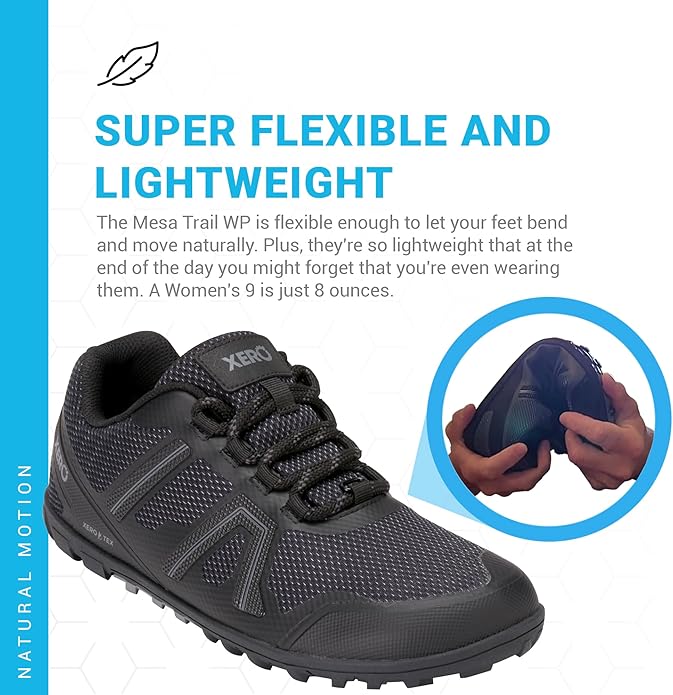
Xero Shoes Women’s Mesa Trail Barefoot Waterproof Trail Runner [click to view…]
Price: $60–$130 Stack Height: ~7.5mm total Best For: Road running, gym, casual wear
Xero Shoes occupies the middle ground—better quality and durability than budget brands, more affordable than VIVOBAREFOOT, and exceptional versatility.
The HFS II Women’s is the workhorse. It’s flexible, performs well on pavement and treadmills, and most importantly, users report that Xero shoes last significantly longer than comparable VIVOBAREFOOT models. For a primary daily shoe, this matters.
Key advantage: Xero explicitly addresses women’s fit, offering medium-to-wide toe boxes in their women’s-specific models. Their men’s models are even wider if your forefoot is naturally broad.
Verdict: Xero shoes deliver genuine value. They’re not the thinnest ground feel, but they’re durable, functional, and versatile. Most barefoot enthusiasts who’ve tested multiple brands prefer Xero for long-term daily wear.
Budget Options That Don’t Suck
Budget barefoot shoes ($40–$65) offer real value for testing the barefoot experience. But they require active modification and realistic expectations.
WHITIN: The Amazon Staple
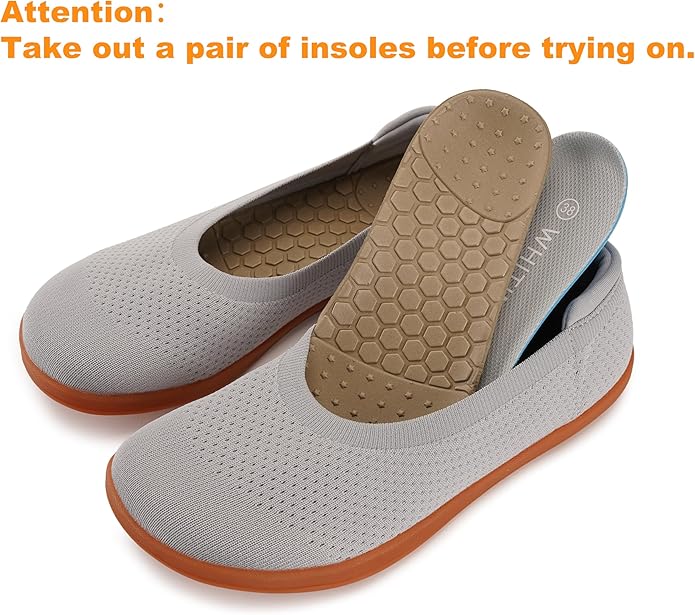
WHITIN Women’s Barefoot Ballet Flats [click to view…]
Price: $40–$55 Stack Height: ~5mm (after removing factory insole) Best For: Budget testing, light trails, beginners willing to modify
WHITIN is everywhere on Amazon. The Minimalist Trail Runner is frequently labeled “wide barefoot shoes” and is genuinely functional—after modification.
Critical caveat: The factory insole contains both a subtle heel elevation and arch support, violating the barefoot principle. You must remove it. Many users replace it with a flat, neutral insert or use the shoe without any insole.
Other issues: Lower-end materials mean potential durability concerns. Lockdown (how well the shoe stays on your foot) is mediocre. Users report uneven quality batch-to-batch.
Sizing: WHITIN runs small. Size up by 0.5–1 full size.
Verdict: Excellent for testing if you’re willing to spend 10 minutes removing the insole. Don’t expect premium durability, but for $50, it’s a low-risk entry point.
Saguaro: Sock-Like Flexibility

WHITIN Women’s Minimalist Barefoot Shoes [click to view…]
Price: $55–$65 Stack Height: Extremely thin and flexible Best For: Casual wear, water activities, budget-conscious beginners
Saguaro shoes are structured like water shoes—sock-like, minimal structure, extreme flexibility. Models like the Dash I and Roam I are truly wide and supremely flexible.
The catch: Like WHITIN, the factory insole often contains a hidden heel rise or mild arch support. Removal is necessary for purity.
Best use case: Casual errands, walking around your neighborhood, light water activities. Not designed for running or serious trail work.
Verdict: Best budget option if you want an ultra-flexible, minimal shoe for casual use. The sock-like construction is actually a strength here—it mimics barefoot sensation more closely than traditional shoe structure.
Activity-Specific Recommendations
The best barefoot shoe depends entirely on what you’re doing.
For Daily Casual Wear and All-Day Standing
Saguaro Water Shoe

SAGUARO Water Shoes for Women [click to view…]
For casual errands and light use, Saguaro offers the sock-like comfort of nearly-barefoot without the investment.
For Running and Gym Use
Top pick: Xero Shoes HFS II

Xero Shoes Women’s HFS II Barefoot Running Shoes [click to view…]
The HFS II is purpose-built for running. It’s lightweight, flexible, and durable. The 7.5mm stack height provides protection without sacrificing ground feel. Road and treadmill runners consistently report satisfaction.
Maximum ground feel: Merrell Vapor Glove

Merrell Women’s Vapor Glove 6 Trail Runners [click to view…]
If you want the closest sensation to running truly barefoot, the Merrell Vapor Glove delivers. The 6mm stack is thin enough for serious feedback, and the shoe is designed specifically for trail and road running.
Caution: Both require conscious gait control. A lighter, shorter stride is non-negotiable.
For Hiking and Trail Use
Rugged terrain: VIVOBAREFOOT Tracker Winter II SG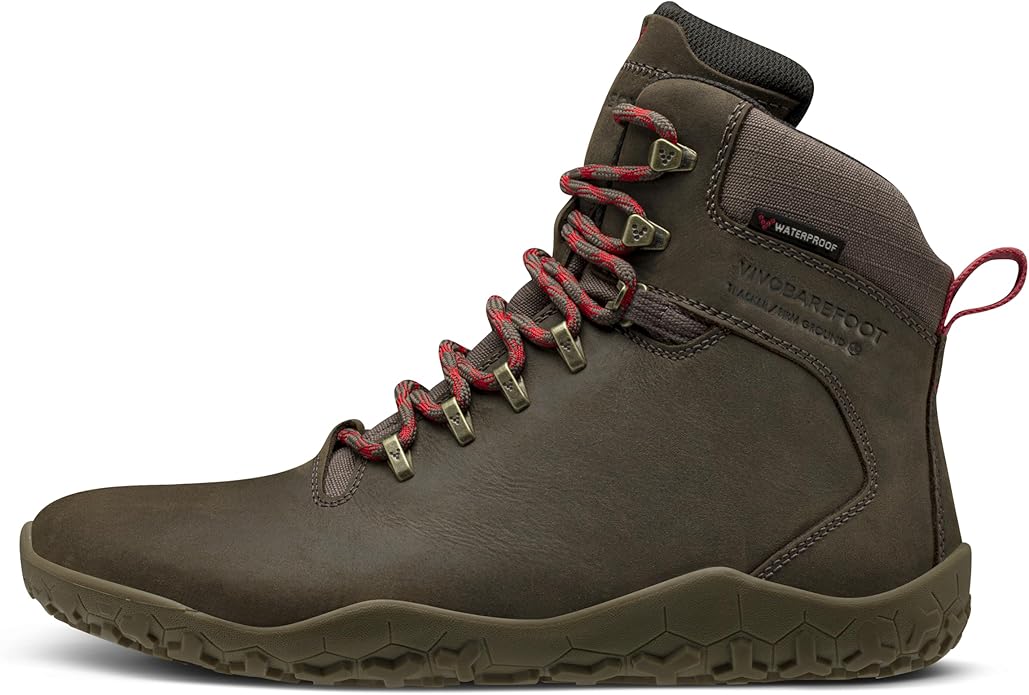
Vivobarefoot Tracker II FG, Womens [click to view…]
If you’re hiking in mud, wet conditions, or rocky terrain, the Tracker II SG justifies its $180–$220 price. The aggressive 5mm chevron lugs provide exceptional grip, and the waterproof construction handles wet environments. Real durability here—Xero also makes hiking-specific models if budget is a concern.
Multi-day backpacking: Consider slightly thicker models (Xero or Lems hiking options)
Long-distance hiking with heavy loads (30+ lbs) benefits from slightly more cushioning—even a minimal increase from 7.5mm to 10mm reduces foot fatigue on day 3 when your feet are already fatigued.
Final Verdict: Which Shoe Offers the Best Value?
If you can afford it and want a versatile, durable all-purpose shoe: Xero Shoes HFS II ($60–$130)
The HFS II balances ground feel, durability, and versatility. Most experienced barefoot users who’ve tested multiple brands choose Xero for primary daily wear because the longevity justifies the cost. It’s not the thinnest option, but it’s dependable..
If you’re on a strict budget and willing to modify: WHITIN Minimalist Trail Runner ($40–$50)
True budget option, but requires removing the factory insole. Test the barefoot experience without financial risk.
If you want maximum sensory feedback and can accept durability trade-offs: VIVOBAREFOOT Primus Lite 3.5 ($150+)
Unmatched ground feel. Just understand you may replace these more frequently than other brands.
The Real Bottom Line
The best women’s barefoot shoe worth your money isn’t determined by brand prestige or hype. It’s determined by:
- Correct sizing (measured feet + adequate leeway)
- Appropriate transition stage (matching stack height to conditioning)
- Activity match (casual vs. running vs. hiking)
- Honest durability expectations (premium doesn’t always mean longest-lasting)
Most failures happen because people skip step one—they buy based on looks or brand name without verifying actual fit. This wastes money and creates a negative experience.
Take 15 minutes to measure your feet, verify the zero drop, and confirm the toe box width. That single step increases your success rate dramatically.
Then commit to the 16-week transition. Your feet will adapt. Your stride will improve. And you’ll genuinely understand why barefoot shoes matter.
That’s where the real value is.
Dora Decora is a biophilic interior design specialist and passionate blogger. With a deep commitment to integrating nature into living spaces, Dora specializes in creating environments that foster human-nature connections through thoughtful design elements. Her approach emphasizes sustainable materials, natural lighting, and organic patterns that enhance wellbeing and reduce environmental impact.
This post (https://homechroma.com/the-best-womens-barefoot-shoes) was originally published by Dora Decora on Home Chroma. As an Amazon Associates partner, we are compensated for all qualifying purchases.