When the power goes out or you’re miles from the nearest outlet, having reliable portable power can make all the difference. Two brands dominate this space: EcoFlow and Jackery. But which one deserves your hard-earned money?
This comprehensive comparison cuts through the marketing hype to give you the facts you need. We’ll examine real-world performance, user experiences, and hidden costs to help you choose the right portable power solution.
The Two Giants: Different Approaches to Portable Power
EcoFlow: The Ecosystem Builder

EF ECOFLOW Portable Power Station 3600Wh DELTA Pro [click to view…]
EcoFlow positions itself as more than just a power station manufacturer—they’re building a complete energy ecosystem. Their strategy focuses on creating interconnected products that work together seamlessly.
Key Products:
- DELTA Series (high-capacity home backup)
- RIVER Series (portable outdoor power)
- Solar generators and panels
- Smart devices (GLACIER fridge, WAVE AC)
- Whole-home solutions and smart panels
The DELTA Pro Ultra exemplifies this approach, offering 6-90kWh expandable capacity with outputs up to 21.6kW—enough to power an entire home.
Jackery: The Portability Specialist
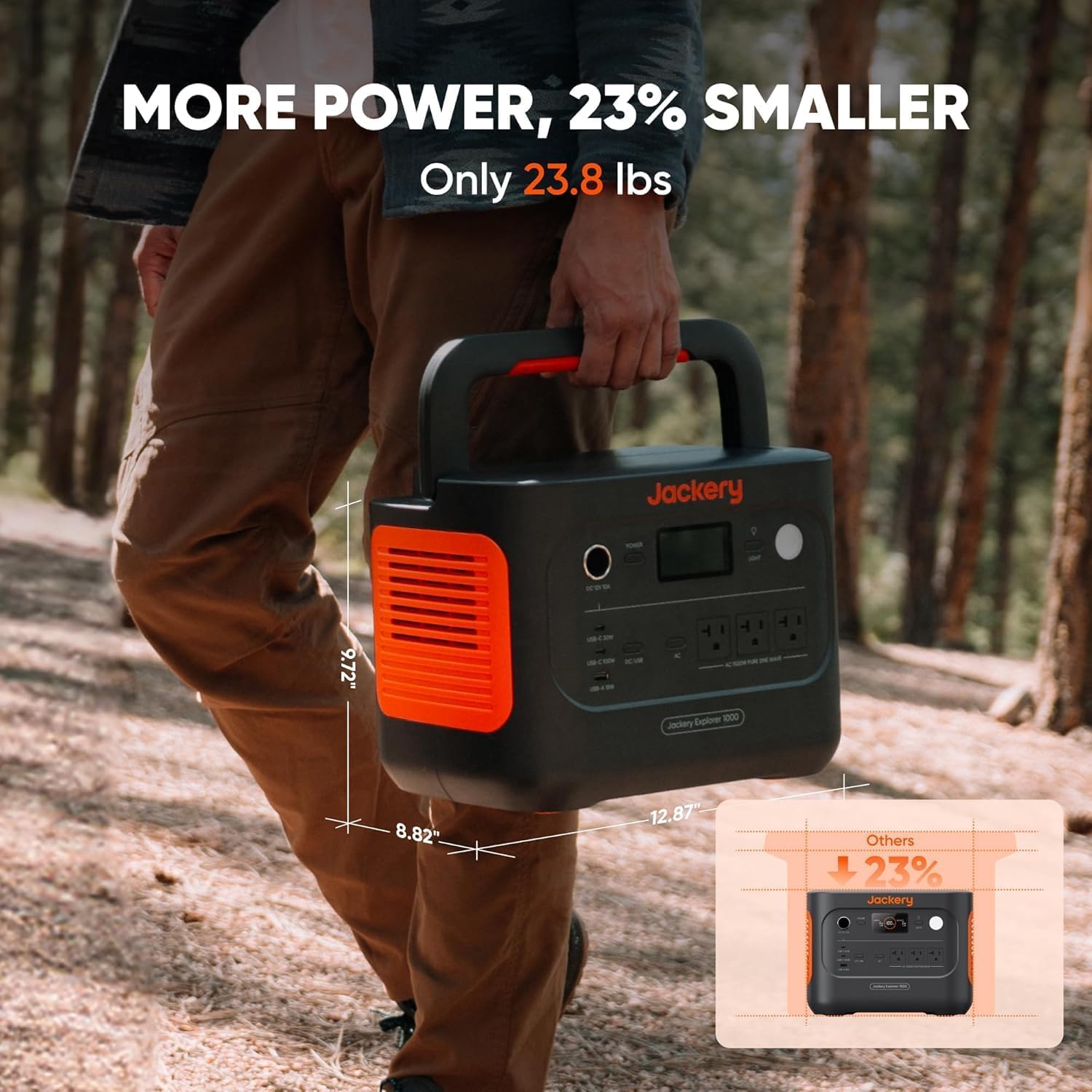
Jackery Explorer 1000 v2 Portable Power Station [click to view…]
Jackery takes a different path, emphasizing individual unit excellence and grab-and-go convenience. Their focus remains on creating reliable, portable power for specific use cases.
Key Products:
- Explorer Portable Power Stations
- HomePower Solar Generators
- SolarSaga Solar Panels
Popular models include the Explorer 2000 Plus (2042Wh) and HomePower 3000 (3072Wh), designed for camping, RVing, and essential home backup.
Performance Head-to-Head
Power Capacity and Output
Both brands offer impressive ranges, but with different strengths:
EcoFlow Range:
- Entry-level: RIVER 2 (256Wh, 300W output)
- Mid-range: DELTA 2 Max (2-6kWh, 2400W output)
- High-end: DELTA Pro Ultra (6-90kWh, 7.2-21.6kW output)
Jackery Range:
- Entry-level: Explorer 300 (293.8Wh, 300W output)
- Mid-range: Explorer 2000 Plus (2042Wh, 6000W peak)
- High-end: HomePower 3000 (3072Wh, 3600W output)
Battery Technology Revolution
Both brands have embraced LiFePO4 (LFP) battery chemistry in their newer models, moving away from traditional lithium-ion batteries. This shift brings major benefits:
- Lifespan: 3000-4000 cycles vs 800 cycles for older Li-ion
- Safety: More stable, less fire risk
- Temperature tolerance: Better performance in extreme conditions
EcoFlow LFP Models: DELTA 2 Max and RIVER 2 Pro offer 3000 cycles to 80% capacity (approximately 10 years of daily use).
Jackery LFP Models: Explorer 2000 Plus and HomePower 3000 provide 4000 cycles to 70%+ capacity with a 10-year lifespan rating.
EcoFlow vs Jackery: Key Specifications
This is where significant differences emerge:

Winner: EcoFlow takes the crown for charging speed, particularly with their X-Stream technology enabling dual AC+solar charging.
Innovation and Features
Expandability: Two Different Philosophies
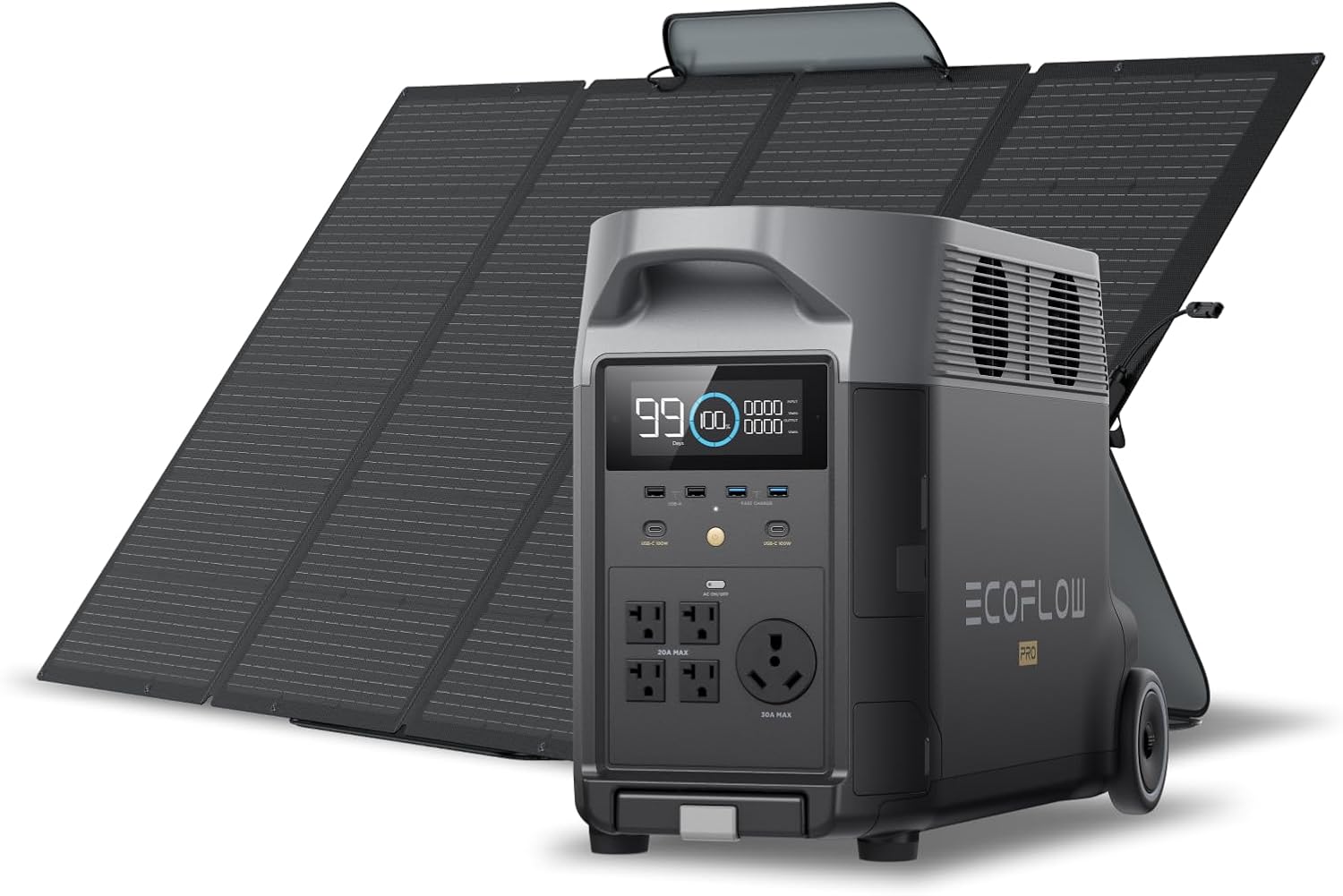
EF ECOFLOW Solar Generator 120V/3.6KWh DELTA Pro with 400W Portable Solar Panel [click to view…]
EcoFlow’s Modular Approach:
- DELTA 2 Max: 2kWh → 6kWh expansion
- DELTA Pro: 3.6kWh → 25kWh expansion
- DELTA Pro Ultra: 6kWh → 90kWh expansion
- Smart home panel integration
- RV and tiny home power kits

Jackery Portable Power Station Explorer 2000 Plus [click to view…]
Jackery’s Selective Expansion:
- Explorer 2000 Plus: 2kWh → 24kWh expansion
- Explorer 5000 Plus: Expandable options
- HomePower 3000: Fixed capacity (no expansion)
Bottom Line: EcoFlow offers more consistent expandability across their range, while Jackery limits expansion to specific “Plus” models.
UPS Functionality Comparison
Uninterruptible Power Supply (UPS) capability protects sensitive electronics during power transitions:
- EcoFlow DELTA Pro Ultra: 0ms online UPS + <20ms backup UPS
- EcoFlow DELTA 2: <30ms auto-switch
- Jackery Explorer 2000 Plus: 20ms Emergency Power Supply
- Jackery HomePower 3000: 20ms switch (not recommended for data servers)
Key Insight: EcoFlow’s 0ms online UPS option provides superior protection for extremely sensitive equipment.
Unique Technologies
EcoFlow Innovations:
- X-Stream Fast Charge: Industry-leading AC charging speeds
- X-Boost: Run appliances exceeding rated capacity
- PowerStream microinverters: Optimize solar energy usage
Jackery Technologies:
- ChargeShield: Variable-speed charging for 50% longer battery life
- ZeroDrain™: Retains 95% power after one year in storage
- IBC Technology: Ultra-fast solar charging with multiple panels
Durability and Weather Protection

Power Station Protection
EcoFlow IP Ratings:
- DELTA 2: IP67 (dust-tight, temporary water immersion)
- DELTA Pro Ultra: IP54 (dust protection, water splash resistance)
- RIVER 3: IP54 (battery pack only)
Jackery Protection:
- No explicit IP ratings found for most power stations
- Explorer 500 explicitly marked “Not waterproof”
- User reports indicate water vulnerability concerns
Critical Finding: EcoFlow provides clearer protection specifications, while Jackery users must exercise extra caution around water.
Solar Panel Protection
Both brands claim IP68 ratings for their solar panels, indicating complete dust and water protection. However, contradictory information exists—Jackery customer service reportedly advised against leaving panels in rain despite IP68 marketing claims.
User Experience: Apps and Control

EcoFlow App Strengths:
- Comprehensive ecosystem control
- Real-time monitoring and statistics
- Remote port control and charging adjustments
- Wi-Fi, Bluetooth, and hotspot connectivity
- Generally positive user feedback
Jackery App Weaknesses:
- Low ratings (2.5/5 on App Store, 3.0/5 on Google Play)
- Persistent Bluetooth connectivity issues
- Unreliable remote controls
- Wi-Fi problems with password spaces
- Limited advanced functionality
Reality Check: The app experience can make or break your daily use. EcoFlow’s superior app performance provides significant practical advantages.
Customer Support: The Hidden Cost
Both brands face substantial customer service challenges that potential buyers must consider:
EcoFlow Support Issues:
- 106 BBB complaints over three years
- Common problems: Service/repair issues, delivery problems
- Mixed resolution success
- Some positive experiences with quick replacements
Jackery Support Issues:
- 36 BBB complaints (lower volume but concerning patterns)
- Extremely low customer rating: 1.08/5 stars
- Widespread reports of unhelpful, unresponsive service
- Warranty fulfillment problems
Warning: Both brands show systemic customer support challenges. Factor potential service headaches into your decision.
Use Case Recommendations
Choose EcoFlow If You Need:

ECOFLOW Portable Power Station DELTA 2 Max [click to view…]
- Whole-Home Backup Solutions
- DELTA Pro Ultra series for comprehensive residential power
- Smart home panel integration
- Scalable capacity up to 90kWh
- RV and Van Life Power
- Dedicated RV power kits
- High-capacity DELTA series
- Fast charging for minimal downtime
- Professional/Heavy-Duty Applications
- Construction sites and remote work
- High output requirements
- Rapid recharging between uses
- Future-Proof Expandability
- Growing power needs
- Integrated ecosystem benefits
- Long-term energy solution
Choose Jackery If You Need:

Jackery Solar Generator 2000 Plus [click to view…]
- Camping and Outdoor Adventures
- Explorer series portability
- Reliable power for essentials
- Lightweight, grab-and-go design
- Short-Term Home Backup
- Essential appliance power during outages
- Simple, straightforward operation
- Fixed capacity requirements
- Mobile Workstations
- Photography and videography
- Drone operations
- Laptop and equipment charging
- Budget-Conscious Buyers
- Competitive pricing
- Proven reliability for basic needs
- No ecosystem complexity
Value Analysis and Pricing
EcoFlow Value Proposition:
- Premium pricing reflects advanced features
- Superior charging speeds justify higher costs
- Ecosystem approach offers long-term value
- Higher initial investment with expansion potential
Jackery Value Proposition:
- Competitive pricing for individual units
- Straightforward value for specific needs
- Lower barrier to entry
- Limited ecosystem lock-in
The Bottom Line
EcoFlow wins for: Charging speed, expandability, app experience, whole-home solutions, and future-proofing.
Jackery wins for: Portability, simplicity, individual unit reliability, and upfront value.
Both struggle with: Customer service quality and post-purchase support.
Final Recommendation
Go with EcoFlow if you want a comprehensive, expandable energy solution with the fastest charging speeds and don’t mind paying premium prices for advanced features.
Go with Jackery if you need reliable, portable power for specific applications and prefer straightforward, individual units without ecosystem complexity.
Either way, purchase from retailers with good return policies and consider extended warranties to protect against potential support challenges. The portable power market continues advancing rapidly, so whichever brand you choose, you’ll have significantly more power and convenience than traditional generator alternatives.
Remember: The best portable power station is the one that reliably meets your specific needs when you need it most. Consider your actual use cases, expansion plans, and support tolerance carefully before making this important investment.
Dora Decora is a biophilic interior design specialist and passionate blogger. With a deep commitment to integrating nature into living spaces, Dora specializes in creating environments that foster human-nature connections through thoughtful design elements. Her approach emphasizes sustainable materials, natural lighting, and organic patterns that enhance wellbeing and reduce environmental impact.
This post (https://homechroma.com/ecoflow-vs-jackery-comparison-guide-for-portable-power-solutions) was originally published by Dora Decora on Home Chroma. As an Amazon Associates partner, we are compensated for all qualifying purchases.