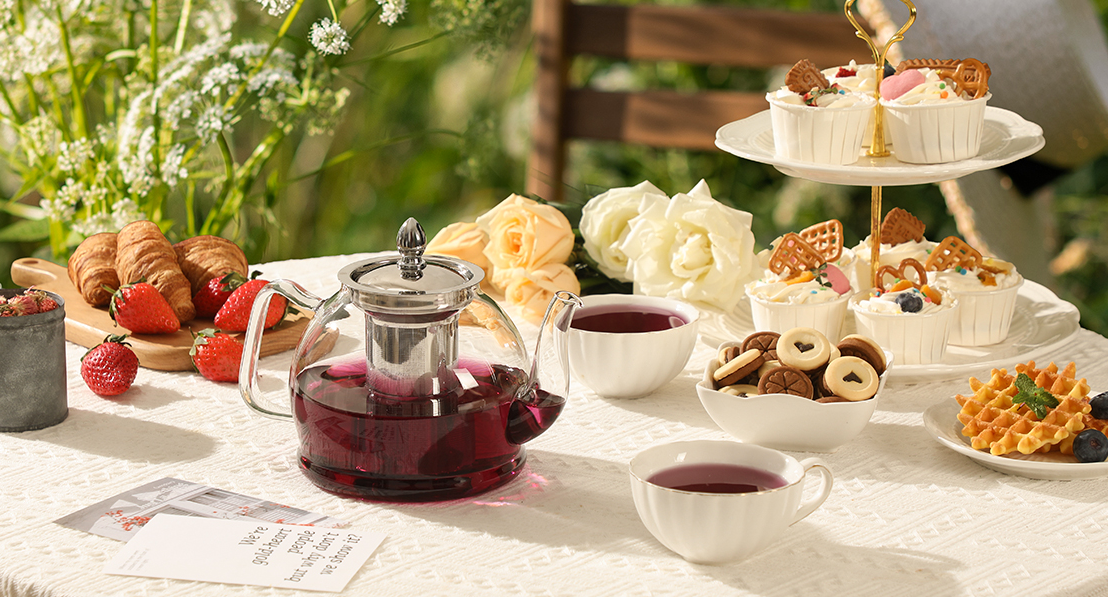
It’s 3 PM, and you’re settling into your favorite armchair for a peaceful afternoon tea break. Steam rises from your glass teapot as you pour the golden liquid into your cup, savoring this moment of tranquility after a busy day.
But what if that seemingly innocent teapot sitting on your table is slowly contaminating every drop?
The unsettling truth? One of these popular teapot materials could be silently leaching toxic heavy metals into your afternoon brew, while the other offers complete peace of mind.
The question that’s about to change how you think about tea time forever: Which material is the hidden culprit, and which one will protect your health?
Before you take another sip, let’s uncover the surprising science behind what’s really happening when hot water meets your teapot.
Why Your Teapot Material Matters More Than You Think
Most tea lovers never consider their teapot as a potential health hazard. Yet the material touching your hot, acidic tea can make the difference between a healthy habit and slow poisoning.
Here’s what’s really going on:
Glass teapots made from borosilicate glass are chemically inert. They can’t leach harmful substances into your tea, no matter how hot or acidic your brew gets.
Ceramic teapots depend entirely on their glaze quality. A properly fired, high-quality ceramic teapot is safe. A poorly made one can release lead and cadmium—two highly toxic heavy metals—directly into your tea.
The Hidden Dangers of Ceramic Teapots
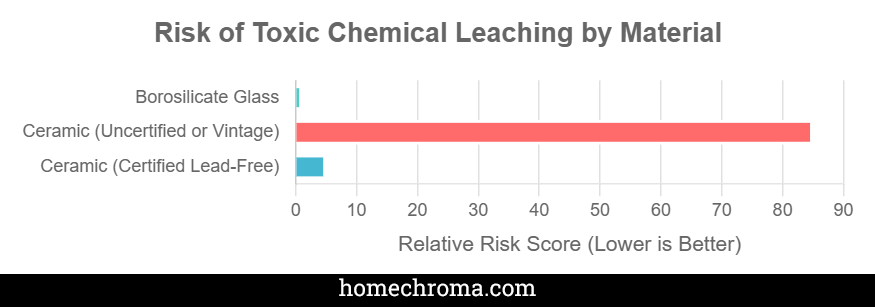
Lead and Cadmium: The Silent Killers
Lead exposure damages your nervous system, kidneys, and digestive tract. It causes anemia, birth defects, and miscarriages.
Cadmium is listed as a cancer-causing agent that also harms reproductive health.
Both metals hide in ceramic glazes, especially:
- Bright red and orange colors
- Vintage teapots from thrift stores
- Handmade “folk pottery”
- Poorly fired glazes
When Ceramic Becomes Dangerous
Your ceramic teapot becomes a health hazard when:
- The glaze wasn’t fired properly – Low firing temperatures leave the glaze porous
- The glaze is cracked or chipped – Even tiny damage compromises the protective seal
- You’re using hot, acidic liquids – Tea’s acidity pulls metals from damaged glazes faster
- The teapot is old or handmade – Vintage pieces often used lead-based glazes
Why Glass Teapots Win the Safety Battle
Borosilicate glass teapots offer unmatched safety for several reasons:
Complete Chemical Inertness
Borosilicate glass contains approximately 80% silica and 13% boric oxide. This composition makes it:
- Lead-free and cadmium-free by design
- Incapable of leaching chemicals into beverages
- Safe enough for laboratory use
Superior Heat Resistance
This special glass handles temperature changes that would crack ceramic:
- Withstands temperature swings up to 330°F (166°C)
- Can go from refrigerator to stovetop safely
- Won’t crack from thermal shock
Long-term Durability
Unlike ceramic glazes that can chip and crack over time, borosilicate glass maintains its integrity throughout years of use.
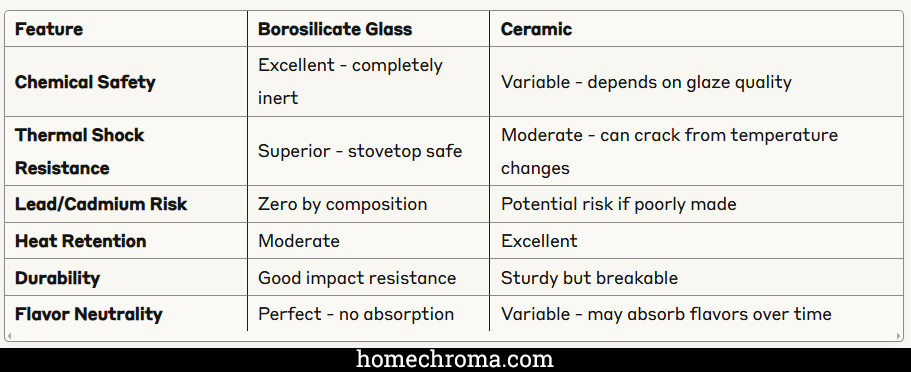
Safety Comparison: Glass vs Ceramic
Red Flags: Dangerous Teapots to Avoid
Never use these ceramic teapots:
- Vintage pieces from thrift stores or antique shops
- Handmade “folk pottery” without safety certifications
- Teapots with chipped or cracked glazes
- Bright red or orange glazed interiors
- Unmarked pottery with rough, unglazed areas
- Any ceramic teapot without “lead-free” labeling
How to Buy a Safe Teapot
For Maximum Safety: Choose Glass
Look for teapots explicitly labeled “borosilicate glass.” This single specification guarantees:
- Zero chemical leaching
- Maximum thermal resistance
- Long-term safety
If You Prefer Ceramic: Verify Safety
Only buy ceramic teapots that are:
- Explicitly labeled “lead-free”
- “Prop 65 Compliant” certified
- From reputable manufacturers
- Modern, mass-produced items (not vintage or handmade)
Understanding Safety Certifications
FDA Standards
The U.S. Food and Drug Administration sets specific limits for lead and cadmium in ceramic teaware:
- Small teapots: Maximum 2.0 μg/mL lead, 0.5 μg/mL cadmium
- Large teapots: Maximum 1.0 μg/mL lead, 0.25 μg/mL cadmium
Proposition 65 Compliance
California’s Prop 65 requires warning labels for products containing significant amounts of cancer-causing chemicals. “Prop 65 Compliant” means the teapot’s heavy metal content falls below warning thresholds.
Top Safe Teapot Recommendations
Best Glass Option: Borosilicate Glass Teapots
Hiware Glass Teapot
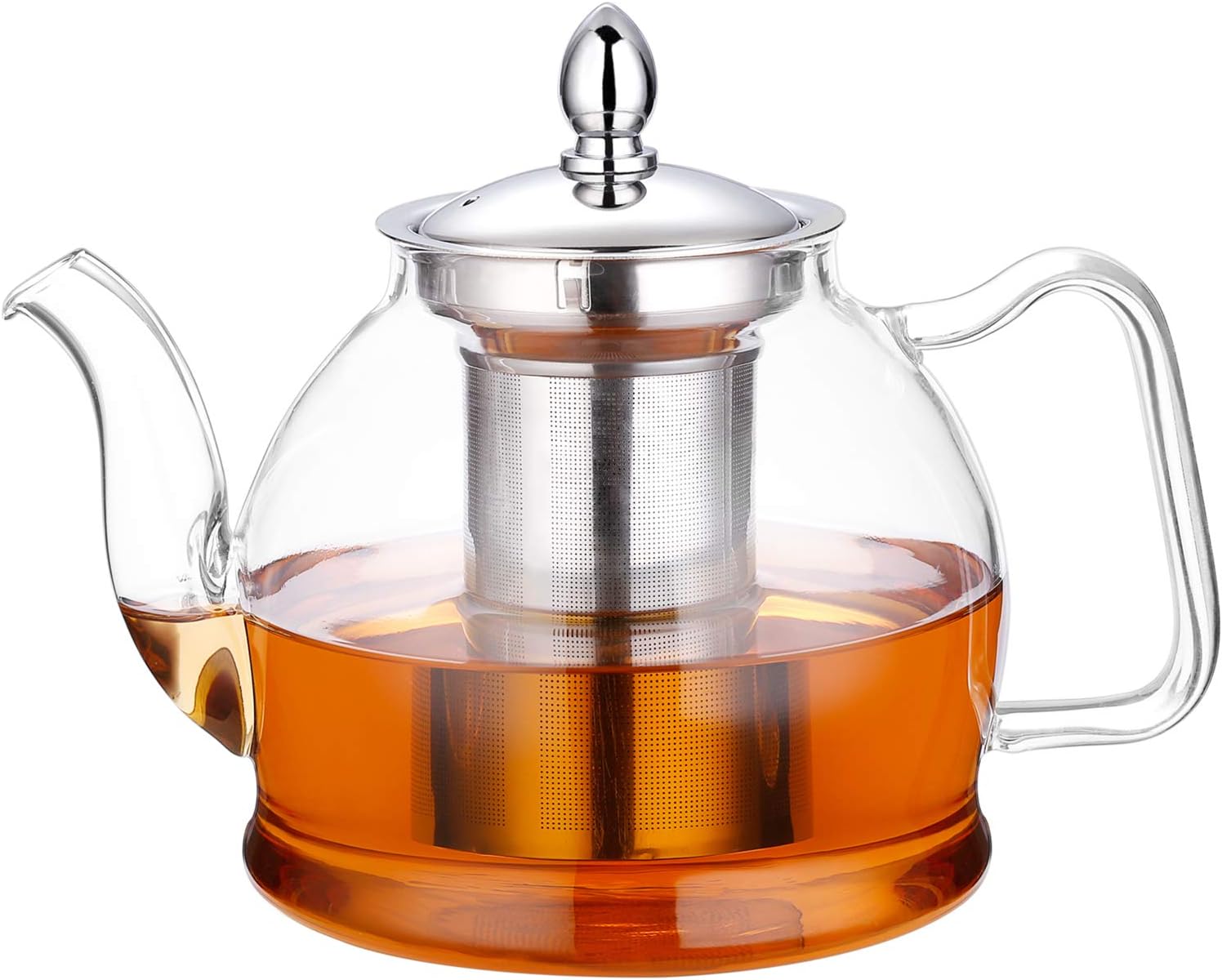
HIWARE 1000ml Glass Teapot [click to view…]

HIWARE 1000ml Glass Teapot [click to view…]
- Made from heat-resistant borosilicate glass
- Stovetop safe
- Includes high-grade 18/10 stainless steel infuser
- No chemical leaching risk
Safest Ceramic Options
Sweese Porcelain Teapot

Sweese Teapots for Tea [click to view…]
- Modern mass-produced porcelain
- Non-reactive material
- Verify lead-free certification before purchase
RSVP Stoneware Teapot
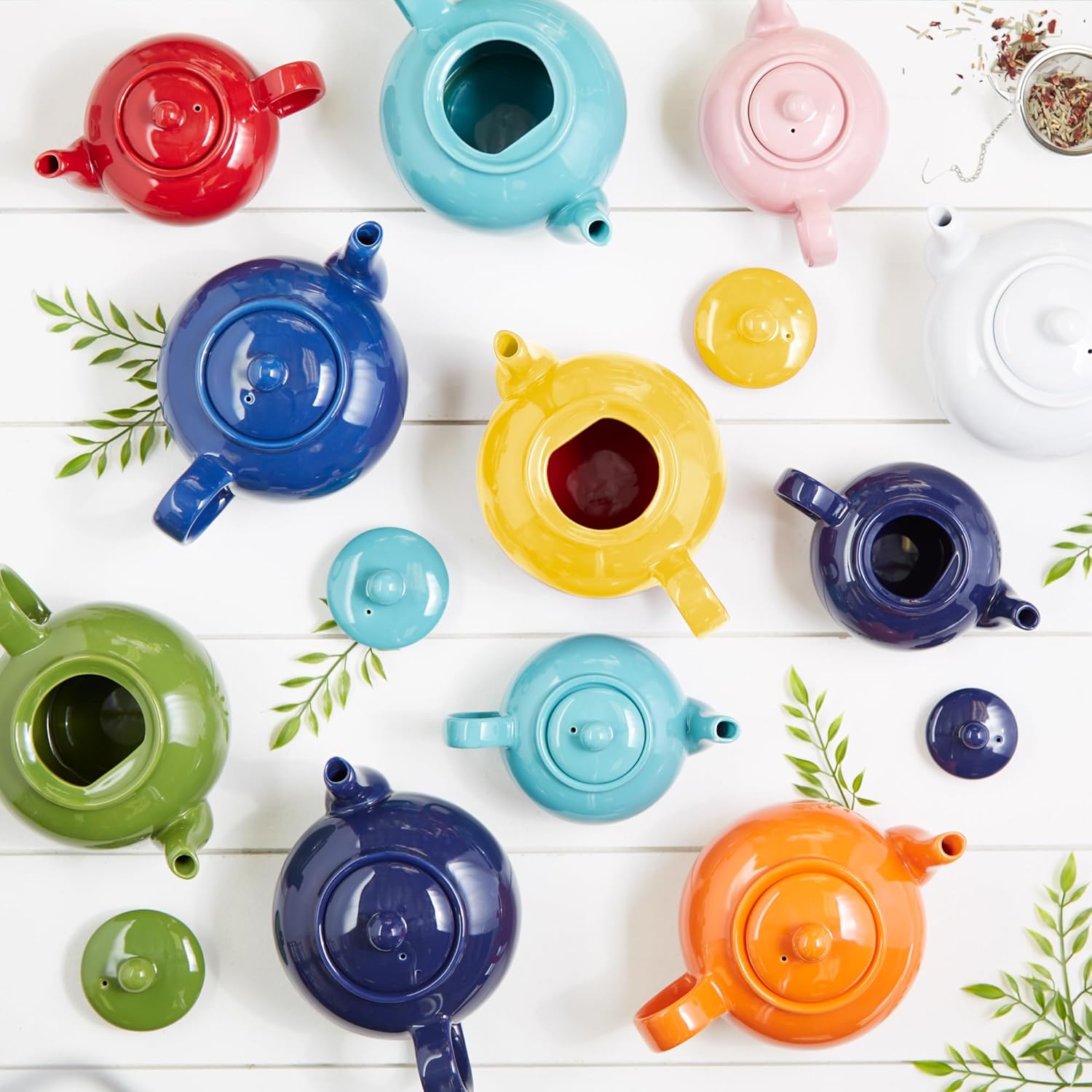
RSVP International Stoneware Teapot Collection [click to view…]
- Excellent heat retention
- One-piece seamless construction
- Check for lead-free labeling
Your Action Plan for Safe Tea Brewing
Immediate Steps:
- Check your current teapot – Look for chips, cracks, or missing safety labels
- Stop using damaged ceramic – Any visible glaze damage creates leaching risk
- Avoid vintage pottery – Unless certified lead-free, it’s not worth the risk
When Shopping:
- Prioritize borosilicate glass – Safest choice with zero contamination risk
- Verify ceramic certifications – Only buy “lead-free” and “Prop 65 Compliant” options
- Choose reputable brands – Mass-produced items have better quality control
- Check all components – Ensure infusers and lids are made from safe materials
The Final Verdict
Glass teapots made from borosilicate glass are the clear winner for safety. They eliminate chemical contamination risks entirely while offering superior thermal performance.
Ceramic teapots can be safe – but only if they’re properly made, undamaged, and certified lead-free. The risk isn’t worth it when safer alternatives exist.
Your health is worth the switch. Don’t gamble with your daily tea ritual. Choose a borosilicate glass teapot and eliminate contamination worries forever.
The choice is clear: prioritize your health with every cup. Your future self will thank you for making the safe choice today.
Dora Decora is a biophilic interior design specialist and passionate blogger. With a deep commitment to integrating nature into living spaces, Dora specializes in creating environments that foster human-nature connections through thoughtful design elements. Her approach emphasizes sustainable materials, natural lighting, and organic patterns that enhance wellbeing and reduce environmental impact.
This post (https://homechroma.com/glass-teapot-vs-ceramic-teapot) was originally published by Dora Decora on Home Chroma. As an Amazon Associates partner, we are compensated for all qualifying purchases.