Creating a therapeutic indoor aquaponic water garden combines the calming effects of flowing water, lush greenery, and graceful fish movement into one self-sustaining ecosystem. Here’s how to build one that maximizes wellness benefits while minimizing stress and maintenance.
Why Aquaponics Is Uniquely Therapeutic

Aquaponics offers distinct advantages over traditional gardening or aquariums alone:
- Multi-sensory engagement – The combination of visual plant growth, gentle water sounds, and fish movement creates a richer experience than static plants
- Self-sustaining ecosystem – The natural cycle where fish waste nourishes plants while plants filter water creates a balanced system requiring minimal intervention
- Measurable health benefits including:
- Lower cortisol levels and reduced blood pressure
- Improved air quality through plant filtration
- Enhanced mood and cognitive function
- Greater sense of purpose through caregiving
Designing Your Therapeutic System
System Selection: Media Beds for Maximum Calm
For therapeutic purposes, media bed systems are strongly recommended because they:
- Are simplest to set up and maintain
- Serve dual functions (plant growing and water filtration)
- Forgive fluctuations in water parameters better than other systems
- Require less technical expertise and monitoring
Media beds use materials like expanded clay pebbles or lava rock that support plants while filtering fish waste, creating a low-stress setup that allows you to focus on enjoyment rather than constant management.
Space-Saving Integration Options
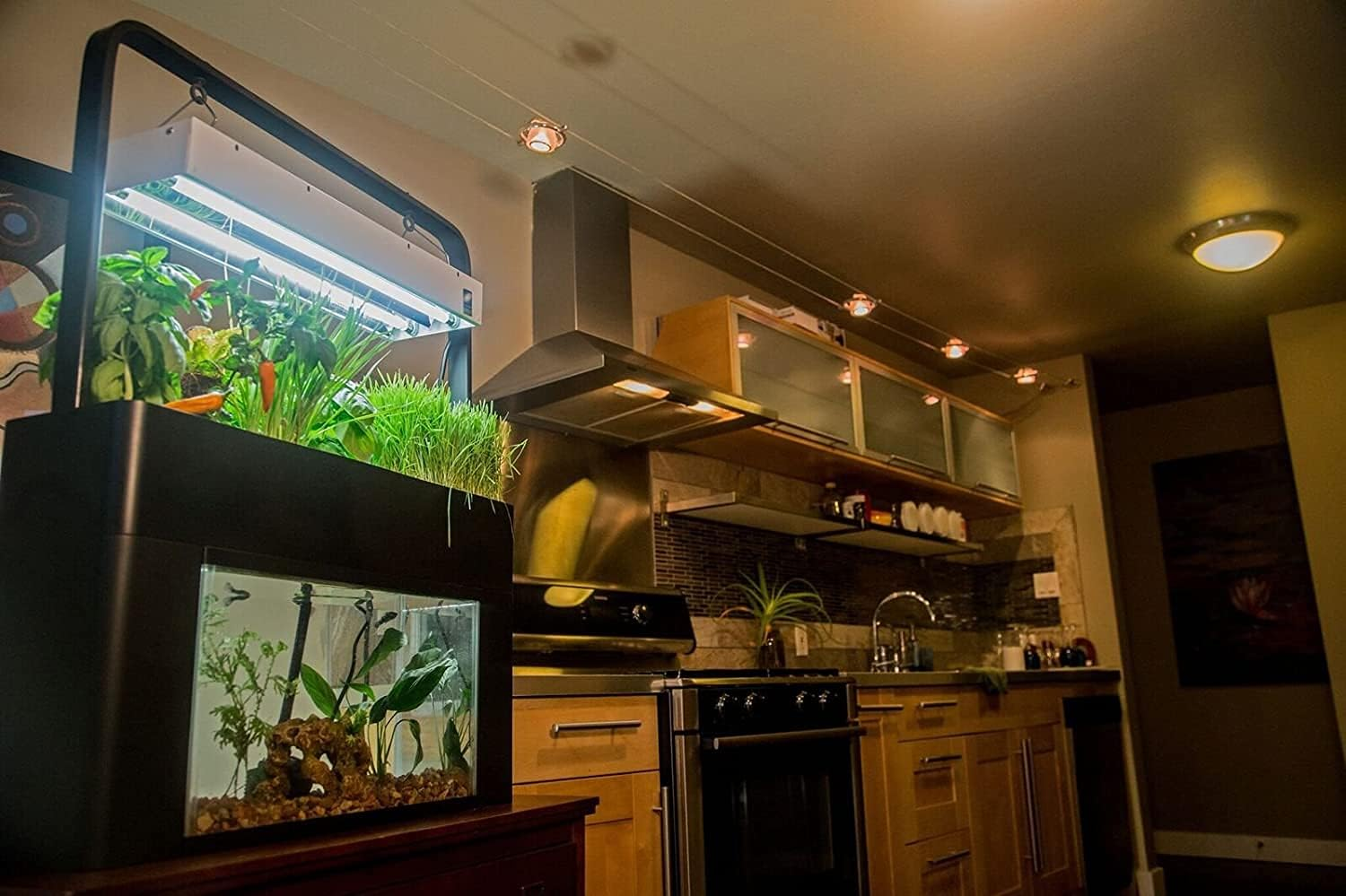
AquaSprouts Aquaponics Garden [click to view…]
Choose a system that fits harmoniously into your living space:
- Furniture-integrated designs – Coffee tables or side tables with built-in aquaponics for seamless incorporation
- Countertop systems – Compact all-in-one units perfect for kitchens or desks
- Vertical towers – Maximize growing capacity in minimal floor space
- Window-mounted options – Leverage natural light while saving interior space
Biophilic Design Elements
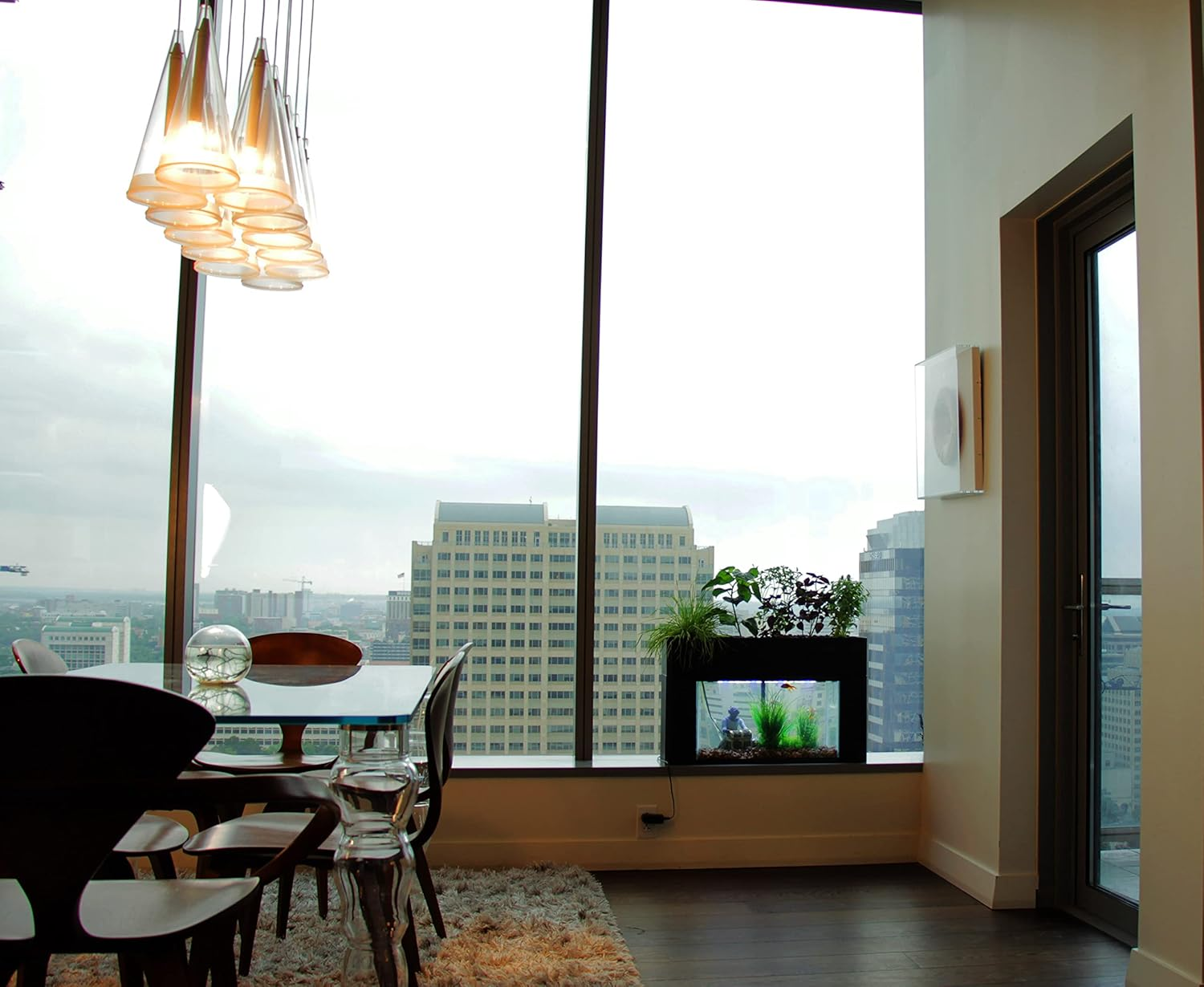
AquaSprouts Aquaponics Garden [click to view…]
Enhance therapeutic benefits through these design principles:
- Natural light – Position near windows when possible to boost plant health and human well-being
- Natural materials – Incorporate wood, stone, or bamboo elements for stands and decorative features
- Water flow design – Adjust flow rate and surface materials to create pleasing sounds
Selecting Low-Maintenance Plants and Fish
Therapeutic Plant Choices
- Focus on these low-stress, visually appealing options:
For maximum therapeutic benefit, prioritize ornamental plants and herbs over fruiting vegetables, which demand more light, nutrients, and attention.
Calming Fish Selection
Choose fish that are:
- Visually engaging with graceful movement
- Hardy and adaptable to slight water changes
- Appropriately sized for your system
Best options include:
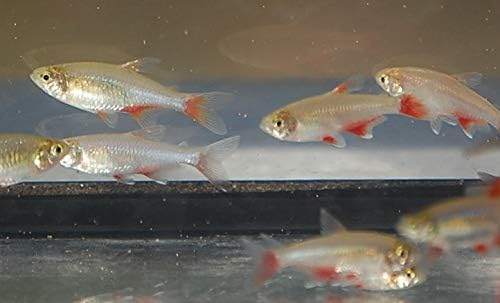
Bloodfin Tetra Pair [click to view…]
Bloodfin Tetras – Shimmering silver bodies with red fins, hardy and adaptable (keep in groups of 6+)
Danios (Zebra, Leopard) – Bright stripes, very hardy, active swimmers
Small Angelfish – Graceful swimming, majestic fins (ensure proper tank size)

Mystery Snails (3 Pack) Assorted [click to view…]
Mystery Snails or Nerite Snails – Virtually no extra care, help clean the tank
Avoid goldfish for small systems despite their popularity – they grow large and produce excessive waste.
Essential Maintenance for Stress-Free Enjoyment
Water Quality Management

Focus on these key parameters:
- pH: Maintain between 6.6-7.2 (ideally 6.6-6.8 for small systems)
- Ammonia & Nitrite: Keep at 0 ppm (toxic to fish)
- Temperature: Use an aquarium thermometer and adjust as needed for your specific fish
Once established, testing weekly is typically sufficient.
Low-Stress Pest Management
Use these natural approaches:
- Regular visual inspection for early detection
- Companion planting (marigolds repel many pests)
- Beneficial insects for pest control
- Good air circulation to deter many pests
Create a Simple Maintenance Routine
Transform maintenance from chores to meditative practice:
Daily (5-10 minutes):
- Feed fish while observing their behavior
- Check water flow and aeration
- Observe plant health
Weekly (30-60 minutes):
- Test water parameters
- Clean filters if needed
- Remove debris
- Trim plants as necessary
Use automation where possible (timers for lights and pumps) to reduce the active management required.
Lighting and Sound Considerations
Therapeutic Lighting
- Use full-spectrum LED lights with high CRI (Color Rendering Index) of 95+ to mimic natural daylight
- Position system to maximize natural light when possible
- Consider aesthetic LED strips with diffusers for visual appeal
Creating a Calming Soundscape
- Select ultra-quiet pumps (ceramic shafts and magnetic impellers)
- Design water flow for gentle trickling sounds
- Use natural stone surfaces for crisp, clear water sounds
- Adjust flow rate to create your preferred soundscape
Final Thoughts
The most therapeutic aquaponic setup combines simplicity with beauty – a media bed system with low-maintenance plants and hardy fish, integrated thoughtfully into your living space. This living ecosystem becomes more than just a hobby; it transforms into a personal sanctuary that engages your senses, provides gentle care-giving opportunities, and creates a continuous connection to nature.
By focusing on these elements, you’ll create not just a growing system but a therapeutic tool that actively contributes to your well-being through its visual beauty, calming sounds, and the satisfaction of nurturing a balanced ecosystem.
Frequently Asked Questions
Setup and Maintenance Questions
Q: How difficult is it to set up an aquaponic system for a complete beginner?
A: Media bed systems are perfect for beginners. Start with a small countertop kit (like Back to the Roots Water Garden) that comes with instructions and all necessary components. These typically take 30-60 minutes to set up. Remember that your system needs 4-6 weeks to cycle (establish beneficial bacteria) before adding fish. During this period, you’ll just monitor water parameters occasionally—a simple process using test strips or liquid test kits.
Q: How much time will I need to spend maintaining my therapeutic aquaponic garden?
A: Once established, a small indoor system typically requires only 5-10 minutes of daily attention (feeding fish, quick visual check) and about 30-60 minutes weekly for water testing and minor cleaning. Many find these brief maintenance periods actually become therapeutic rituals rather than chores. Using timers for lights and pumps further reduces the hands-on time required.
Troubleshooting Common Challenges
Q: What should I do if my plants start yellowing or fish seem lethargic?
A: These symptoms often indicate pH imbalance. Test your water parameters immediately. For yellowing plants with normal pH, iron supplementation may help. For lethargic fish, check ammonia and nitrite levels (should be zero) and ensure water temperature is appropriate for your fish species. When troubleshooting, always make one change at a time and wait 2-3 days to observe results before making additional adjustments.
Q: My system seems to attract gnats or other small insects. How can I manage this without chemicals?
A: Small flying insects are often attracted to moisture. First, ensure you’re not overwatering any parts of your system. Place sticky yellow traps near (but not touching) plants to catch flying pests. Consider introducing beneficial nematodes to the growing media. Sprinkling a thin layer of food-grade diatomaceous earth on top of your growing media can also help control pests without harming fish. Avoid chemical insecticides entirely, as they can kill beneficial bacteria and harm fish.
Cost and Space Considerations
Q: What’s the typical cost range for setting up a therapeutic indoor aquaponic system?
A: Costs vary based on size and components:
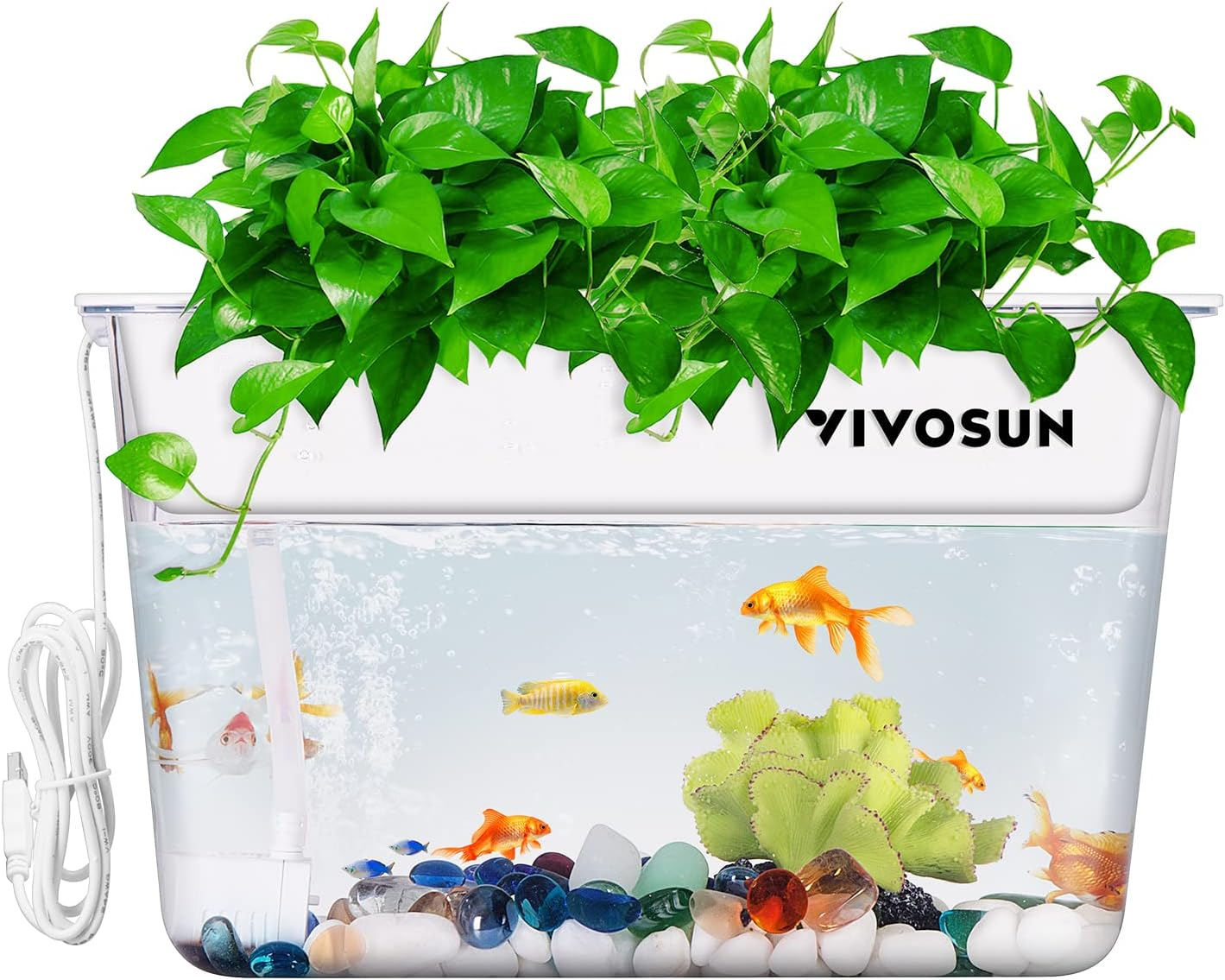
VIVOSUN 3-Gallon Aquaponic Fish Tank [click to view…]
- Small countertop kit (1-3 gallons): $70-150
- Medium desktop system (5-10 gallons): $150-300
- Furniture-integrated system: $300-600
- Custom built system: Variable depending on materials
Most beginners find a $100-200 investment sufficient for a starter system that provides significant therapeutic benefits. The ongoing costs (electricity for pump/lights, occasional pH adjustments) typically amount to less than $10/month for small systems.
Dora Decora is a biophilic interior design specialist and passionate blogger. With a deep commitment to integrating nature into living spaces, Dora specializes in creating environments that foster human-nature connections through thoughtful design elements. Her approach emphasizes sustainable materials, natural lighting, and organic patterns that enhance wellbeing and reduce environmental impact.
This post (https://homechroma.com/the-most-therapeutic-indoor-aquaponic-water-garden-setup) was originally published by Dora Decora on Home Chroma. As an Amazon Associates partner, we are compensated for all qualifying purchases.